Delhi To Implement Rs 9,585 Crore Naya Safar Yojana To Phase Out Old Trucks And Buses
On Monday, Delhi Transport Minister Pankaj Kumar Singh announced that the Delhi government has initiated the process to implement the Centre's 'Naya Safar Yojana' across Delhi-NCR.
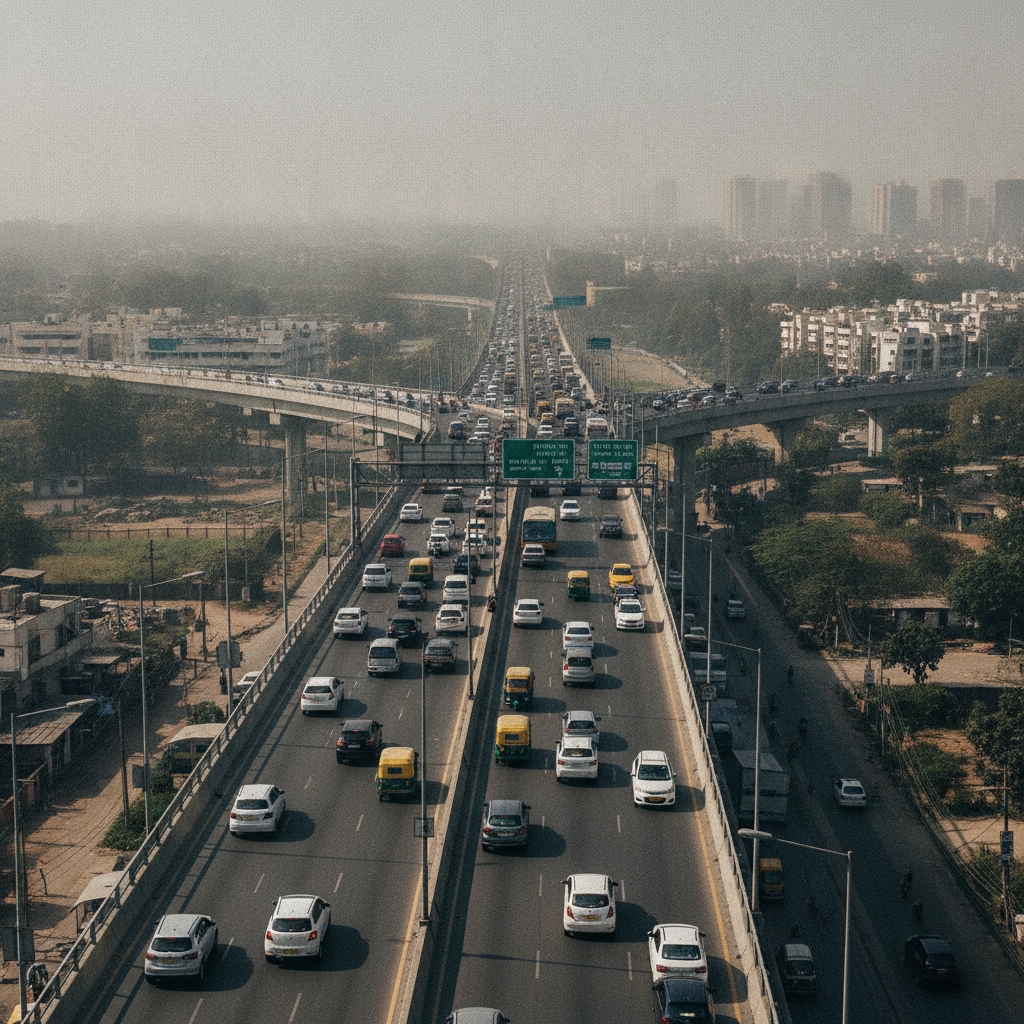
The scheme aims to curb air pollution by phasing out old, polluting trucks and buses and replacing them with electric and BS-VI compliant vehicles through tax concessions, registration fee waivers, and other financial incentives.
The initiative specifically targets owners of BS-IV and older commercial vehicles, encouraging them to voluntarily modernise their fleets. The scheme is expected to benefit approximately 2.07 lakh private truck and bus owners across the Delhi-NCR region.
Under the newly introduced scheme, the Delhi government will provide a 100 percent Motor Vehicle Tax concession for eligible new vehicles, and a 50 percent concession for eligible used vehicles for a period of 10 years. Additionally, the scheme offers discounts on vehicle registration fees, alongside waivers on pending road tax and fitness penalty liabilities.
According to the Transport Minister, these state-level benefits will complement incentives provided by the Central government. These central benefits include interest subvention, fuel vouchers, one-time electric vehicle benefits, and discounts offered by participating vehicle manufacturers.
The program also outlines specific rules for the capital. Under the special provisions for Delhi, all light goods vehicles purchased through the scheme must be electric vehicles. Furthermore, any buses acquired under the initiative must be BS-VI compliant, CNG, or electric.
The total financial outlay for the 'Naya Safar Yojana' is Rs 9,585 crore. Out of this total, the Central government is contributing Rs 5,041 crore through the National Capital Region Planning Board, which operates under the Ministry of Housing and Urban Affairs.
To facilitate the rollout, the scheme will be run through a digital platform called the Naya Safar Portal. This portal will allow for real-time eligibility verification, automated disbursal of benefits, and end-to-end monitoring. The scheme is scheduled to remain open for eligible beneficiaries for a period of two years.
Minister Singh stated that the Delhi Transport department will coordinate with the Ministry of Road Transport and Highways, among other concerned agencies, to issue notifications and formulate the Standard Operating Procedure for the scheme's smooth implementation.