Delhi Mandates Public EV Charging Stations at All Dealerships Under New Roadmap
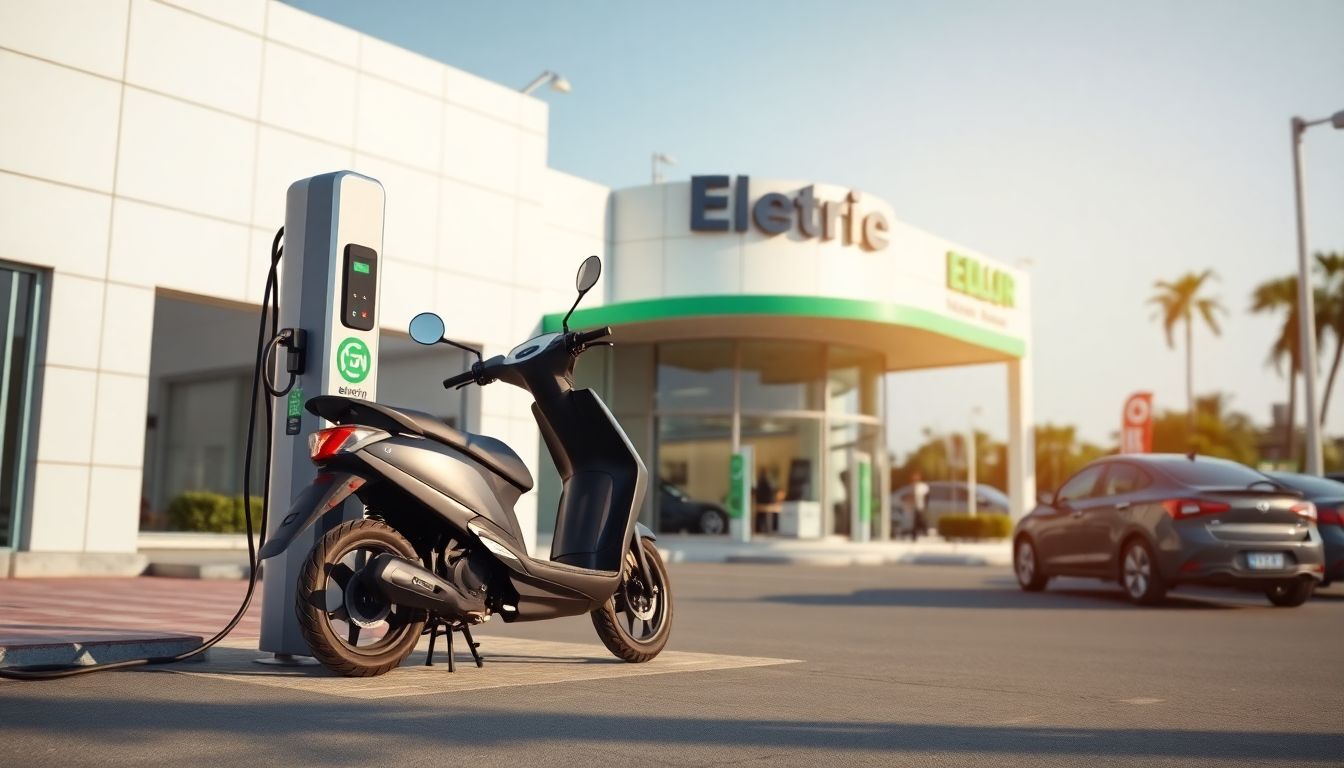
The Delhi government has unveiled a comprehensive roadmap to significantly expand the city's electric vehicle (EV) charging network across Delhi under the Delhi Electric Vehicle Policy 2026. The new plan introduces a single-window clearance system to accelerate infrastructure setup and mandates that all EV dealerships in the national capital establish public charging stations.
Under the newly announced policy, every Original Equipment Manufacturer (OEM) operating in Delhi must set up at least one public charging station at each of its dealerships. These stations are required to have a minimum of three charging points for two- and three-wheelers, alongside two charging points for four-wheelers.
To reduce procedural delays, the government will implement a single-window clearance mechanism. This system is designed to help charging point and battery-swapping operators quickly secure necessary approvals and electricity connections for public and semi-public charging stations. Developers will also be provided a dedicated digital platform for site onboarding, approvals, monitoring, and reporting.
Delhi Transco Limited (DTL) has been designated as the nodal agency to plan, coordinate, and implement the public EV charging and battery-swapping infrastructure. DTL will identify suitable locations, assess power requirements, and oversee phased deployment. It will also notify standard operating procedures covering technical standards, approval timelines, and service benchmarks.
The policy also encourages Resident Welfare Associations (RWAs), group housing societies, and private entities to install community and private charging facilities within residential premises to improve access for EV owners.
To support the expansion, the Delhi government will seek financial assistance under the central government's PM E-Drive scheme and other programmes. Additional funds will be allocated to the power department. Power distribution companies (DISCOMs) will explore using Energy Storage Systems (ESS) at electric bus depots for load management and grid reliability. DISCOMs will also examine time-of-day tariffs and differential electricity pricing through the Delhi Electricity Regulatory Commission to lower charging costs.
A high-powered committee led by the Chief Secretary will oversee the infrastructure development. This committee will include representatives from the transport, power, planning, environment, and finance departments, as well as DTL and DISCOMs.
On battery management, the Environment Department and the Delhi Pollution Control Committee (DPCC) will facilitate battery collection centres through public-private partnerships. OEMs will be required to submit periodic reports on battery traceability using unique battery identifiers and comply with Extended Producer Responsibility norms.