Delhi Implements EV Policy 2026 With New Model Approval Committee For Subsidies
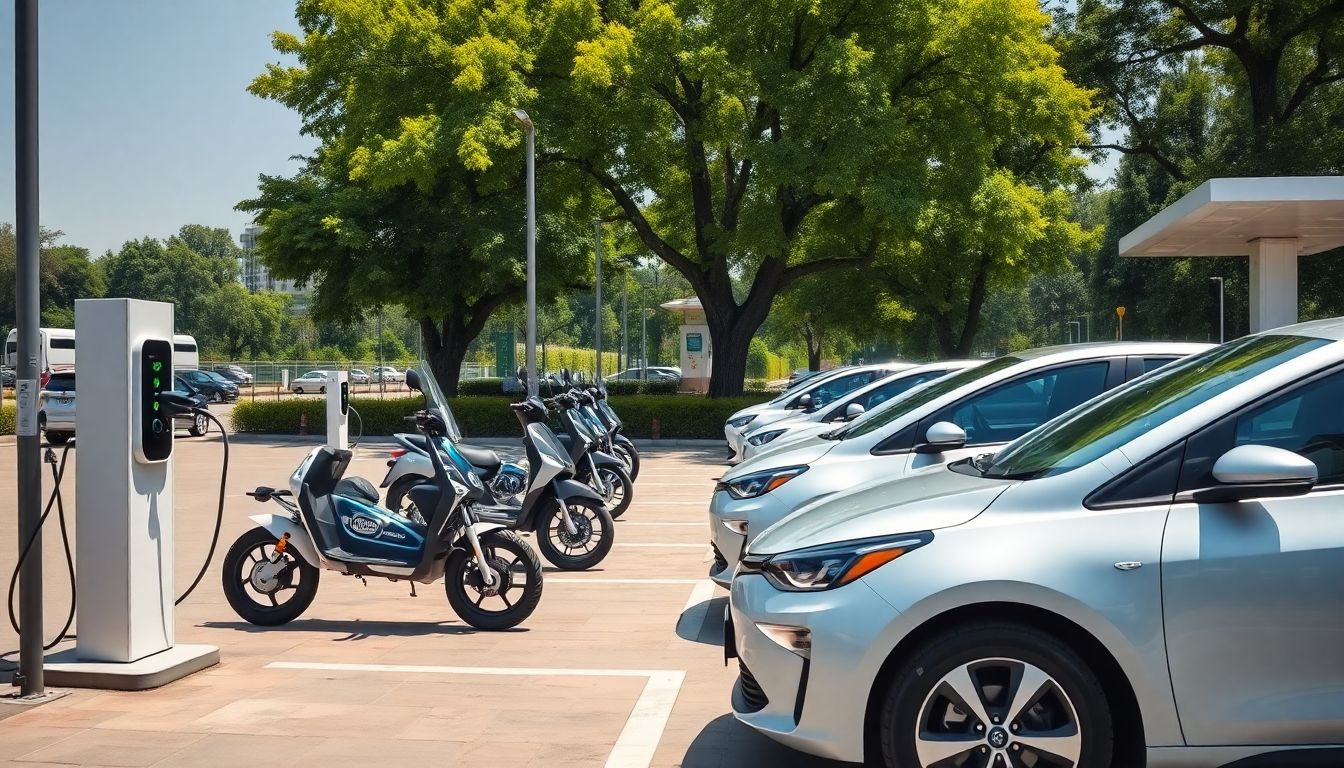
The Delhi government officially implemented the Delhi Electric Vehicle Policy, 2026, on Wednesday, July 1, 2026, introducing a mandate that only electric vehicle (EV) models approved by a newly constituted committee will qualify for state purchase and scrapping incentives.
The policy, which was notified following approval from the Cabinet, aims to drive a gradual transition toward electric mobility across Delhi. Chief Minister Rekha Gupta stated that a Model Approval Committee will be set up under the Transport Department to evaluate vehicles. This committee will determine which EV models are eligible for subsidies based on specific technical standards and eligibility criteria.
Under the guidelines of the 2026 policy, the government has set specific price caps for vehicles qualifying for financial benefits. Purchase incentives for electric two-wheelers will be restricted to models priced up to ₹2.25 lakh. For cars, scrapping incentives will only be available for models with an ex-showroom price of up to ₹30 lakh.
To receive the subsidies, buyers must submit their applications within 30 days of registering their new electric vehicle. The approved incentive amounts will be disbursed directly to the applicants via direct benefit transfer within a 60-day window.
To ensure that the subsidized vehicles remain within the city, the policy includes a strict ownership clause. Any vehicle that avails of the government incentives cannot be transferred or re-registered outside of Delhi for a period of three years.
The policy prioritizes the electrification of two-wheelers, three-wheelers, and commercial vehicles. According to the policy details, these specific vehicle categories have been targeted for transition because they contribute significantly to the pollution levels in Delhi.
Different government agencies have been assigned specific roles to support the roll-out of the policy. Delhi Transco Limited has been designated as the nodal agency responsible for setting up and managing the charging infrastructure. Meanwhile, the Delhi Pollution Control Committee (DPCC) will be responsible for overseeing battery management systems.