Delhi Government Notifies Automatic Winter Pollution Curbs and Vehicle Restrictions
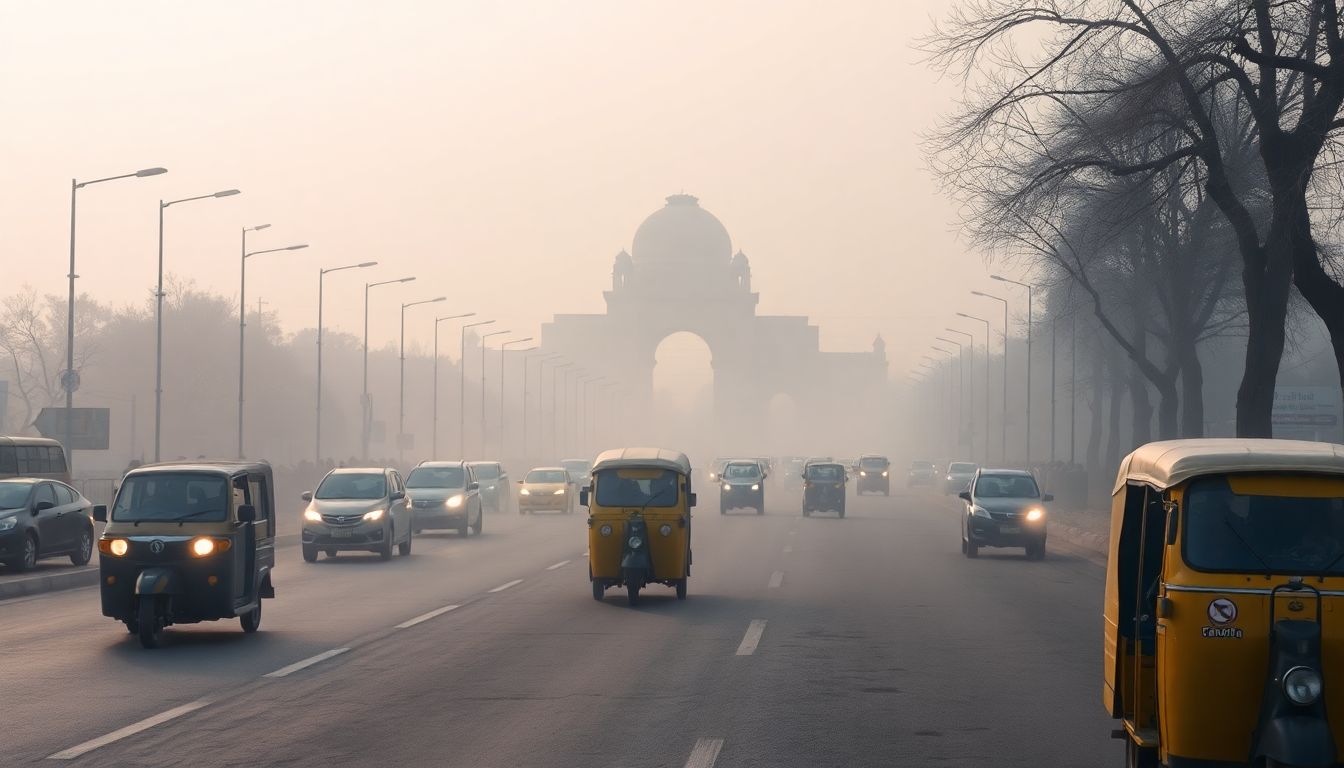
The Delhi government on Wednesday notified a permanent, automatic framework of pollution control measures to be implemented in Delhi every year during the winter months of November to February. Issued by the Department of Environment and Forest, the new system eliminates the need for fresh yearly orders, establishing a predefined mechanism to tackle the capital's annual air quality crisis.
Announcing the framework, Chief Minister Rekha Gupta stated that the notification consolidates existing orders into a single, enforceable system. This mechanism is designed to help government departments, institutions, and citizens prepare in advance for the winter spike in pollution.
According to Chief Minister Gupta, Delhi's air quality consistently deteriorates between November and February. The permanent mechanism ensures all agencies can take timely action under a predefined set of rules without waiting for separate annual orders.
Under the newly notified rules, fuel stations across Delhi are mandated to supply fuel only to vehicles with a valid Pollution Under Control (PUC) certificate throughout the year.
Additionally, from November 1 to January 31, non-Delhi registered vehicles that fall below BS-VI emission standards will be barred from entering the capital, with exceptions made only for exempted categories.
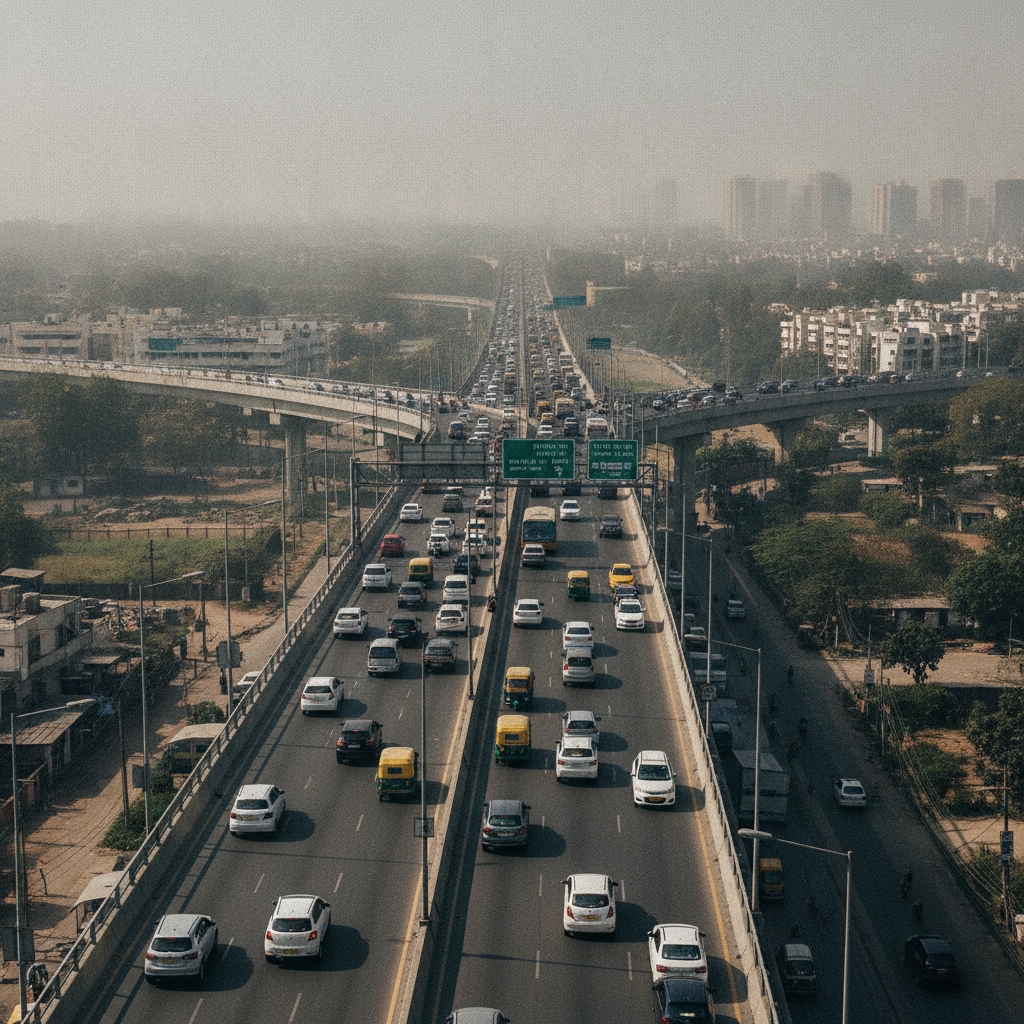
To discourage private vehicle use and reduce traffic congestion, authorized parking charges in Delhi will double during this winter period.
The framework also introduces staggered office timings for Delhi government and Municipal Corporation of Delhi (MCD) offices. Both government and private offices will be required to maintain 50% physical attendance between November 1 and January 31, with the remaining staff working from home, excluding those in essential services.
Strict regulations will target dust pollution and waste burning. Demolition work and open construction will be banned during peak winter, and large commercial buildings and construction sites must deploy anti-smog guns or mist systems.
Furthermore, residents' welfare associations (RWAs), housing societies, and institutions will be held institutionally accountable for preventing the open burning of waste and leaves. Officials stated that drone surveillance and strict enforcement under environmental laws will be used to ensure compliance with the new annual framework.