BJP to head 30 Delhi Assembly committees for the 2026-27 legislative year
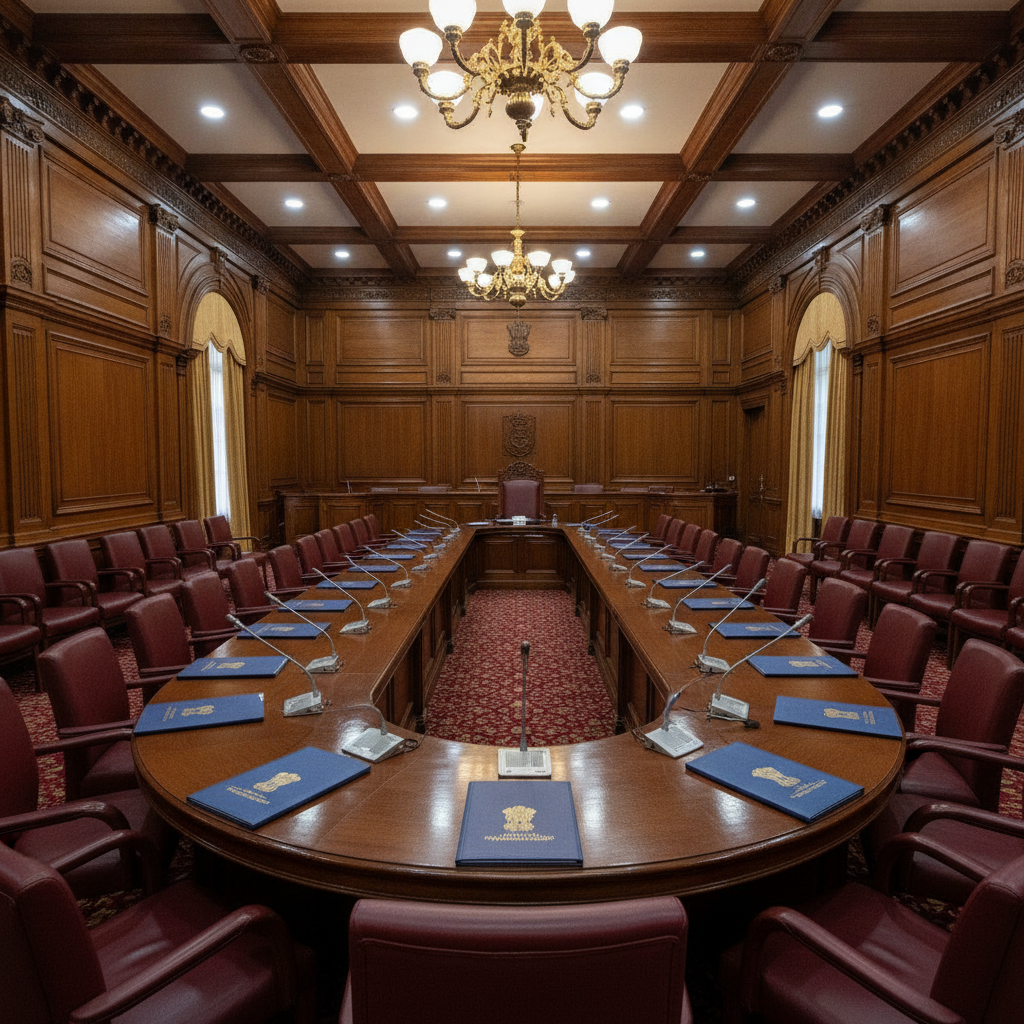
The Delhi Assembly has constituted 32 House committees for the legislative year 2026–27, with the ruling Bharatiya Janata Party (BJP) set to head 30 of the panels, including one chaired by the MLA from Rajinder Nagar. The newly formed committees, announced in June 2026, are designed to oversee legislative proceedings and public welfare issues in the National Capital Territory.
Under the new appointments, the opposition Aam Aadmi Party (AAP) will chair only two of the 32 committees. AAP legislators Gopal Rai and Pravesh Ratn have been selected to lead these panels. Rai will chair the committee on papers laid on the table, while Ratn will head the committee on delegated legislation. The remaining 30 panels will be led by BJP legislators.
The current 70-member Delhi Assembly comprises 48 BJP legislators and 22 AAP legislators. The Assembly Secretariat noted that both BJP and AAP MLAs have been accorded proportional representation across the 32 committees.
Key leadership positions within the panels have been distributed among senior Assembly members. Speaker Vijender Gupta will personally chair five separate House committees. These include the business advisory committee, the private members’ bills and resolutions committee, the rules committee, the general purposes committee, and the library committee.
Deputy Speaker Mohan Singh Bisht is designated to head three panels. His portfolio of committees includes government assurances, questions and references, and the committee on peace and harmony.
The youngest member of the House, 32-year-old BJP MLA Umang Bajaj, who represents the Rajinder Nagar constituency, has been appointed to chair the department-related standing committee on education. This specific panel is tasked with overseeing education, training, art, culture, and sports.
Furthermore, the committee of privileges will be chaired by BJP MLA Parduym.
According to the Assembly Secretariat, the constitution of these panels is a significant step toward strengthening the legislative process. The Secretariat stated that the committees will ensure rigorous oversight and structured deliberations on issues concerning public welfare, reinforcing democratic accountability through the collective experience and expertise of the appointed members.