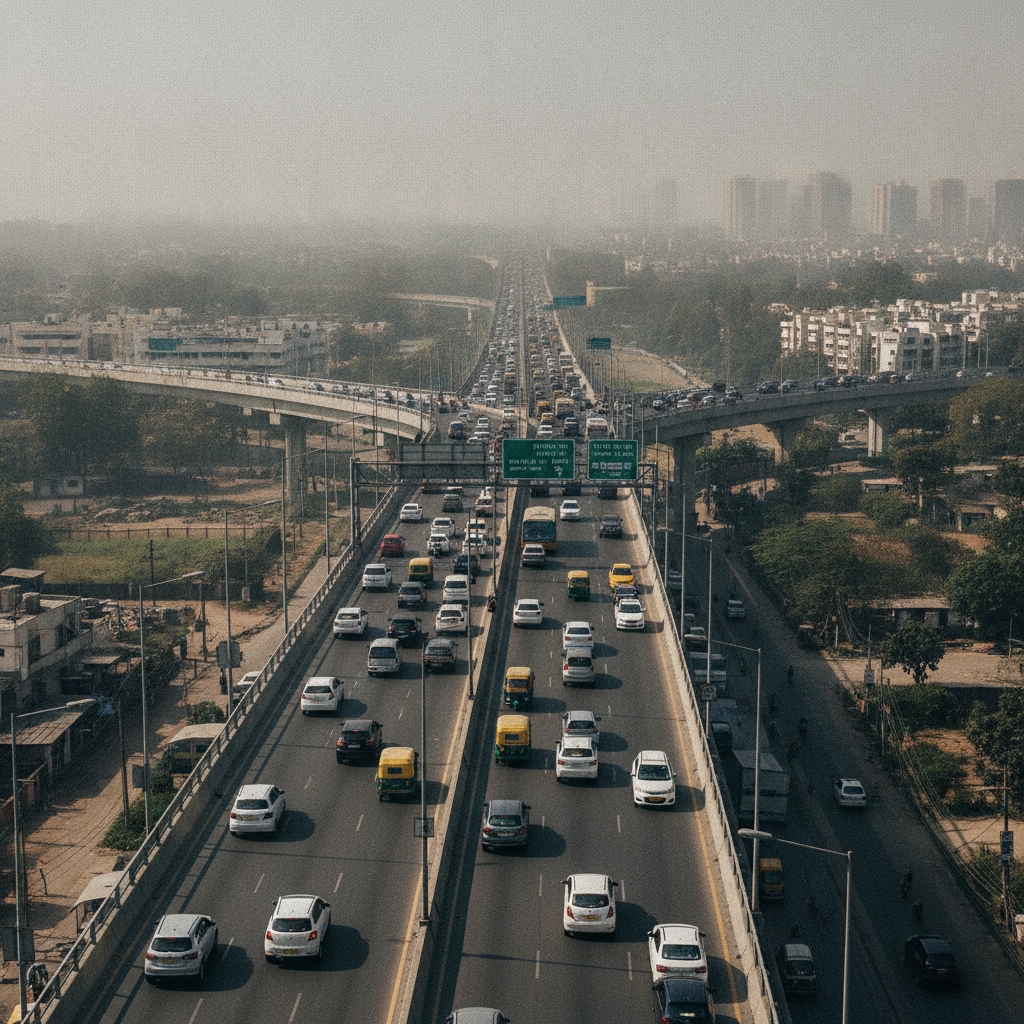
DPCC Report Shows Yamuna River Pollution Remains Alarmingly High in Delhi
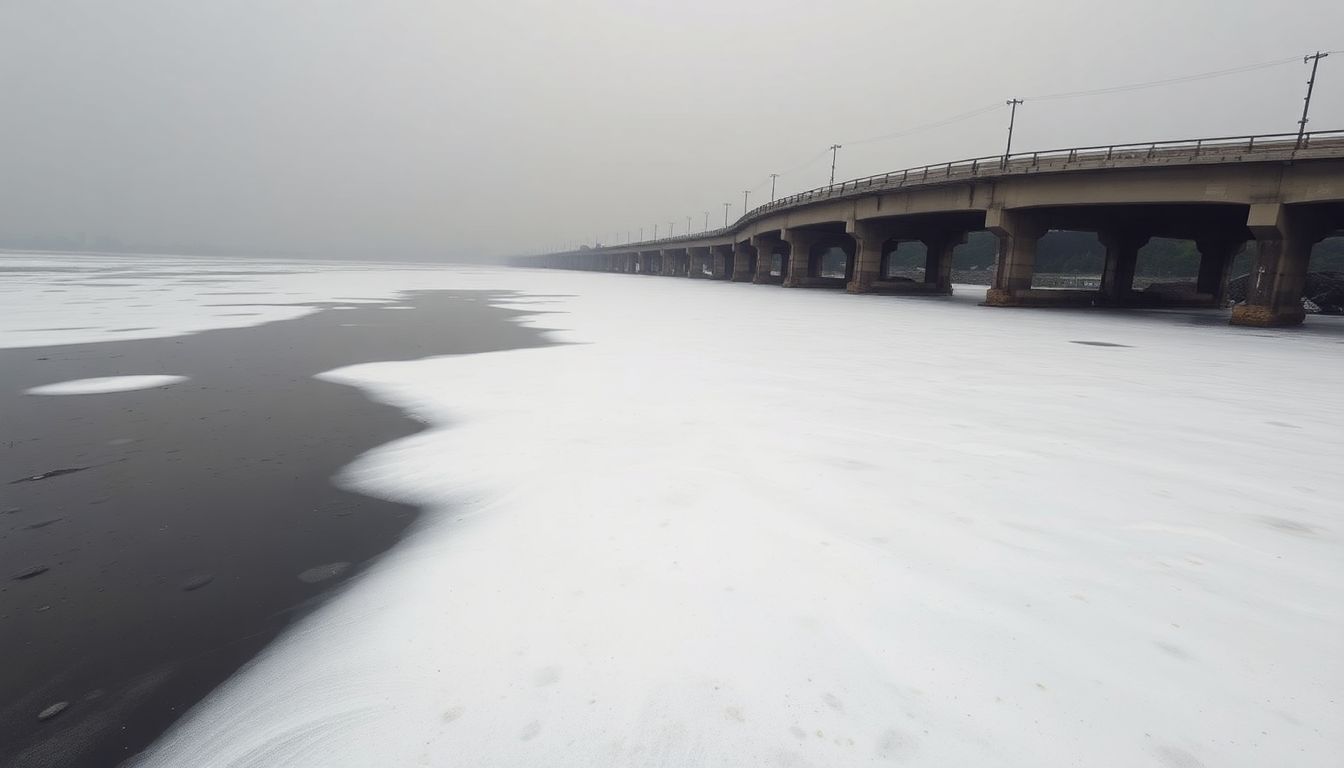
A monitoring report by the Delhi Pollution Control Committee (DPCC) has revealed that pollution levels in the Yamuna River remain alarmingly high, with dissolved oxygen levels hitting zero at key locations including the ISBT Bridge, ITO Bridge, Nizamuddin Bridge, Okhla Barrage, and Asgarpur. Although water quality samples collected on May 5 showed marginal improvements at some points compared to April, severe sewage contamination continues to plague the river as it flows through Delhi.
According to the DPCC report, fecal coliform levels—which indicate the presence of sewage—remain far above the safe standard of 2,500 MPN/100 ml (most probable number per 100 ml). At the ISBT Bridge, fecal coliform levels dipped from 1,70,000 MPN/100 ml in April to 1,30,000 MPN/100 ml in May. Other locations, such as Wazirabad, the ITO Bridge, and the Nizamuddin Bridge, also recorded marginal reductions in these bacterial levels.
In contrast, Asgarpur, which is the point where the Yamuna exits Delhi, recorded a rise in pollution. Fecal coliform levels at Asgarpur increased from 3,10,000 MPN/100 ml in April to 3,30,000 MPN/100 ml in May. This represents the highest level of fecal coliform recorded among the tested sites, highlighting the accumulation of sewage and other pollutants along the river’s course through the city.
The report also highlighted a critical lack of dissolved oxygen in the river. Dissolved oxygen levels remained at zero at the ISBT Bridge, ITO Bridge, Nizamuddin Bridge, Okhla Barrage, and Asgarpur. This complete absence of oxygen indicates that the river is unable to support aquatic life in these heavily contaminated stretches.
To track water quality, the DPCC analyses water samples collected from eight different locations of the Yamuna River every month. The latest monitoring report, which was officially shared on Thursday, is based on the specific water samples collected by officials on May 5. These findings underscore the persistent environmental challenges facing the river despite minor fluctuations in bacterial contamination at specific monitoring stations.