Delhi Police arrest 584 in 48-hour Operation Kavach crackdown
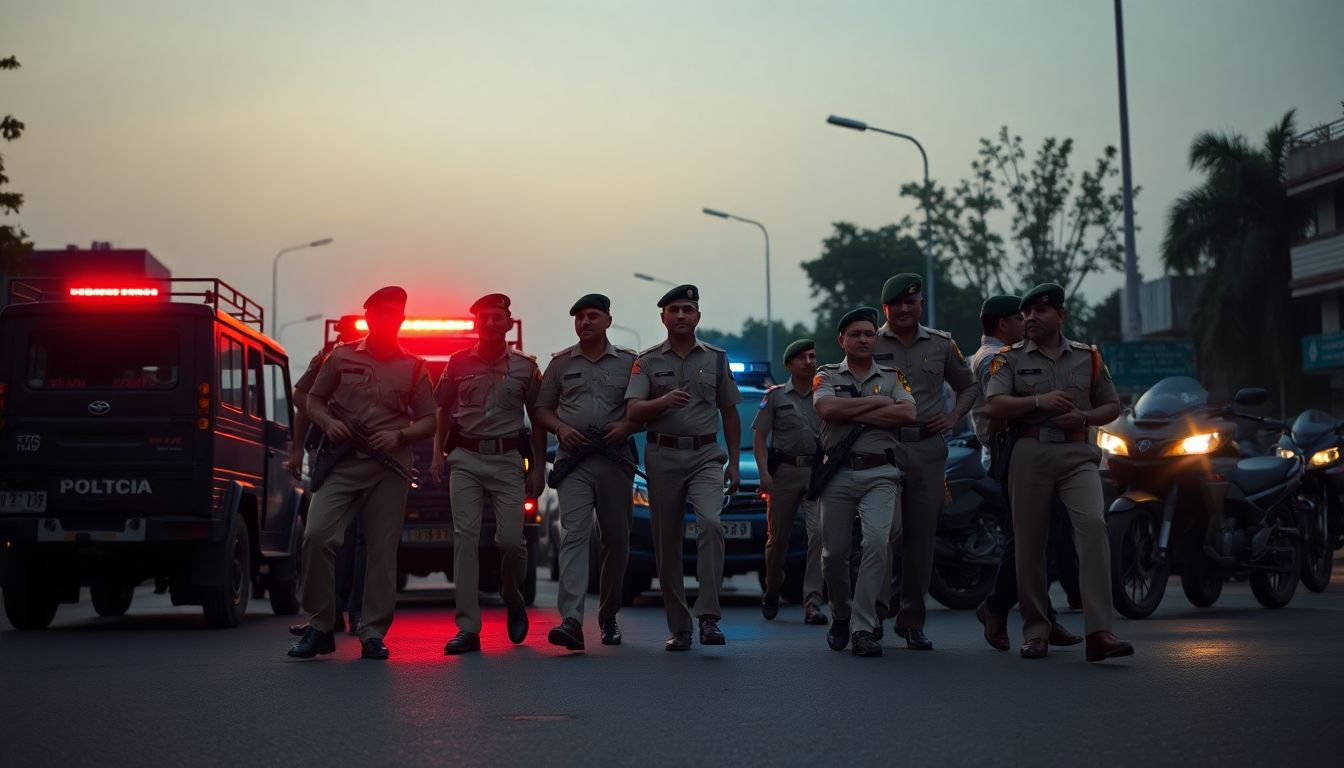
The Delhi Police arrested 255 drug traffickers and 329 arms-act violators during a massive 48-hour crackdown across the capital between June 22 and June 24. According to police officials, the intense pressure from these regular raids has forced major drug syndicates to shift their tactics, establishing temporary storage facilities and supply hubs outside Delhi's limits in adjacent areas like Noida.
The 14th edition of 'Operation Kavach' was monitored by Delhi Police Commissioner Satish Golchha. Over the two-day period, 1,474 police teams, including more than 900 local police teams operating under Special CPs Neeraj Thakur and Devesh Srivastva, raided 4,035 locations and targeted 208 crime hotspots.
The operation resulted in the registration of 212 drug-related FIRs and 315 cases under the Arms Act. In addition to the primary arrests, the police took 2,344 people into preventive custody to deter them from committing offences, while 60,806 others were detained under the Delhi Police Act.
Officers seized a massive haul of contraband during the sweep, including 1 kg of heroin, 237 kg of ganja, 159 grams of cocaine, 101 grams of MDMA, and 186 grams of methamphetamine. They also recovered 2,640 buprenorphine tablets, 287 pheniramine maleate injections, and Rs 23 lakh in cash.
The arms sweep yielded six pistols, 90 countrymade firearms, 147 live cartridges, and 242 knives. The crackdown also led to the arrest of 55 auto-lifters and 49 proclaimed offenders, while 4,708 vehicles were seized under the Delhi Police Act.
Special CP (Crime) HGS Dhaliwal stated that ground-level intelligence indicates these surprise raids have unsettled street peddlers and bootleggers, causing major traffickers to go underground. To avoid the high risk of moving massive shipments directly into Delhi, syndicates are now breaking down contraband into smaller quantities to transport them via private cars, light motor vehicles, and trains.