Delhi High Court Questions Centre Over 97 Percent Wildlife Panel Approvals
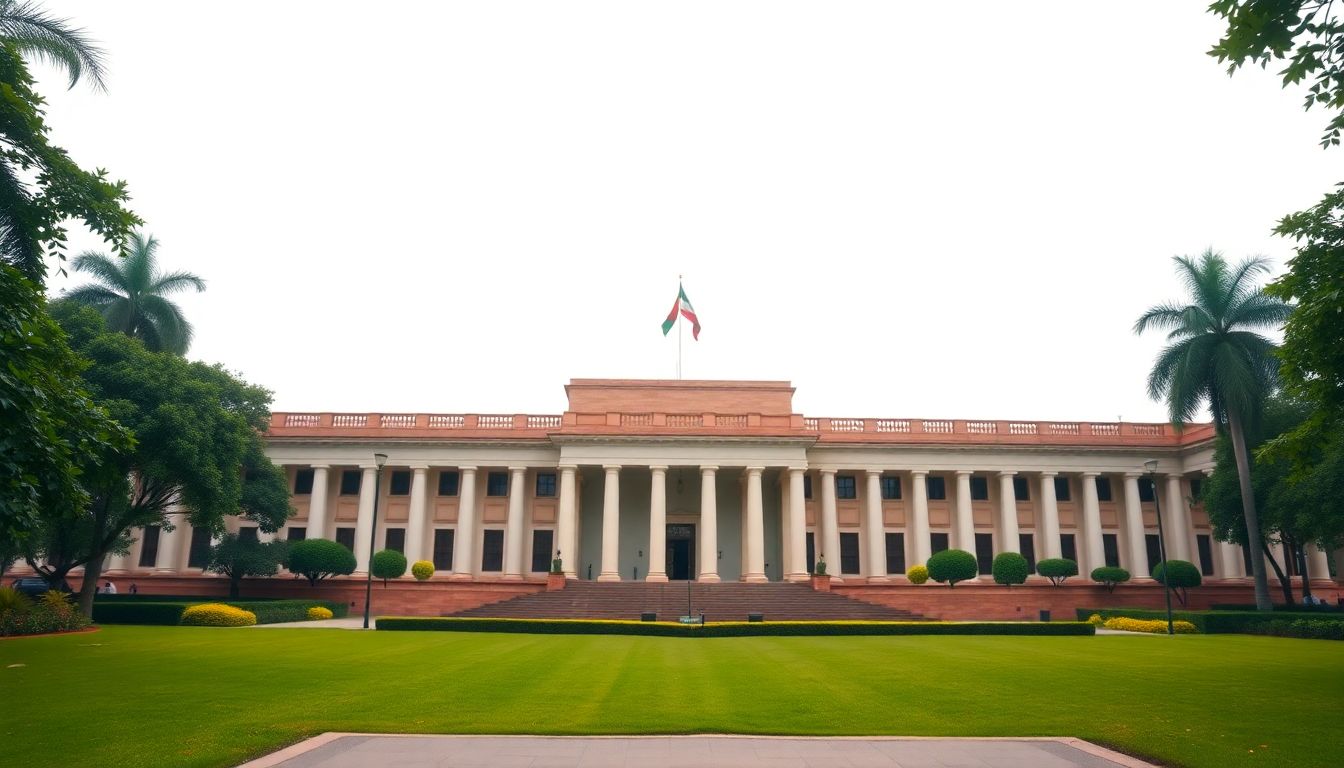
On Wednesday, the Delhi High Court in New Delhi pulled up the Central Government for treating autonomous statutory bodies as extensions of the government's arm. A division bench of Chief Justice DK Upadhyaya and Justice Tejas Karia was hearing a public interest litigation (PIL) challenging the constitution and high project-approval rate of the Standing Committee of the National Board of Wildlife (SC-NBWL). The court has directed the government to file its response within four weeks.
The PIL was filed by 10 petitioners, including retired Indian Forest Service and IAS officers, wildlife conservationists, and a non-governmental conservation organisation. The petition alleges that the SC-NBWL has been recklessly permitting proposals for the diversion of Protected Areas. According to the petitioners, more than 97 percent of the project proposals considered by the committee between 2014 and 2026 received clearance.
During the hearing, Chief Justice Upadhyaya questioned the government's counsel regarding the composition of the board, noting that the board is distinct and separate from the government and cannot act as a government department. He remarked that there is a tendency by the government to treat every statutory body as an extension of its own arm, adding that the government cannot usurp every power.
The petitioners argued that the statutory requirements for constituting the committee have not been complied with since the central government changed in 2014. They stated that Prime Minister Narendra Modi serves as the ex-officio chair of the National Board of Wildlife (NBWL) and chaired his first-ever meeting of the board in March this year, more than 10 years after assuming office.
The petition highlighted that the reconstituted SC-NBWL considered 52 proposals during its very first meeting on March 21 this year and cleared 28 of them. Furthermore, the standing committee recommended 187 proposals for establishing mobile towers in Protected Areas during 12 meetings held between 2024 and 2026. The petitioners alleged that the committee has prioritised economic benefits over long-term environmental impacts, departing from its statutory mandate to promote wildlife conservation.