Delhi High Court Dismisses Man's Rs 1.43 Crore Plea Over Scrapped Motorcycle
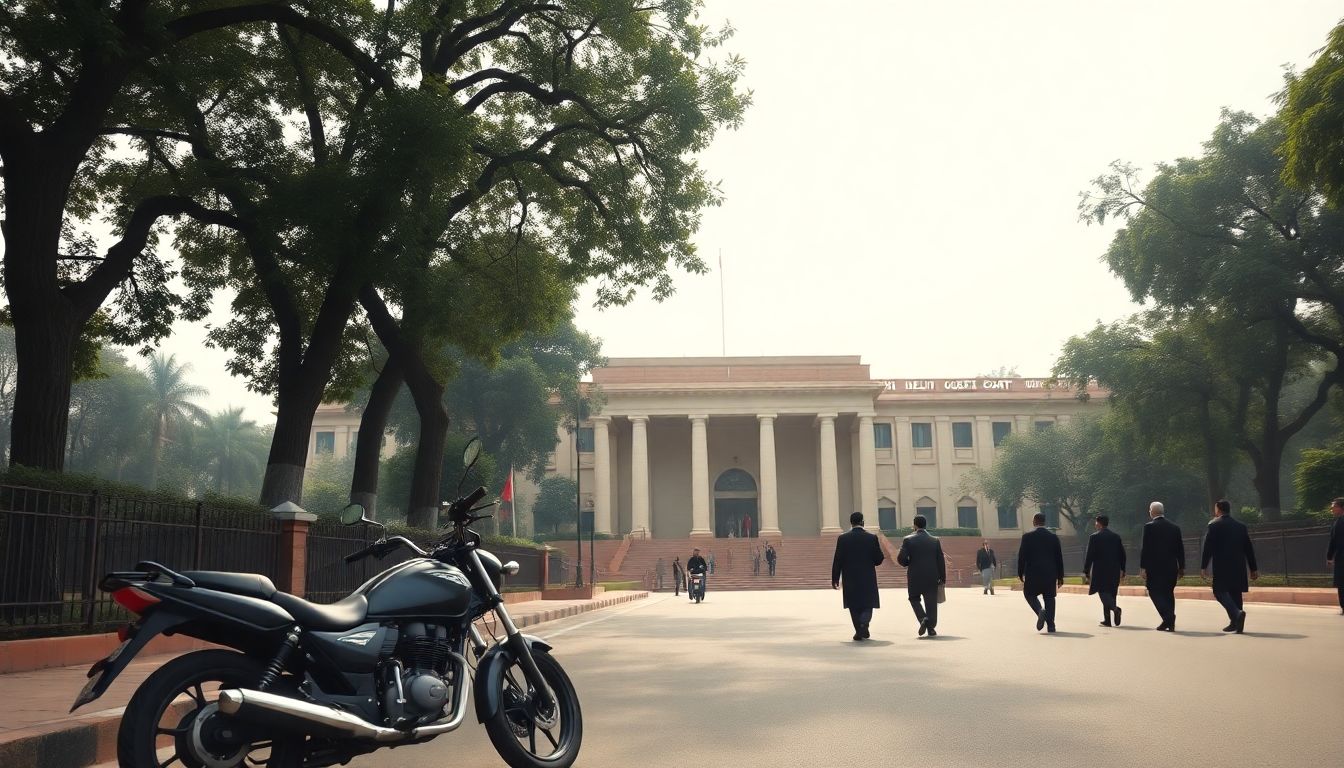
The Delhi High Court has rejected a man's plea seeking Rs 1.43 crore in compensation from the city administration over the alleged unjust seizure and scrapping of his 18-year-old end-of-life motorcycle.
A division bench comprising Chief Justice D K Upadhyaya and Justice Tejas Karia dismissed the vehicle owner's appeal challenging a single judge's decision that declined to grant him relief and asked him to approach a civil court instead.
Transport authorities had seized the 18-year-old motorcycle from a public road in December 2024 on the grounds that it qualified as an end-of-life vehicle, subsequently sending it for scrapping. The appellant claimed the vehicle was parked outside his residence, had remained unused for the past four years, and was not contributing to pollution.
The appellant argued that the motorcycle was destroyed without due notice, alleging a violation of Article 300A of the Constitution, which protects against deprivation of property save by authority of law. Seeking Rs 1.43 crore in damages, he cited mental agony, prolonged effort, and harassment resulting from the seizure and destruction of what he described as a well-maintained, high-value antique possession with sentimental value, alongside claims of defamation.
In response, authorities maintained that the two-wheeler was scrapped strictly under the Registration and Functions of Vehicle Scrapping Facility Rules, 2021, after the owner failed to submit the required undertaking within the stipulated three-week window.
In its judgment delivered on August 24, the division bench noted that the seizure and scrapping of end-of-life vehicles is regulated by the RVSF Rules, which mandate that such vehicles plying or parked in public spaces be impounded and transferred to registered scrapping facilities. The court highlighted that a specific mechanism exists for owners to apply for the release of their vehicles within three weeks of seizure, but found no evidence that the appellant had utilized this process.
The bench stated that the matter involved disputed questions of fact requiring evidence to establish whether compensation was warranted, noting that writ jurisdiction was not the appropriate avenue to resolve whether authorities acted in conformity with the statutory framework or if the seizure was lawful.
Concluding that such factual determinations could not be undertaken under writ jurisdiction, the high court dismissed the appeal.