Delhi Unveils Winter Action Plan 2026-27 With Fuel and Vehicle Entry Bans
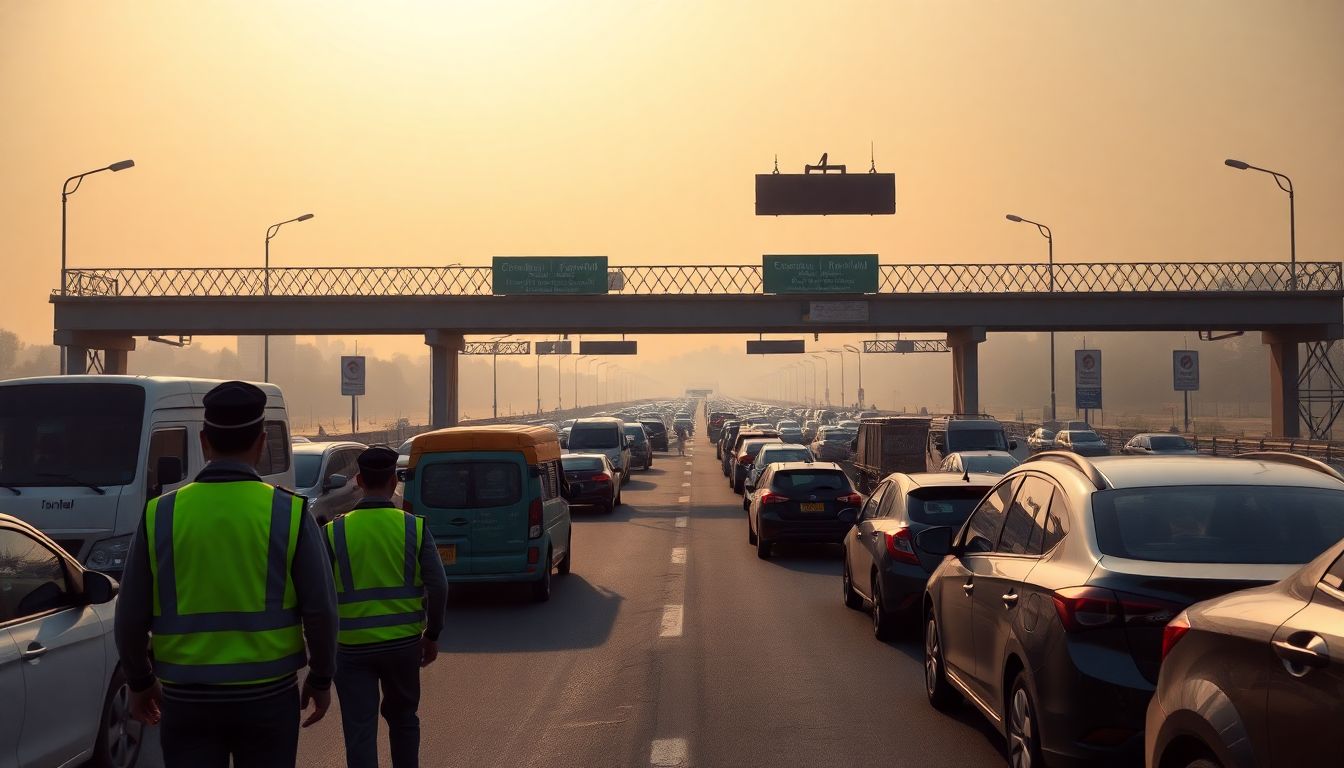
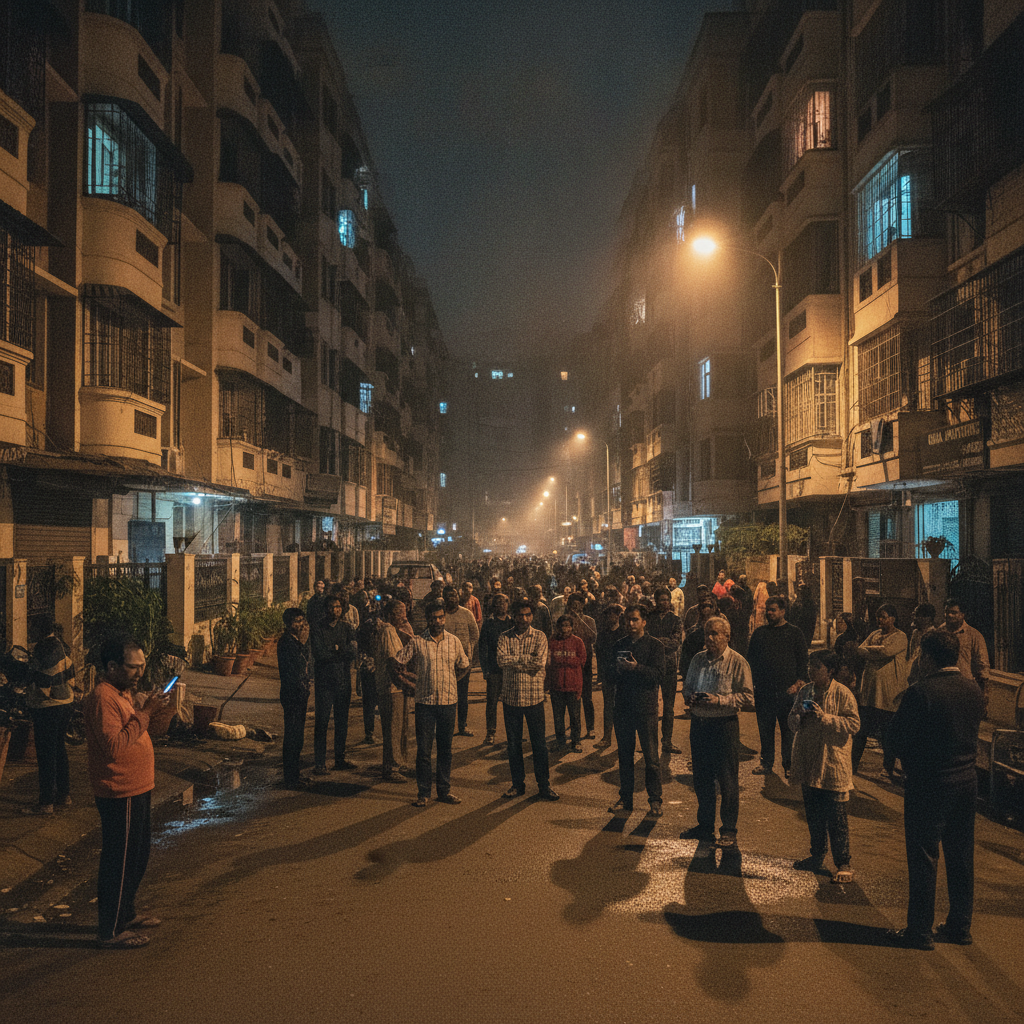
The Delhi government, in collaboration with the Central government, has unveiled its Winter Action Plan 2026-27 across Delhi and the National Capital Region to tackle seasonal air pollution. The plan establishes multi-agency coordination among the Commission for Air Quality Management, Central Pollution Control Board, Delhi Metro Rail Corporation, Delhi Police, and municipal bodies.
Key traffic and fuel restrictions will take effect over the coming months. Starting October 1, authorities will enforce a "No PUCC, No Fuel" rule across 500 fuel stations equipped with Automatic Number Plate Recognition systems. From November 1, out-of-state petrol and diesel vehicles below BS-VI emission standards will face an entry ban into the capital.
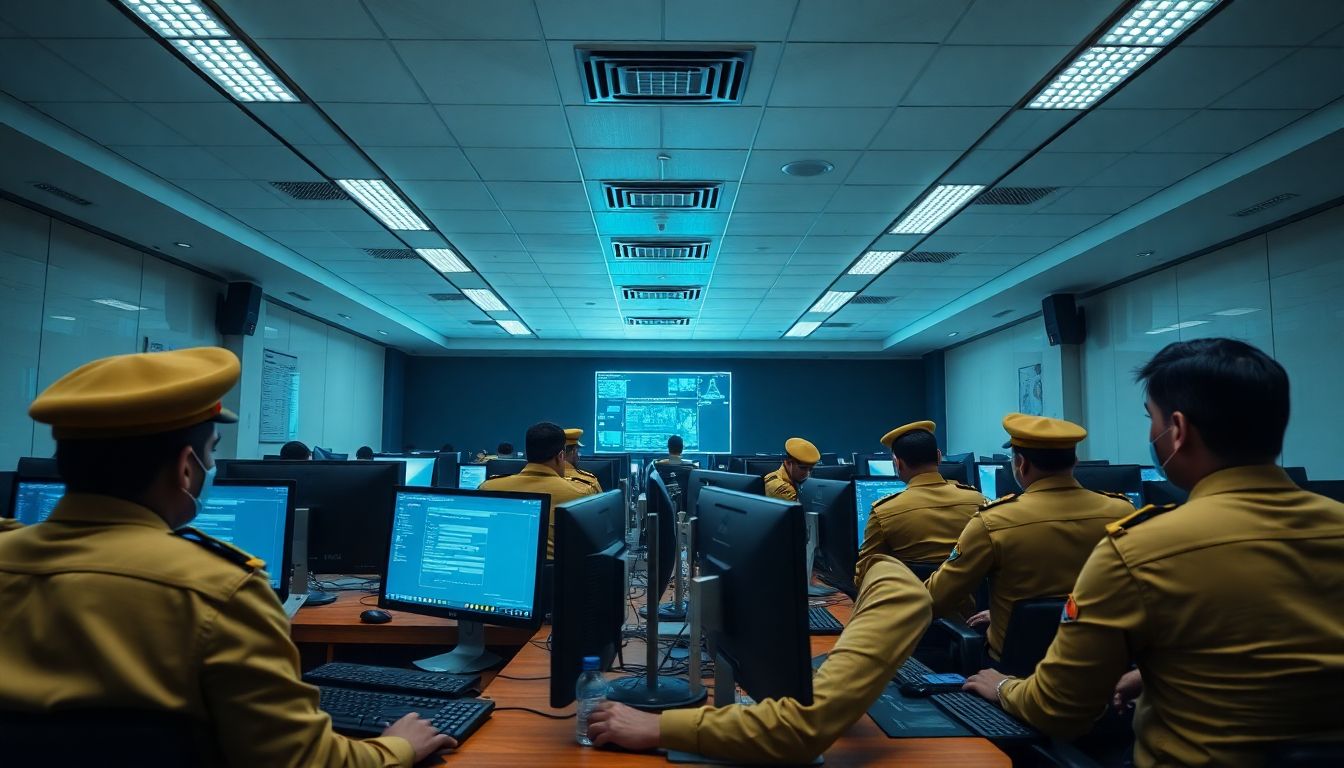
Construction and industrial operations will also face phased curbs. Demolition and outdoor civil works will be banned from November 1 to January 31, followed by a complete construction and demolition ban from December 10 to January 20, with sites mandated to maintain 100 per cent CCTV coverage. Additional measures include sealing polluting industrial units, weekly inspections at pollution hotspots, mechanised road sweeping, water sprinkling, and real-time oversight via an AI Command Centre.
To limit public exposure and traffic congestion, the framework recommends that offices implement 50 per cent work-from-home arrangements or two remote days per week, alongside staggered office hours for government and municipal corporation staff. The plan also doubles parking fees and outlines targets to scale up ridership on the Delhi Metro network.
Environmental experts and activists have criticised the plan, calling it a recurring seasonal reaction that repeats earlier policies without securing ground-level compliance. Environmentalist Bhavreen Kandhari noted that most steps mirror existing provisions under the Graded Response Action Plan, stressing that emissions accumulate throughout the year rather than starting in winter and that agencies need clear accountability and enforcement.
Manoj Kumar, an analyst at the Centre for Research on Energy and Clean Air, raised concerns regarding the scientific focus of the strategy. Kumar stated that many curbs target PM 10 and dust rather than PM 2.5, which remains the dominant winter pollutant and largely forms from unaddressed vehicle and industrial gases, urging authorities to shift toward year-round source reductions.