Delhi Court Convicts Sukesh Chandrasekhar for Impersonating Supreme Court Judge
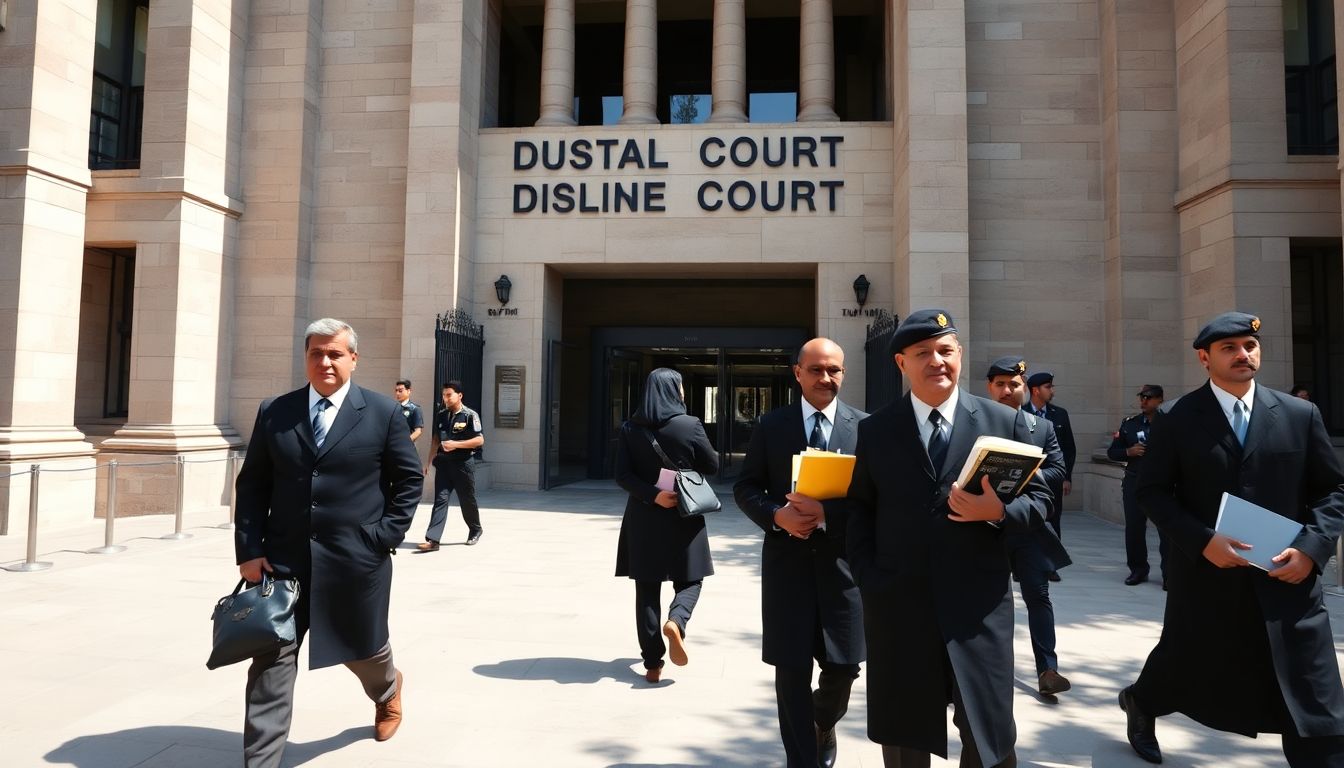
A Delhi court has convicted Sukesh Chandrasekhar for impersonating a sitting Supreme Court judge in an attempt to influence a special judge into granting him bail in a 2017 corruption case.
Chief Judicial Magistrate Harshita Mishra held Chandrasekhar guilty under Indian Penal Code Sections 170 (personating a public servant), 189 (threat of injury to a public servant), and 507 (criminal intimidation by an anonymous communication). The court scheduled arguments on the quantum of sentence for August 27.
In an order dated August 20, the court described Chandrasekhar's conduct as a direct affront to the independence and sanctity of the judicial process. The court observed that the majesty of law does not reside in the voice of an individual over a telephone, but in the integrity of the judicial process itself.
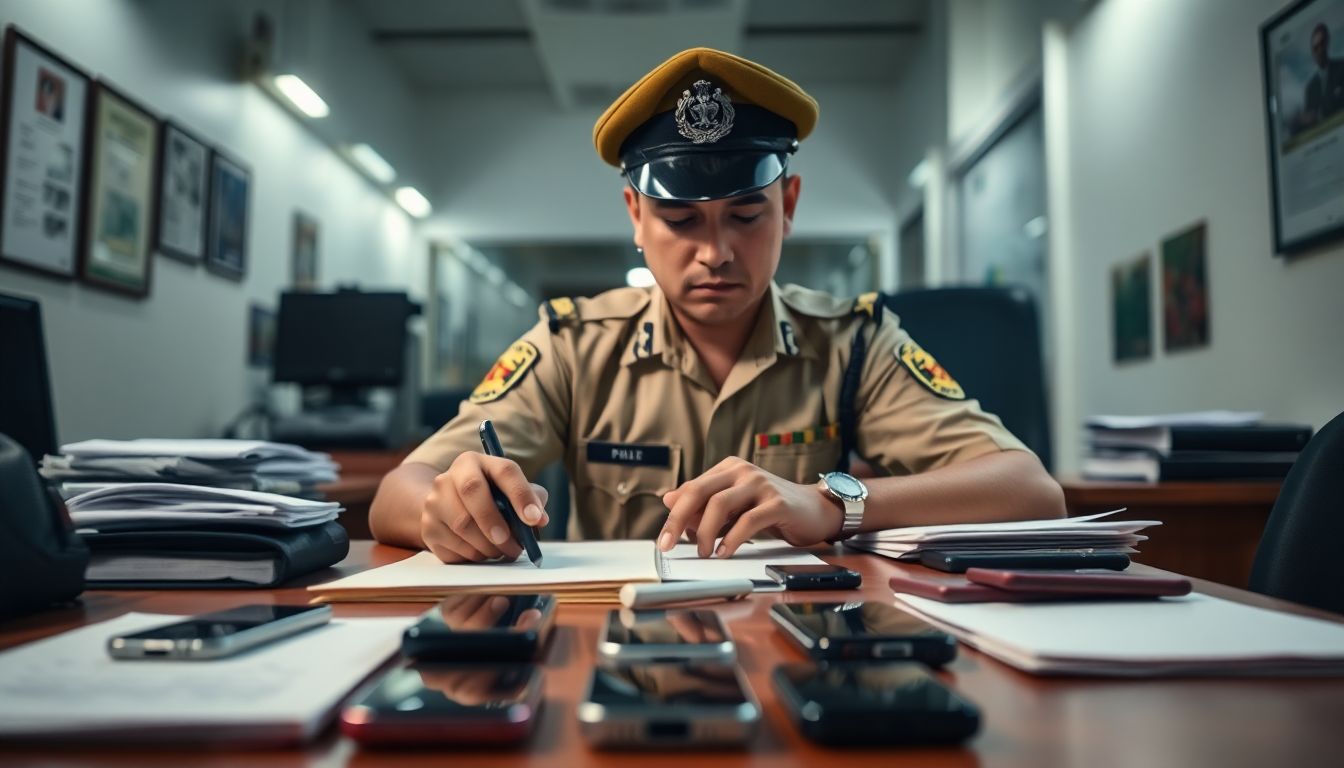
The case stems from a phone call made on April 28, 2017, while Chandrasekhar was in police custody in connection with the corruption matter. According to the prosecution, Chandrasekhar gained access to the mobile phone of police constable Manjeet and placed calls to the official landline and mobile phone of Poonam Chaudhary, who was then the special judge handling Prevention of Corruption Act cases.
During the calls, Chandrasekhar initially claimed to be the private secretary to a then sitting Supreme Court judge before impersonating the judge himself. He attempted to persuade Chaudhary to grant him bail promptly and threatened her with adverse professional consequences if she did not comply.
The court stated that the prosecution proved beyond reasonable doubt that Chandrasekhar deliberately assumed the identity of a Supreme Court judge to interfere with the administration of justice. The judge noted that the impersonation was used as an instrument to procure a favourable judicial outcome.
The court observed that the case was qualitatively different from ordinary cheating, as the accused sought to undermine judicial independence by invoking the authority of the country's highest court to influence another judicial officer.
In addition to the conviction, the court directed the Delhi Police to re-examine the role of constable Manjeet. The inquiry will look into how Chandrasekhar accessed the mobile phone, whether the device was locked, who had knowledge of the password, and why the use of the phone was not reported promptly.