NIA Challenges Patiala House Court Bail for Khurram Parvez and Irfan Mehraj
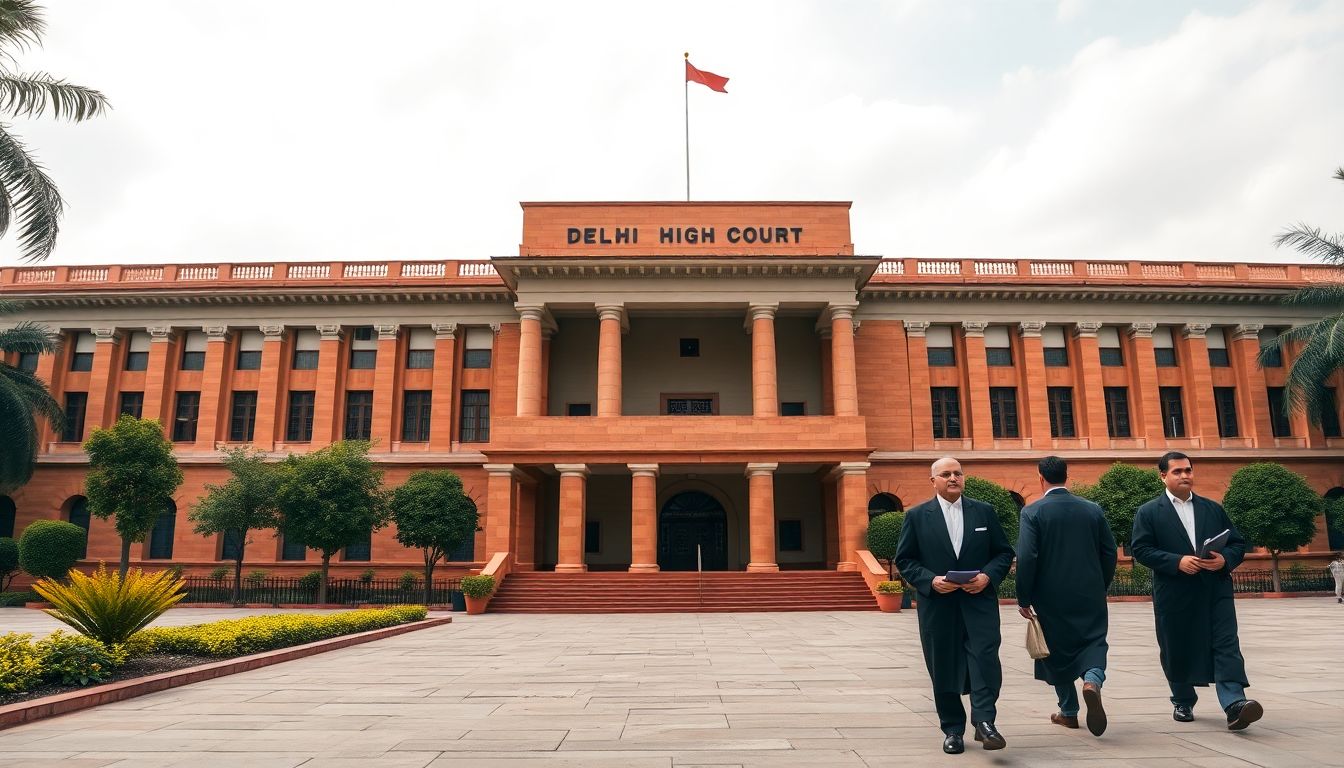
The National Investigation Agency (NIA) on Sunday, July 19, 2026, moved the Delhi High Court to challenge a trial court's order granting bail to human rights activist Khurram Parvez and Kashmiri journalist Irfan Mehraj. The appeal came just a day after the Patiala House Court in New Delhi granted bail to both individuals in an alleged NGO terror-funding case registered under the Unlawful Activities (Prevention) Act (UAPA).
Senior counsel Madhav Khurana, representing the NIA, mentioned the appeal before a Division Bench of the Delhi High Court comprising Chief Justice Devendra Kumar Upadhyaya and Justice Tejas Karia. Khurana requested an urgent hearing on the grounds that the matter required immediate consideration.
Although counsel representing the accused opposed the request for an urgent listing and asked for the matter to be heard on Tuesday, July 21, 2026, the Division Bench decided to hear the NIA's appeal immediately on Sunday.
On Saturday, July 18, 2026, Principal District and Sessions Judge Pitamber Dutt of the Patiala House Court had granted bail to Parvez and Mehraj. This trial court order paved the way for Parvez's release from custody, as he had already secured bail from the Delhi High Court in a separate UAPA case.
The NIA initially registered the case in October 2020. The agency alleged that various non-governmental organisations (NGOs), trusts, and societies operating in Jammu and Kashmir were raising and diverting funds to finance terror-related activities.
According to the NIA, Mehraj worked as a researcher with the Jammu Kashmir Coalition of Civil Society (JKCCS) until March 2022, while Parvez served as the coordinator of the organisation. The agency further accused Parvez of providing material support to protesters during the 2016 unrest in Kashmir.
The NIA claimed that several registered and unregistered NGOs collected funds both within India and abroad under the pretext of conducting charitable and welfare activities, such as public health and education. However, the agency alleged these groups developed links with banned terrorist organisations, including Lashkar-e-Taiba and Hizbul Mujahideen. The accused have disputed all the allegations.