Iran Rejects Claims by Donald Trump on Control of Unfrozen Assets
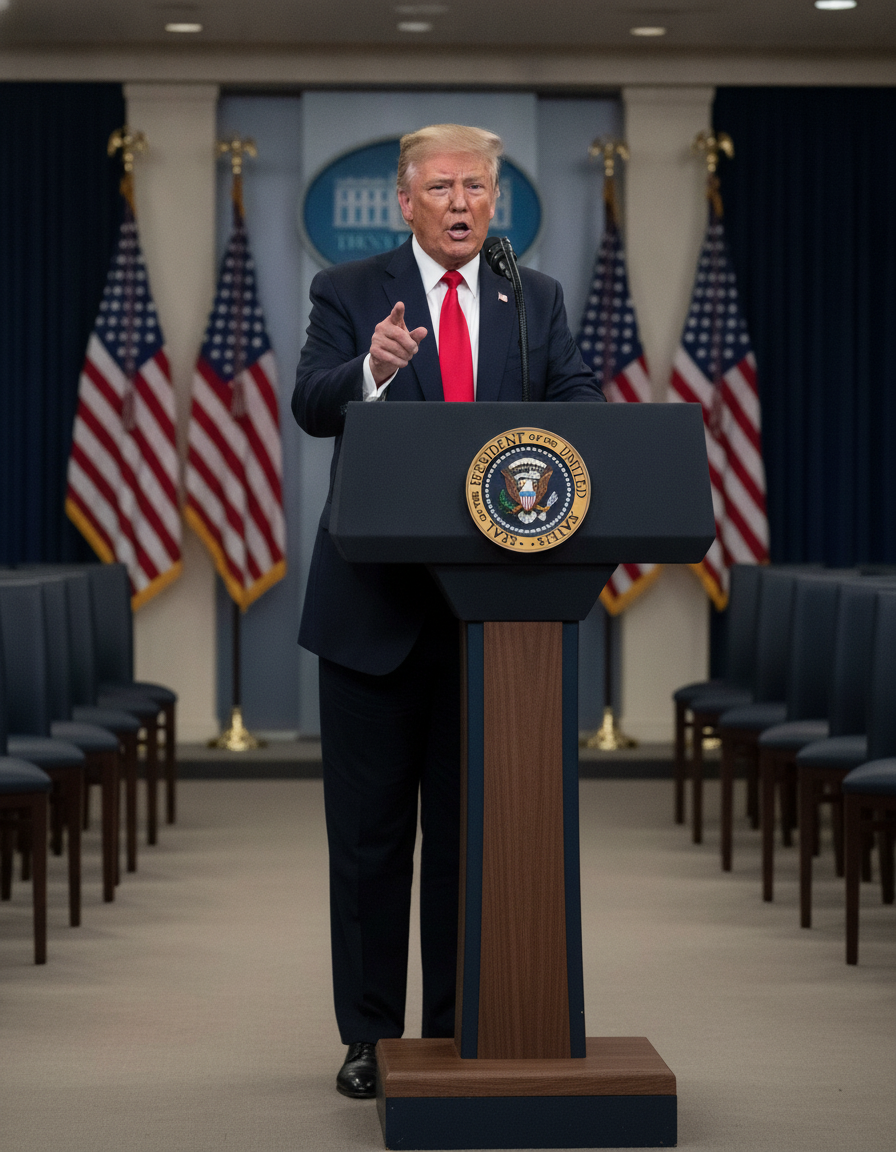
On June 25, the Government of Iran officially denied claims made by US President Donald Trump and Treasury Secretary Scott Bessent regarding the control and utilization of Iran's unfrozen financial assets.
The dispute arose after US Treasury Secretary Scott Bessent echoed statements by President Donald Trump, insisting that a large percentage of Iran's unfrozen assets would be designated to purchase food and medicine from the United States.
In response, the Iranian government asserted its own authority over the funds, stating that Iran alone would determine how the unfrozen assets are spent. Iran rejected the US claims that the spending would be restricted or directed toward American goods.
This development highlights the ongoing diplomatic friction and disagreement between Washington and Tehran over financial assets. The dispute unfolds against a backdrop of broader regional conflicts in the Middle East, which have led to economic impacts and disruptions to major oil routes.
In related regional developments, tensions remain high around the Strait of Hormuz. The US has been seeking assurances and attempting to manage the geopolitical situation, while oil tankers have had to navigate new routes through the strait despite threats from Iran's Revolutionary Guard Corps (IRGC).
The diplomatic back-and-forth also coincides with recent legislative actions in Washington, where the US Senate sided with Trump in a fresh vote on Iran war powers. While the US has expressed a desire for a deal with Iran, officials have stated they do not want an agreement "at any price."
The economic fallout of the broader US-Iran tensions has also been felt in India. Recently, India restored its non-domestic packed liquefied petroleum gas (LPG) supplies to levels seen before the Iran crisis. Furthermore, India's energy minister stated that the country is exploring opportunities to cooperate with Iran in the energy sector.