Idle Dwarka water plant awaits supply as DJB seeks 528 cusecs for new facilities
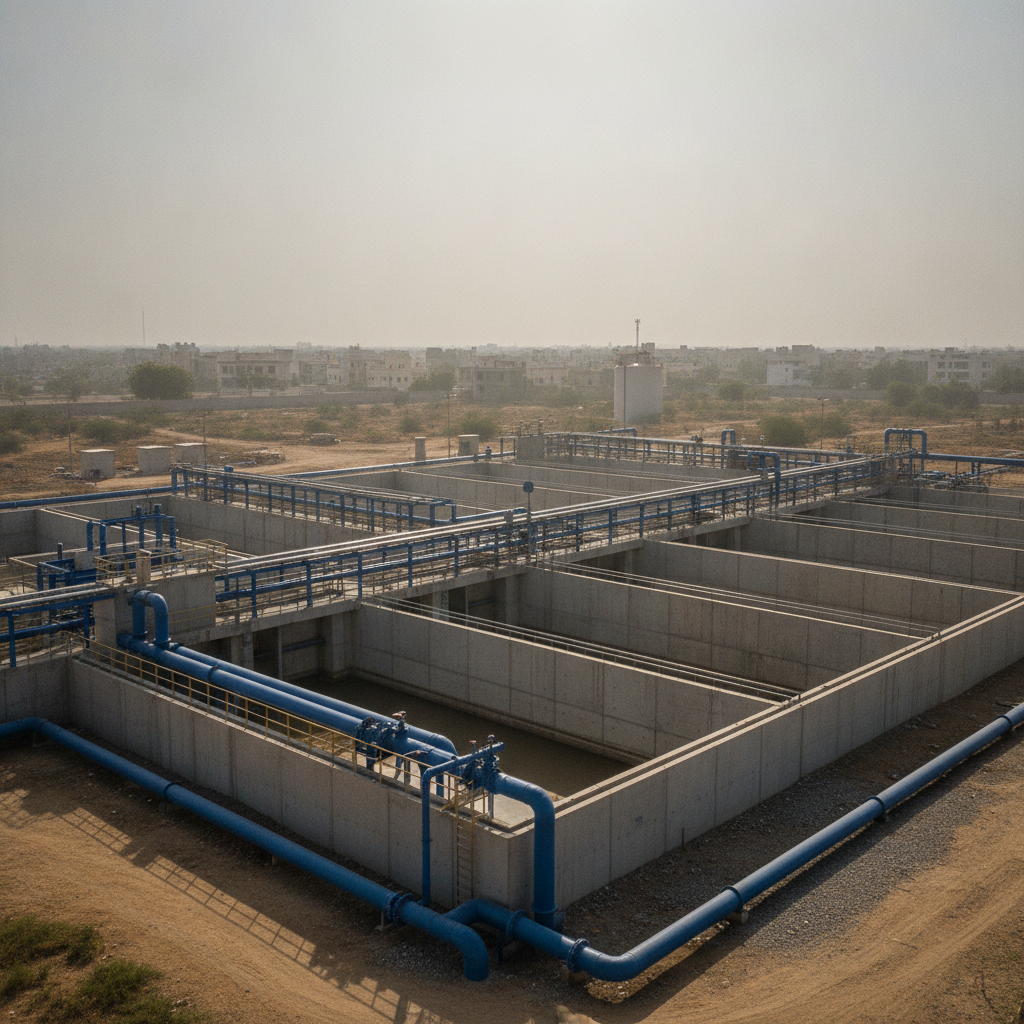
On Wednesday, senior government officials announced that the Delhi Jal Board (DJB) is seeking an additional allocation of 528 cusecs of raw water to operationalise four new water treatment plants, including the completed Phase-II facility in Dwarka. This initiative is part of a medium-term strategy to bridge the capital's widening water demand-supply gap and mitigate recurring summer shortages.
Although construction work on the second phase of the Dwarka water treatment plant is already complete, the facility currently remains idle. Officials stated that the plant cannot run because the 93 cusecs of raw water required to operate it is unavailable.
In addition to the Dwarka facility, the DJB's new water mapping exercise outlines requirements for three other proposed plants. The Iradat Nagar plant near Bawana requires 148 cusecs, the Chhatarpur plant requires 148 cusecs, and the proposed Najafgarh treatment plant requires 139 cusecs. Together, these facilities require 528 cusecs of raw water to become operational. Once functional, they are expected to improve supply in underserved areas of southwest, northwest, and south Delhi.
Delhi currently operates nine water treatment plants with a combined production capacity of around 864 million gallons per day (MGD). An additional 136 MGD is extracted from groundwater through tubewells and borewells. Despite these resources, the city grapples with a daily demand-supply deficit of approximately 250 MGD, which rises sharply during peak summer months.
The ongoing raw water shortage has recently led to low pipeline pressure, causing supply disruptions and incidents of sewage contamination in tail-end areas. While Haryana recently diverted some water through the Somb river channel to ease the crisis, algae accumulation at the Wazirabad pond continues to disrupt treatment operations.
To address long-term shortages, Delhi is looking toward interstate projects like the Kishau Dam on the Tons river, which is expected to eventually provide Delhi with 372 MGD. However, officials noted that such projects are still several years away from completion, leaving immediate operations dependent on securing raw water allocations from neighbouring states.