How Anshu Gupta built Delhi NGO Goonj to transform clothing distribution into dignity
The NGO Goonj, which operates out of the urban village of Madanpur Khadar in southeast Delhi, has redefined disaster relief across India by treating clothing as a matter of basic human dignity. Founded by Ramon Magsaysay Award recipient Anshu Gupta, the organization’s unique model of community empowerment was forged through Gupta's own formative experiences with tragedy and survival.
Gupta, now 55, traced his understanding of physical suffering back to the summer of 1987 in Dehradun, when a speeding tractor-trolley struck a motorcycle he had hitched a ride on. The near-fatal accident left him with severe leg injuries, requiring ten months of recovery. During his long stay at a local government hospital, Gupta witnessed life and death at close quarters, an experience he described as a profound education.
His first encounter with rural misery occurred in the winter of 1991, when he was a journalism student at New Delhi's Indian Institute of Mass Communication. Following a devastating earthquake in Uttarkashi that killed over 750 people, Gupta rushed to the hills to document the aftermath. There, he witnessed both the immense generosity of survivors and the desperate need for basic winter clothing. He also noticed that relief material was often callously tossed at survivors, which he felt stripped them of their dignity.
Another turning point occurred back in Delhi, where Gupta witnessed the body of a man who had died of the cold near Khooni Darwaza. A local man who collected unclaimed bodies for the police told Gupta that his workload became unmanageable during the winter. These events convinced Gupta that clothing was a critical, yet overlooked, basic human right.
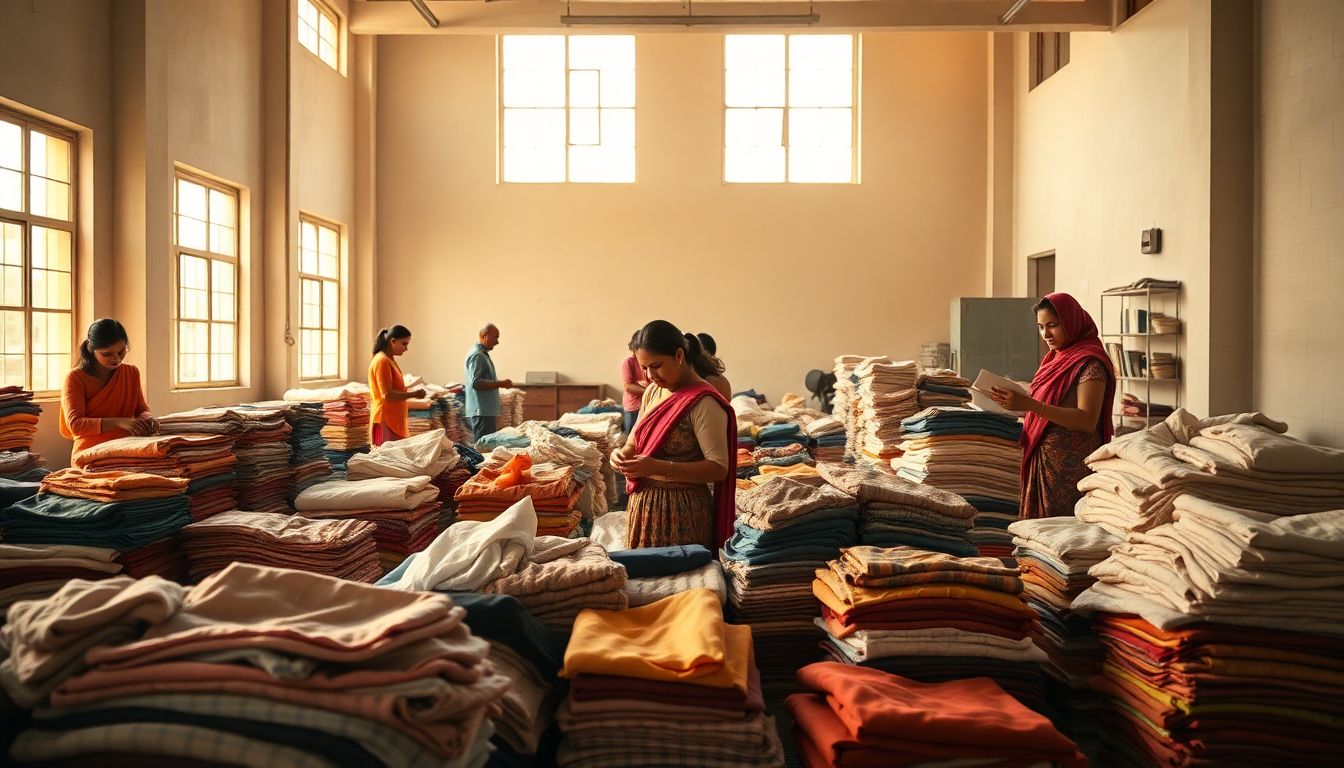
In 1999, Gupta founded Goonj from his residence in Sarita Vihar, starting with just 67 personal items. Today, the organization operates from a massive storage facility in Madanpur Khadar, where clothes are sorted, repaired, or upcycled into new products like bags and cushion covers.
Instead of distributing these items as charity, Goonj sends them to rural areas as an honorarium. Villagers receive specialized kits in exchange for participating in local development projects, such as digging wells or building ponds. Between 2014 and 2025, Goonj channeled 72 million kilograms of material and created about 1.3 million person-work days.
Though Goonj now employs about 1,100 people, Gupta warned of a worrying dip in contributions during the post-pandemic years, urging the public to recognize clothing as a fundamental need.