Delhi L-G orders MCD to expand Navjeevan Vihar zero-waste model across the city
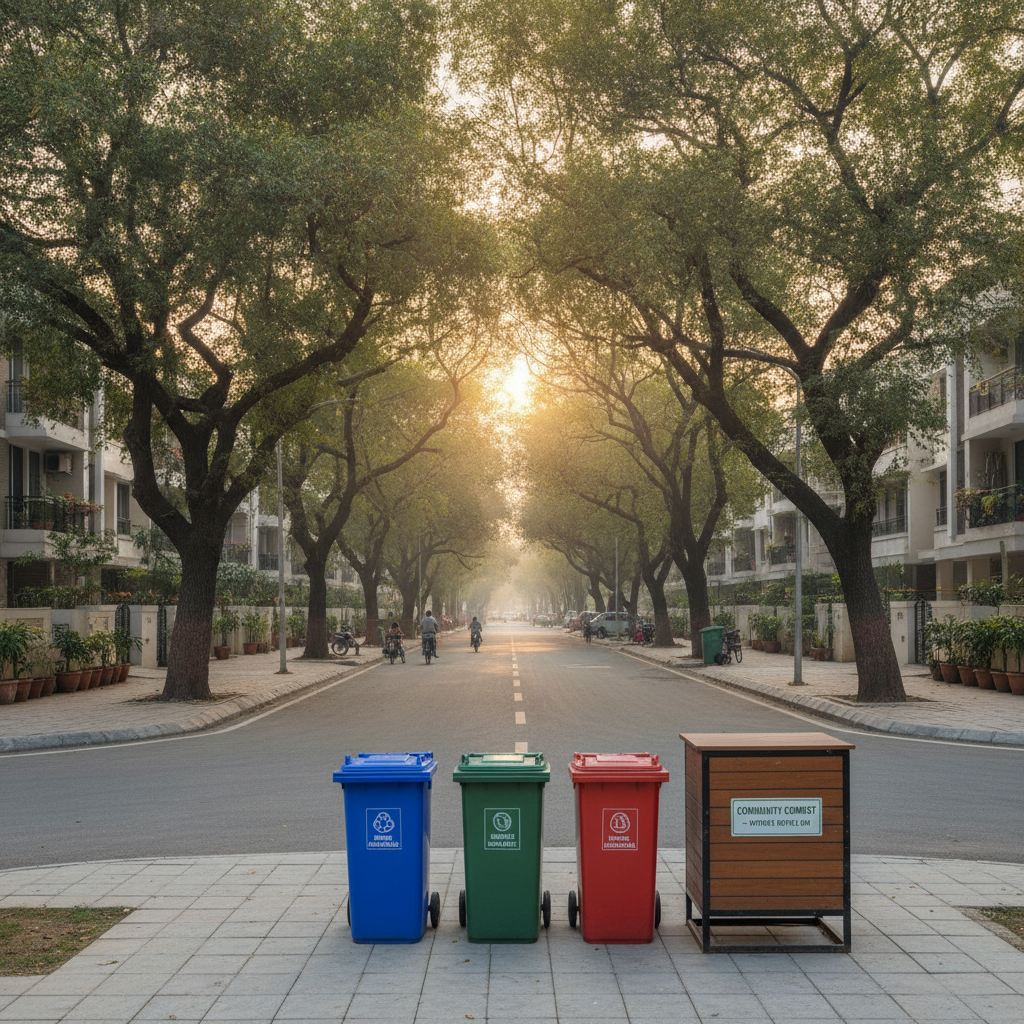
On Tuesday, June 23, 2026, Delhi Lieutenant-Governor Taranjit Singh Sandhu directed the Municipal Corporation of Delhi (MCD) to replicate the successful 'zero-waste model' of Navjeevan Vihar in south Delhi across the entire city. During a visit to the south Delhi locality, Sandhu emphasized that the expansion of this decentralized waste-management system should focus particularly on low-income and unauthorized colonies.
The Lieutenant-Governor issued the directive after observing the waste management system in Navjeevan Vihar, which is recognized as one of Delhi's certified zero-waste colonies. Residents in this neighborhood have actively managed their waste through 100 percent source segregation, on-site composting, and recycling for nearly eight years.
According to civic officials, this community-led system in Navjeevan Vihar has successfully diverted more than 10 lakh kilograms of waste from landfills over the last eight years.
To facilitate the establishment of similar decentralized waste-management infrastructure in less affluent neighborhoods, Sandhu instructed the MCD to explore dedicated funding mechanisms. He also suggested that the civic body tap into corporate social responsibility (CSR) resources to support these initiatives in the less affluent areas.
This push to expand the decentralized model comes at a time when the MCD is seeking to revive and scale up the zero-waste colony programme. This effort is being aligned with the Solid Waste Management Rules, 2026, according to an official.
Currently, Delhi has over 670 certified zero-waste areas. This figure includes more than 590 residential colonies and group housing societies, as well as 40 institutions. Together, these certified locations manage to process and compost around 100 tonnes of waste every single day across the city.