Delhi Excise Revenue Rises by Rs 153 Crore in April and May
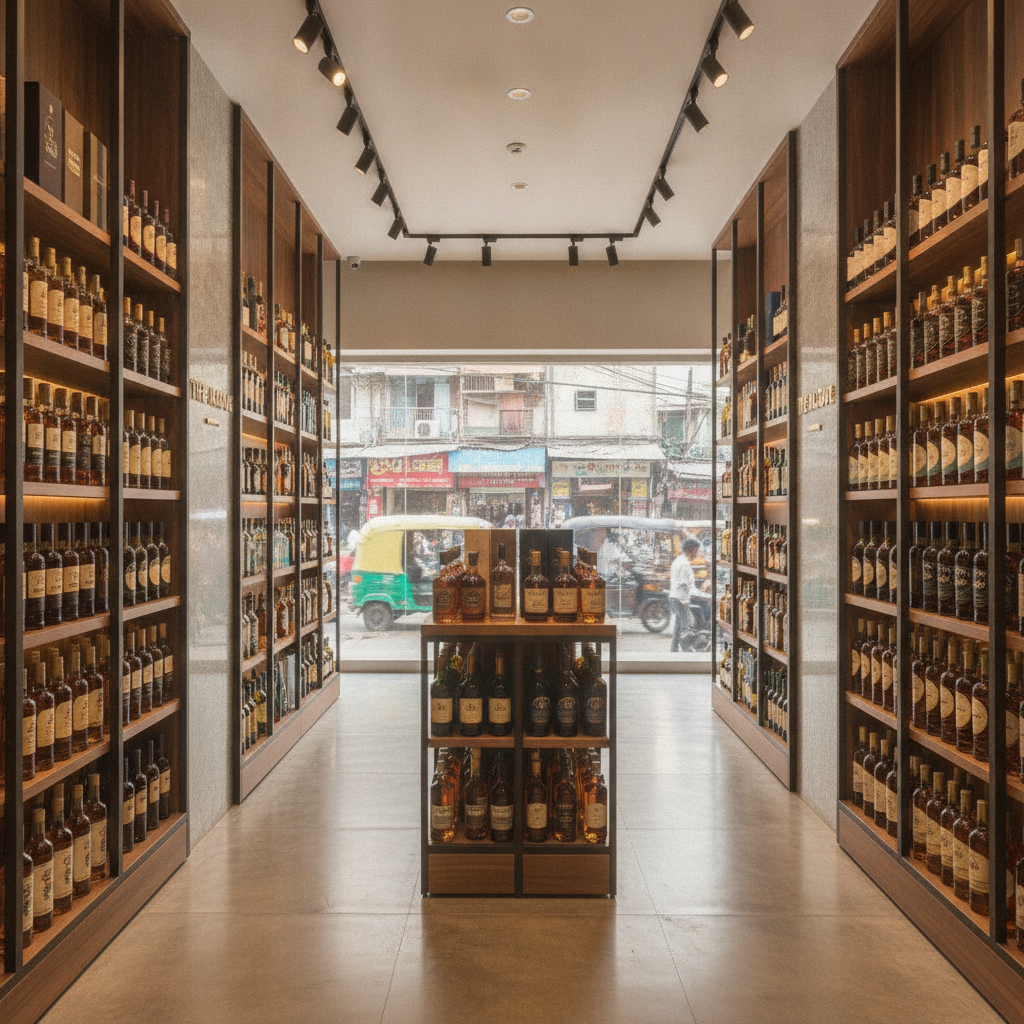
The Delhi government registered a Rs 153 crore increase in its excise revenue from liquor sales during April and May 2026, boosted by policy stability and the resurgence of national liquor brands.
According to official government data, excise collections in Delhi reached Rs 1,038 crore during the two-month period of April and May 2026. This is a notable increase from the Rs 885 crore collected during the corresponding period in 2025.
The revenue surge puts the Delhi government on track to achieve its total excise revenue target of Rs 7,200 crore for the 2026-27 financial year. This target is slightly higher than the Rs 7,148 crore collected by the government in the previous financial year.
Government officials and liquor industry representatives attributed the growth to a combination of administrative and market factors. Key drivers included greater policy stability, the expansion of large walk-in retail outlets across the city, and stricter checks on brand pushing inside government-run liquor stores.
Industry data also highlighted a major shift in consumer buying patterns. National liquor brands, which had previously lost significant market share in the city, regained their market leadership in May 2026. Their share of the total liquor sales volume rose to 54% in May 2026, up from just 24% in May 2025.
This recovery comes after national brands faced challenges when Delhi reverted to a government-run retail model in 2022. Vinod Giri, the Director-General of the Brewers' Association of India, explained that the market share of established national brands had declined sharply once private retail was scrapped and government stores became the sole retail channel.
Giri noted that the share of national brands in Delhi was around 80% when both private and government-run liquor stores were operating before the excise policy rollback. The recent rise to 54% indicates that these national brands are steadily regaining their footing under the current system.