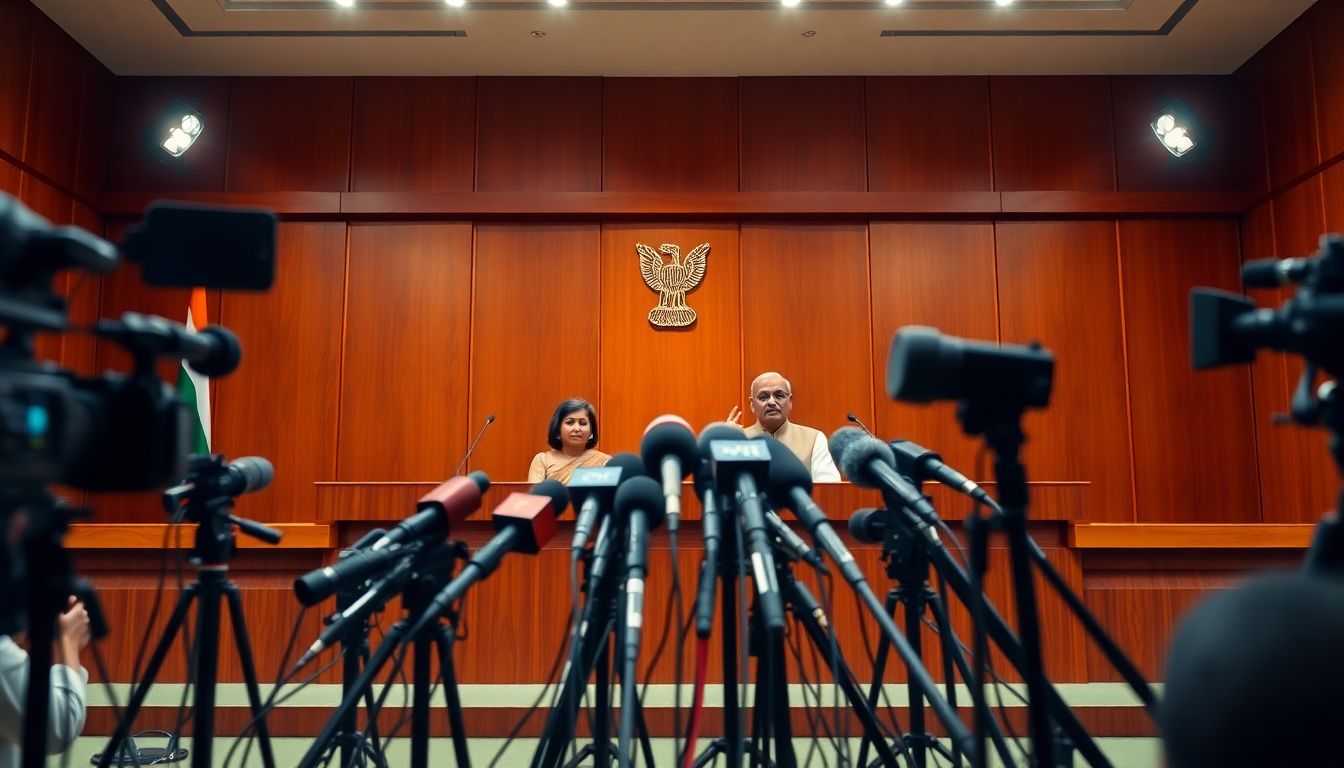
Delhi Bans New Petrol and Diesel Two-Wheeler Registrations From January 2028
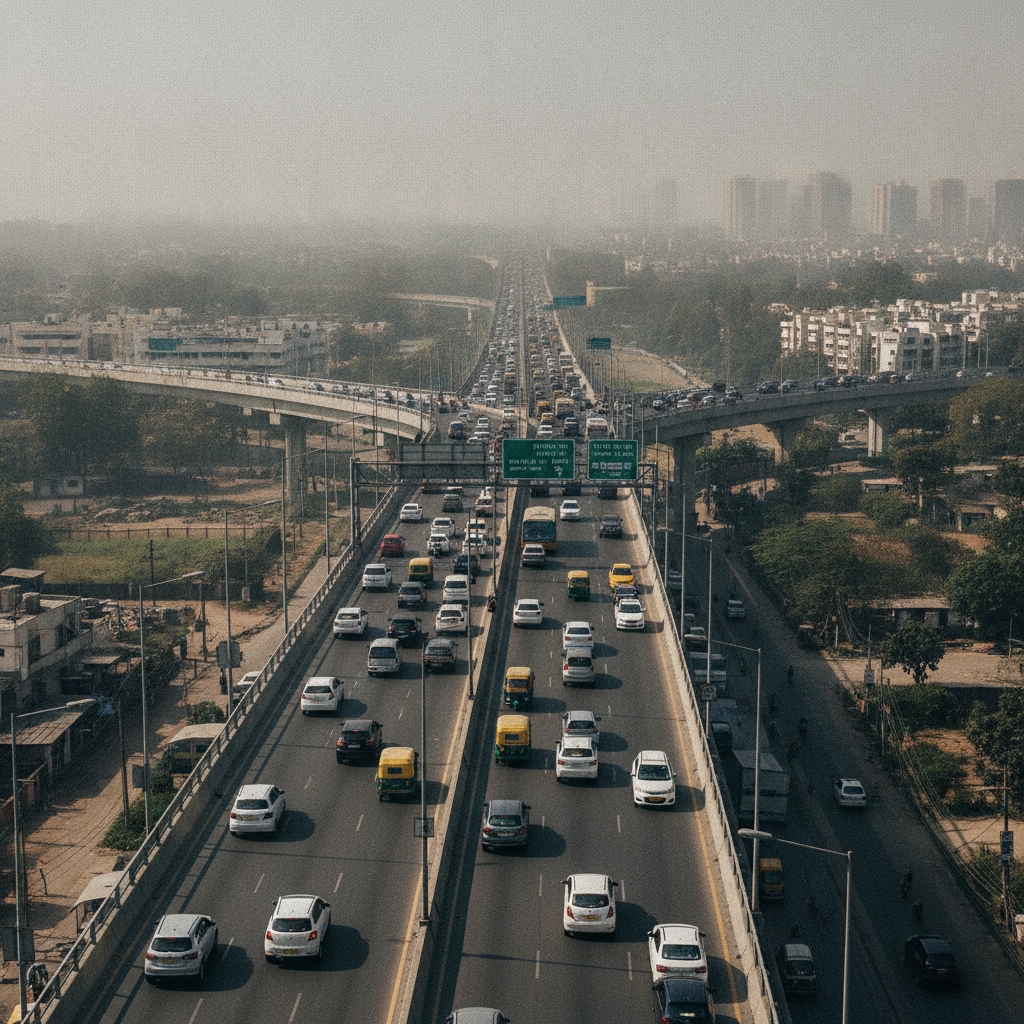
The Government of National Capital Territory of Delhi notified the new 'Delhi Electric Vehicles Policy, 2026' on June 30, 2026, setting aggressive deadlines to phase out new registrations of petrol and diesel three-wheelers, light commercial vehicles, and two-wheelers. Aimed at curbing urban air pollution in Delhi, where transport contributes 23 percent of winter particulate pollution, the policy mandates that only electric vehicles (EVs) can be registered in these categories starting in 2027 and 2028.
Under the newly notified policy, new registrations of non-EV three-wheelers and light commercial vehicles, such as mini trucks, will be banned starting January 1, 2027. A similar registration ban for non-EV two-wheelers will take effect on January 1, 2028.
According to the Commission for Air Quality Management's latest source-apportionment study, transport remains the largest source of particulate pollution during the winter season. The policy targets two-wheelers, three-wheelers, and smaller goods carriers on priority due to their high daily utilization and fleet size.
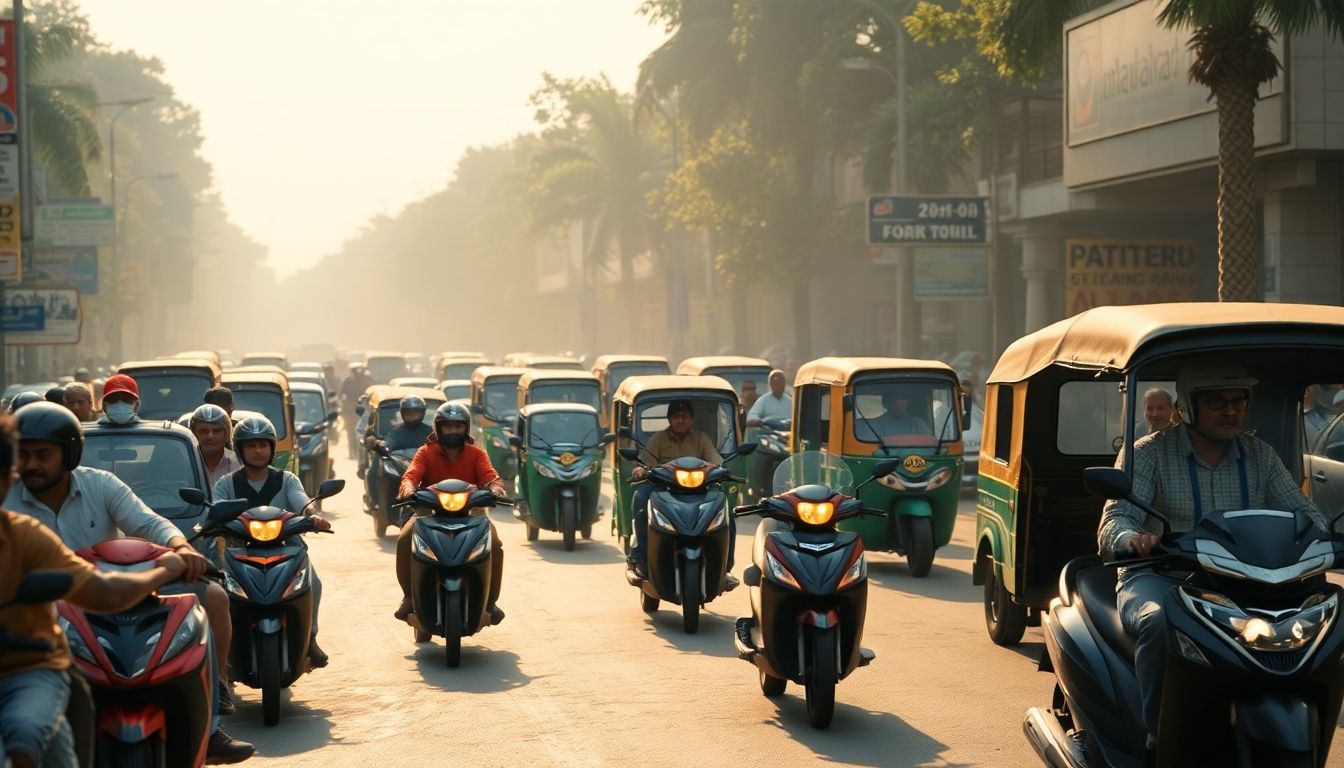
While three-wheelers are transitioning quickly—with 43.16 percent of Delhi's three-wheelers already electric and 65.7 percent of new registrations this year being EVs—two-wheelers present a massive challenge.
Two-wheelers make up nearly 67 percent of Delhi's total vehicle fleet, with approximately 1.05 crore two-wheelers currently on the roads. However, only 1.7 percent of these are electric. In the 2025-26 financial year, only 41,263 of the 5.68 lakh registered two-wheelers were electric, representing just 7.25 percent of new registrations.
To meet the January 1, 2028 target, sales of electric two-wheelers must experience at least a twelve-fold, or 1,300 percent, jump by next year, assuming demand remains steady. This task is further complicated by a 25 percent year-on-year increase in two-wheeler registrations, which rose from 4.56 lakh in 2024-25 to 5.68 lakh in 2025-26.
Infrastructure also remains a hurdle for effective implementation. Delhi currently has 771 public charging points, which are unevenly distributed and highly concentrated in the southern region of the city. Delhi Transco Limited has been tasked with expanding these public charging facilities to support the transition.