Advocate Amit Prasad Recommended For Delhi HC Judge Despite Fatal Crash Conviction
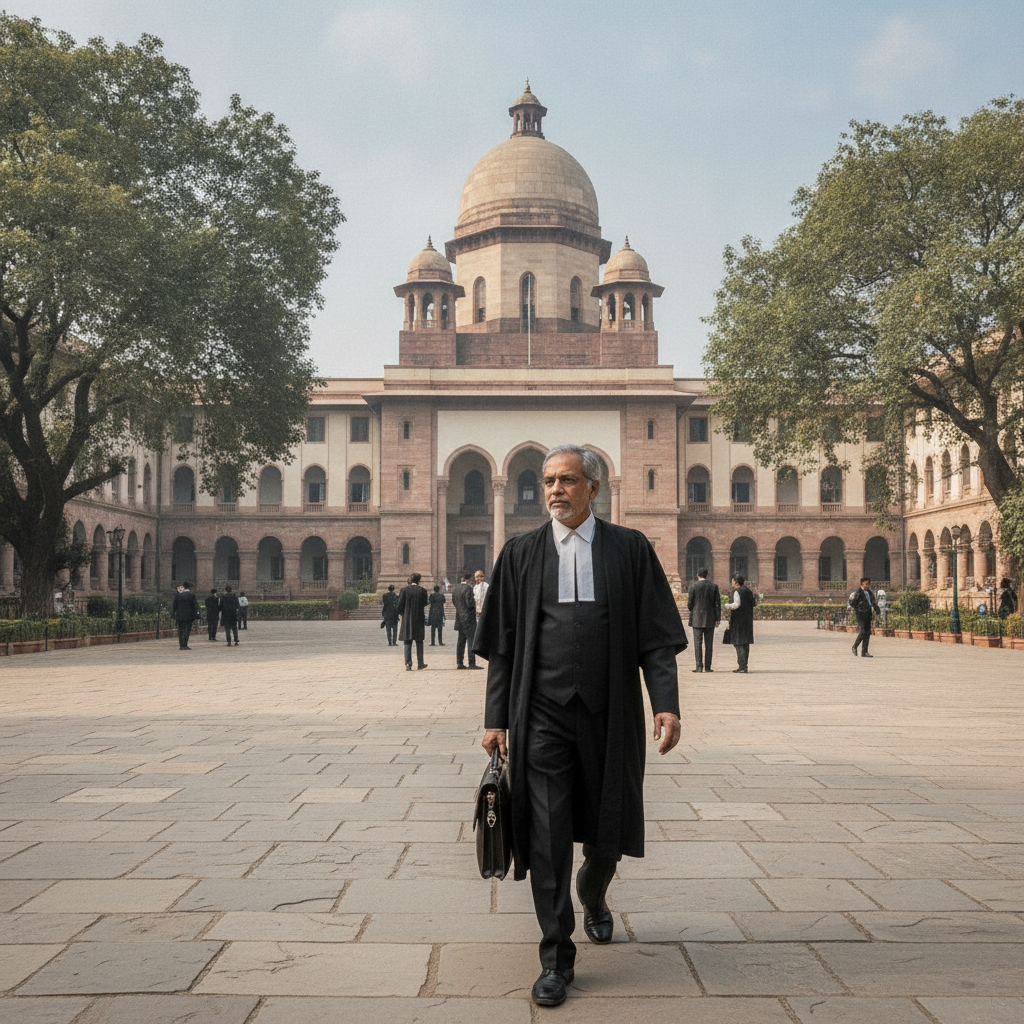
The Delhi High Court collegium has recommended advocate Amit Prasad for appointment as a high court judge, despite his 2011 criminal conviction in a fatal 1996 road accident near Khel Gaon Marg in south Delhi. The recommendation is highly unusual due to the nominee's criminal record, though there is no legal bar preventing his appointment.
On May 12, 1996, Prasad, who was a law student at the time, was driving a Maruti car near Khel Gaon Marg when he struck a cyclist. The cyclist later succumbed to his injuries. Though Prasad took the victim to AIIMS, a Delhi trial court eventually found him guilty of the incident.
On June 6, 2011, Metropolitan Magistrate Gaurav Rao convicted Prasad under Sections 279 and 304A of the Indian Penal Code for causing death by rash and negligent driving. The magistrate ruled that the prosecution had successfully established Prasad's guilt.
Following the conviction, on June 9, 2011, Prasad was released on probation of good conduct under the Probation of Offenders Act rather than being sentenced to prison. Under Section 12 of the Act, individuals dealt with under the law do not suffer disqualifications attached to a conviction, though courts have held that the conviction itself is not obliterated.
Prasad, who entered the legal profession in 1998, is a prominent criminal lawyer. He has served as the special public prosecutor in high-profile cases, including the Delhi riots larger conspiracy case and the Shraddha Walkar case.
According to people aware of the matter, Prasad disclosed all details of the 1996 accident, the 2011 conviction, and his subsequent probation in the materials he submitted for the judgeship selection process.
These disclosures were part of the record reviewed by the Delhi High Court collegium, which consists of Chief Justice DK Upadhyay, Justice V Kameswar Rao, and Justice Nitin W Sambre, before they formally recommended him.
Prasad’s name is currently among eight lawyers under consideration for elevation to the Delhi High Court. The recommendations are being reviewed by the Delhi and Union governments for inputs before being sent to the Supreme Court collegium for final review.