Three workers die in Mundka septic tank as Delhi agencies deflect responsibility
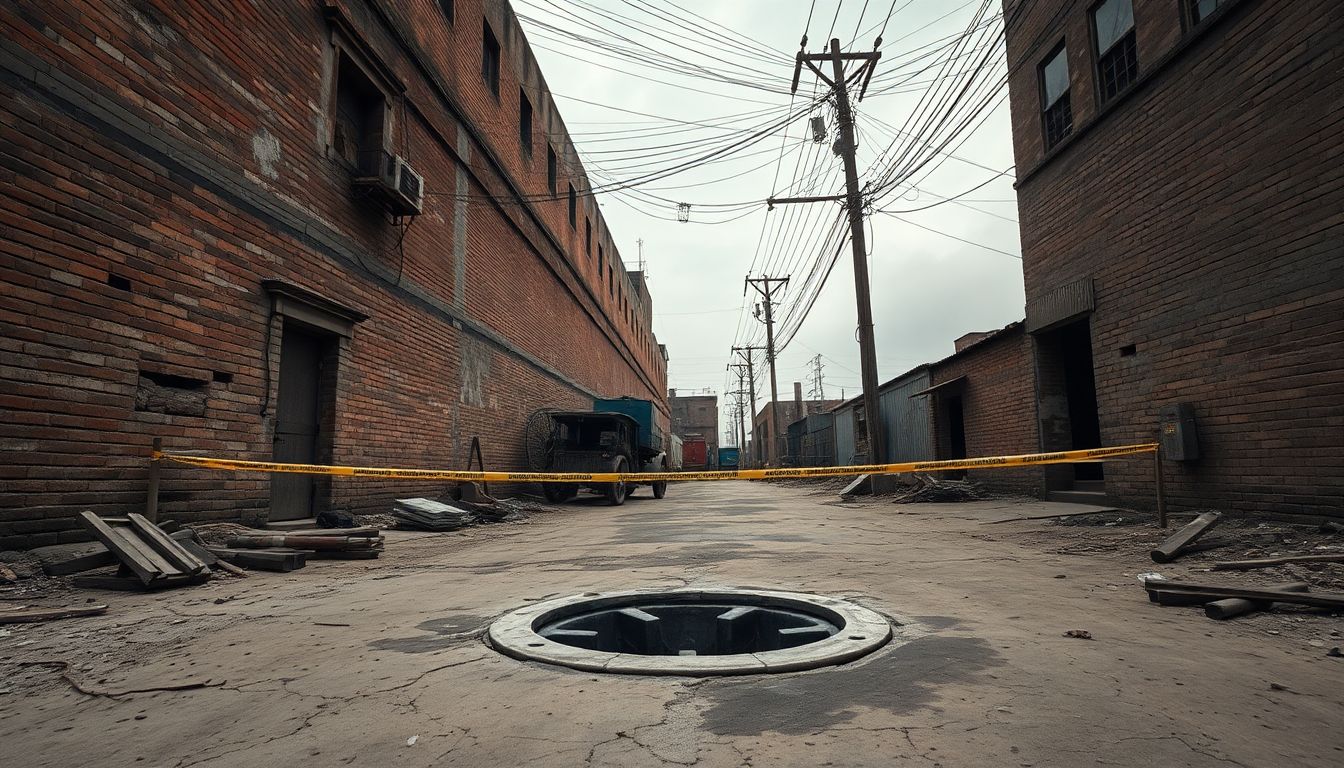
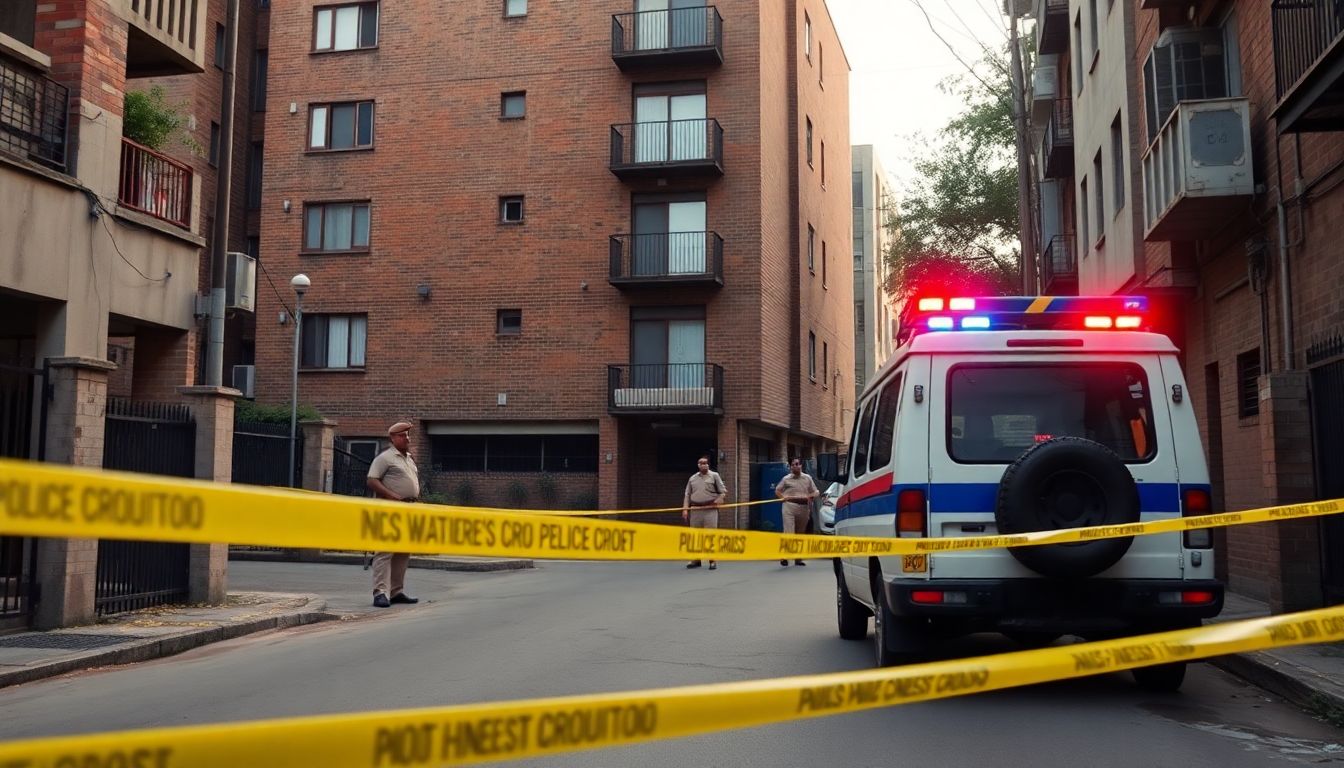
Three workers died after inhaling toxic gas inside a septic tank at a factory in the Mundka Industrial Area of Delhi, triggering a dispute over regulatory responsibility among government agencies. The incident highlights ongoing safety enforcement failures in the city’s unplanned industrial zones.
Because the Mundka Industrial Area came up in an unplanned manner, it is officially classified as a "non-conforming" industrial area on paper. This designation means the area lacks basic infrastructure, including public sewer lines, drains, and water supply lines. To manage waste, local establishments rely on septic tanks and private contractors.
Following the deaths, municipal and state agencies deflected responsibility for the incident. A senior Delhi Jal Board (DJB) official stated that the factory had hired a private contractor who was not empanelled with the DJB. The official added that the area falls under the jurisdiction of the industries department, suggesting the tank may have been used for industrial waste.
Meanwhile, a senior Delhi State Industrial and Infrastructure Development Corporation (DSIIDC) official described the location as a regulatory "grey zone." The official stated that because Mundka is a non-conforming area, it is not regulated by the DSIIDC, adding that agencies like the DJB and the local municipal corporation are responsible for handling services.
Sunil Chadha, general secretary of the Mundka Industrial Area Welfare Society, stated that local businesses have been fighting for access to basic sewage and drainage facilities for more than a decade. He noted that because there are no sewer lines, contractors are hired to clear septic tanks, which is supposed to be done using suction machines rather than manual entry.
Under the Prohibition of Employment as Manual Scavengers and their Rehabilitation Act (PEMSR) of 2013, local authorities are legally required to enforce safety protocols and penalize violators who send workers into hazardous environments without protective gear.
Bezwada Wilson of the Safai Karamchari Andolan stated that agencies cannot shirk their responsibility. He noted that his organization documented 12 such deaths in Delhi and 98 nationwide during the first six months of 2026 alone.
The Delhi government previously announced plans to deploy 300 septage cleaning machines to provide free cleaning services in areas without sewer lines. However, a senior government official confirmed the plan remains stalled on paper. The DJB's bidding process received only a single bid, requiring a re-tendering process to maintain transparency.