Sardar Teja Singh Samundri Centenary Marked At Gurdwara Rakab Ganj Sahib
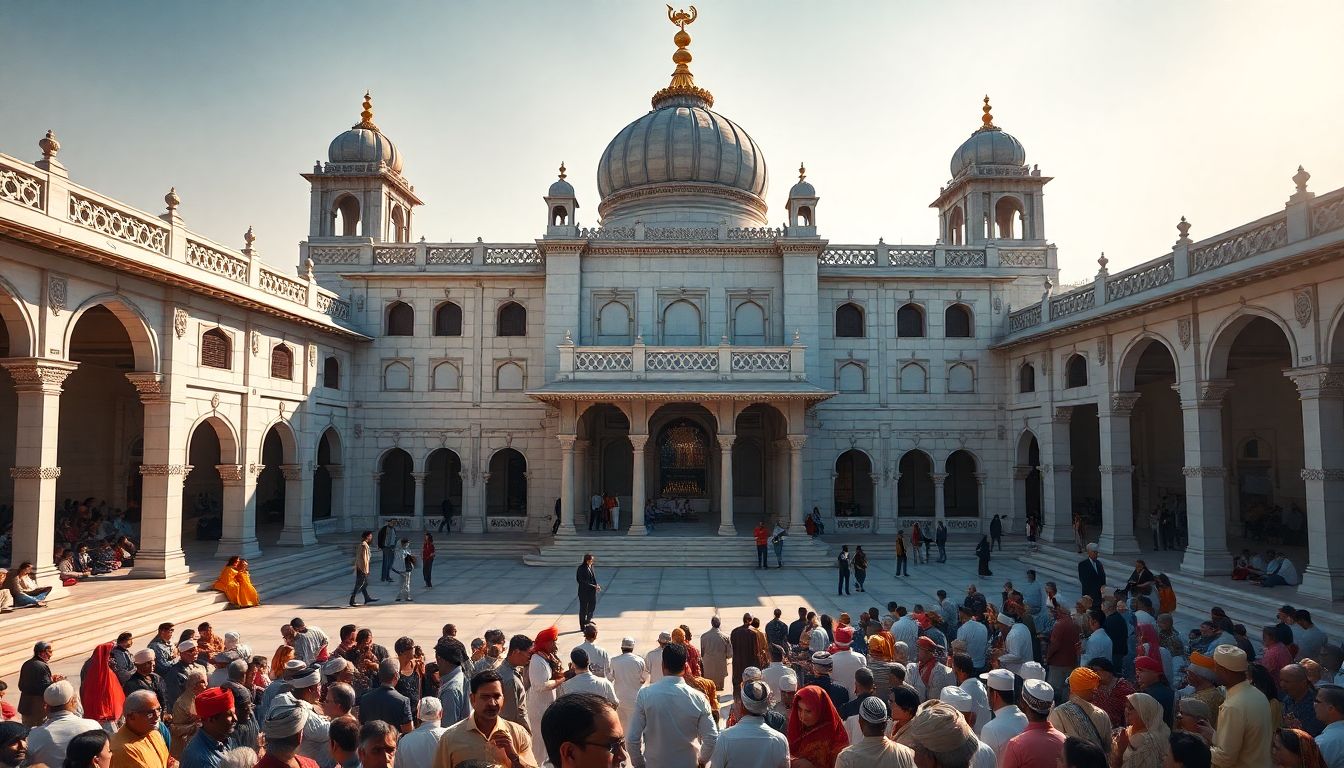
A special Shabad Kirtan and community kitchen (Guru ka Langar) was organized at Gurdwara Rakab Ganj Sahib in New Delhi on Friday to commemorate the centenary of the martyrdom of Sardar Teja Singh Samundri. The event in the capital honored the legacy and contributions of the late founding member of the Shiromani Gurdwara Parbandhak Committee (SGPC), who was a key leader of the historic gurdwara reform movement.
The Delhi programme was organized by Samundri's grandson, lieutenant governor TS Sandhu. The solemn event drew a large gathering of local devotees alongside several high-profile public figures. Among the prominent dignitaries who attended the service were former President Ram Nath Kovind, Chief Justice of India Surya Kant, and Gursharan Kaur, the wife of former Prime Minister Manmohan Singh.
Other notable figures present at the Gurdwara Rakab Ganj Sahib event included chief minister Rekha Gupta and actor Anupam Kher. The gathering also saw the participation of ministers from the Delhi cabinet, judges from both the Supreme Court and the Delhi High Court, as well as various Members of Parliament (MPs) and Members of the Legislative Assembly (MLAs).
During the memorial service, a special Shabad Kirtan was performed by Padma Shri awardee Bhai Harjinder Singh. Following the devotional music, a Guru ka Langar was served to all present, in keeping with the traditional Sikh practice of community service and offering free meals.
In tandem with the event in New Delhi, the SGPC held a parallel commemorative function at the Teja Singh Samundri Hall in Amritsar to pay tribute to the late leader's historic contributions.
Born in 1882, Sardar Teja Singh Samundri was a pivotal figure in modern Sikh history. As a founding member of the SGPC and a foremost leader of the historic gurdwara reform movement, he dedicated his life to strengthening Sikh religious institutions. His lifelong efforts were focused on securing the Sikh community's right to manage their own gurdwaras.