Delhi Police Probe Uncovers Extortion Racket in Rohini and Tihar Jails
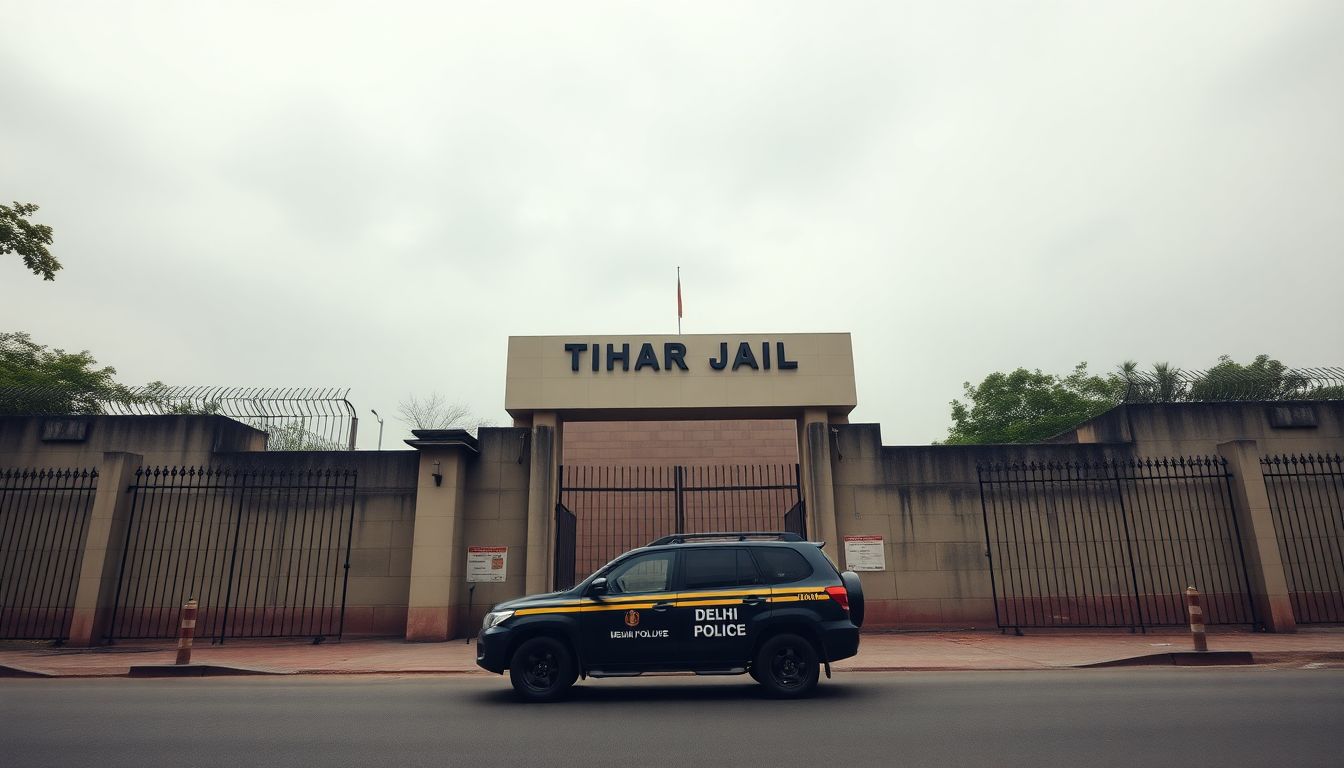
A Delhi Police investigation has uncovered a well-organized extortion racket operating inside the Rohini, Tihar, and Mandoli jails in New Delhi. The probe revealed that prison staffers and warders colluded with hardened criminals to systematically intimidate new inmates and extort money from their families under threats of violence and hard labor.
According to the police probe, several prison staffers targeted newly admitted inmates to sustain the racket. The staffers intimidated these prisoners by threatening to transfer them to barracks where violence among the occupants was rampant. In other instances, the inmates were threatened with transfers to wards where they would be assigned highly labor-intensive duties.
Investigators stated that these repeated threats created severe fear, anxiety, and psychological pressure on the prisoners. The collusion between the jail administration staff and hardened criminals ensured that the inmates felt completely helpless.
When the inmates appeared visibly distressed following the targeted threats and harassment, prison warders allegedly stepped in to exploit the situation. The warders projected themselves as protectors of the distressed prisoners. They then provided the inmates with specific mobile numbers, instructing them to contact their family members immediately.
The families were told to transfer money to these mobile numbers through UPI platforms. In return for these digital payments, the warders promised the inmates "protection and favorable treatment" inside the prison facilities.
The investigation revealed that the mobile numbers provided for the UPI transfers generally belonged to the neighbours or relatives of other undertrial prisoners. Left with no other choice, the scared inmates called their families to request the funds.
Police investigators discovered that the family members making the payments were generally unaware of who the final beneficiaries were. Conversely, the individuals receiving the money often did not know the original source of the funds.
To uncover the depth of the racket, investigators examined around 200 people. This included nearly 150 family members of prisoners and several former inmates who were out of jail.