Saket Court Dismisses Plea to Prevent Reuse of Shaheen Bagh Grave
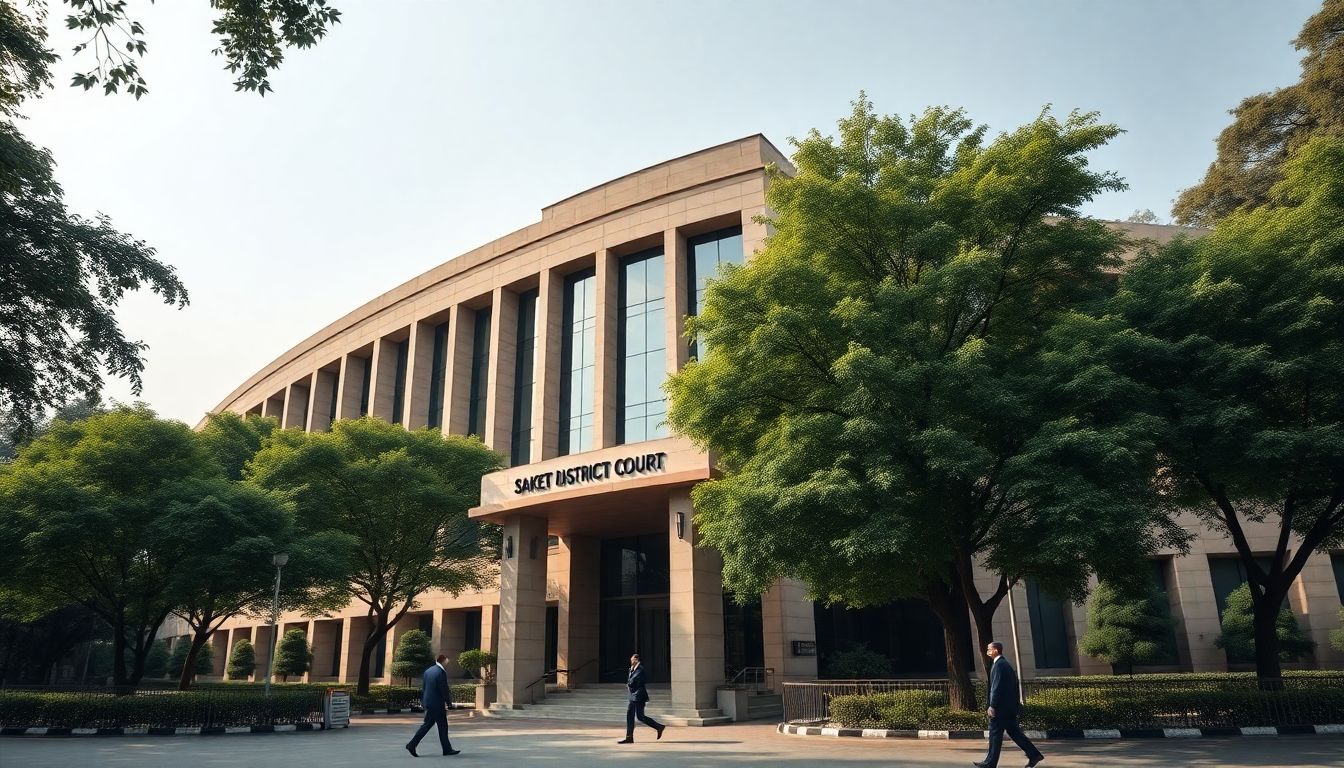
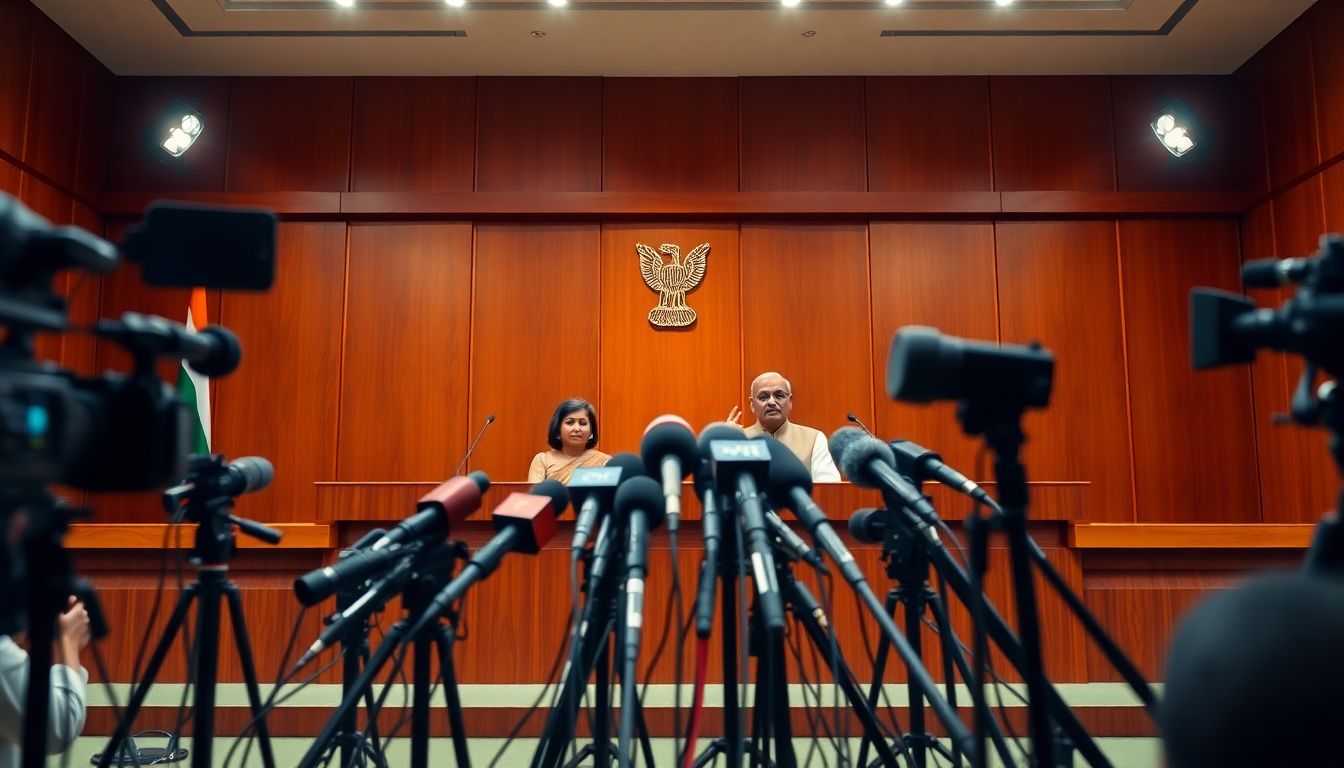
On Friday, the Saket Courts in New Delhi dismissed an appeal seeking to restrain the management of the Shaheen Bagh graveyard from reusing a grave. District Judge Atul Ahlawat ruled that granting such a restriction would create a private right over limited public burial land meant to serve the broader Muslim community.
The decision dismissed an appeal filed by M. Basharat Hussain, a resident of Jasola Vihar, upholding a trial court order that had refused interim relief in the matter. Hussain’s wife was buried in the Shaheen Bagh graveyard, which is managed by Jamiat Ulema-i-Hind, in April 2021.
A legal dispute arose last year when the graveyard management moved to bury another body over her grave. In his plea, Hussain argued that Islamic law does not permit the reuse of a grave until the body buried in it has completely decomposed. Citing Muslim Personal Law, he contended that disturbing his wife’s grave before that stage would violate the dignity of the deceased and the constitutional right to a dignified burial. He sought protection for a period of seven years.
The graveyard management opposed the plea, arguing that no individual could claim a legal, contractual, or religiously enforceable right over a specific grave in a public cemetery. They further contended that the cemetery exists for the benefit of the Muslim community at large and that the reuse of graves has become unavoidable due to an acute shortage of burial space.
Judge Ahlawat held that the trial court had correctly applied the principles of Muslim Personal Law relating to burial and reburial. He observed that neither the appellant nor the graveyard management had placed scientific or other reliable material before the court to establish how long it ordinarily takes for a buried body to decompose completely.
The court also vacated the interim protection that had restrained the management from digging up the grave, which had remained in force while the appeal was pending.
In his ruling, the judge noted that the temporary injunction to preserve the dignity of the deceased's body could not be granted for a specific period, as it would amount to creating a private right on scarce public land. Relying on Islamic jurisprudence, the court noted that authoritative writings of Islamic scholars state that while exhuming a grave is generally prohibited, the reuse of the same burial space is permissible when circumstances make it necessary.
The court concluded that Hussain had failed to produce prima facie scientific evidence to show his wife's body had not yet fully decomposed, stating the burden of proof rested on him. However, the court clarified that these observations were limited to the question of interim relief, and Hussain would still have the opportunity to present evidence before the trial court during the ongoing proceedings.