Regulators Expand Food Safety Crackdown on Quick-Commerce and Brands
Food safety authorities and state Food and Drug Administrations have intensified a nationwide enforcement drive targeting quick-commerce platforms, packaged food companies, and liquor manufacturers, leading to licence suspensions and over 800 pending legal disputes.
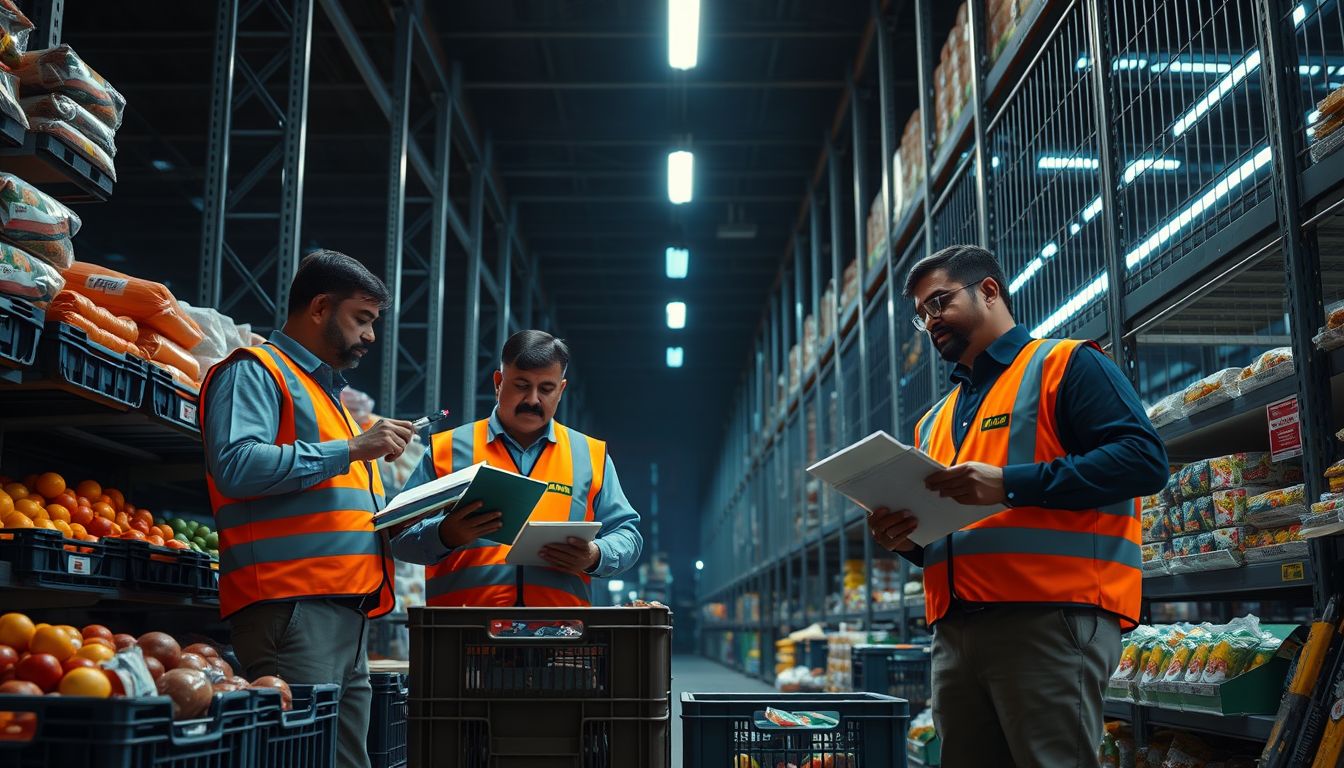
The multi-city operation has seen authorities suspend licences at 16 restaurants and e-commerce warehouses in Mumbai, including dark store facilities in Mumbai and Pune. Inspectors also suspended permits for 12 warehouses operated by major grocery and delivery platforms after discovering cockroach infestations and rotting vegetables inside cold storage units. The findings have pushed delivery platforms to publicly commit to overhauling storage and hygiene practices within weeks.
The enforcement actions have also hit large-scale food processors. In July, regulators suspended the operating licences of two food manufacturers linked to pharmaceutical companies after inspections uncovered lapses in Good Manufacturing Practices and hygiene. The violations included inadequate pest control, poor sanitation, weak water quality monitoring, and improper record keeping, forcing both facilities to completely halt production until the issues were rectified and independently verified.
The regulatory scrutiny has further extended to the alcohol industry. One of the country's largest spirits makers agreed to reformulate several of its top-selling whiskey and rum products following national concern over artificial flavouring. Multiple state regulators have banned the practice, while authorities also review "100 per cent purity" claims on bottled spirits.
With enforcement expanding across Karnataka, Mumbai, Pune, and several other cities, food safety regulators are now managing more than 800 pending cases across various tribunals and courts, including the Supreme Court, state High Courts, and the Central Administrative Tribunal. To handle challenges to licence suspensions, including cases brought before the Bombay High Court, the food safety regulator doubled the size of its legal panel from four law firms to eight.
Officials noted that the ongoing campaign reflects a long-term shift toward risk-based monitoring. Future inspections will regularly target high-risk product categories, including milk, edible oils, spices, and honey, on a sustained basis rather than through sporadic checks.