Monsoon Trough Shift Triggers Dry Spell and Rising Temperatures in Delhi-NCR

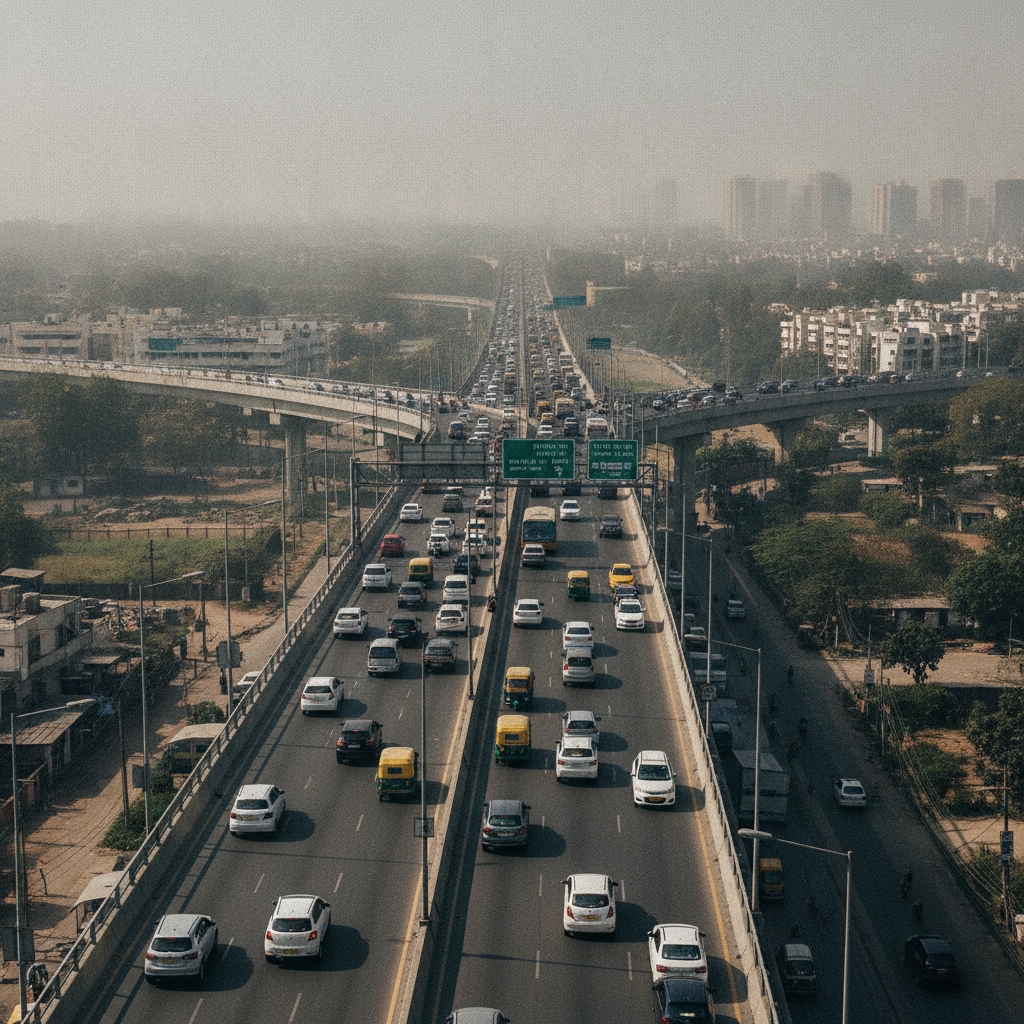
A sudden slowdown in monsoon rains, known as a "break monsoon" condition, has brought dry west winds, clear skies, and rising temperatures to Delhi-NCR this July. According to the India Meteorological Department (IMD), the temporary halt in rainfall across the national capital region was caused by the monsoon trough shifting northward toward the Himalayan foothills.
The shifting of the monsoon trough, which is a low-pressure belt that acts as a highway for rain-bearing winds, has migrated away from the plains of northwest India. M Danish, a scientist at IMD Lucknow, explained that the monsoon belt shifted to the Terai belt in the northern part of Uttar Pradesh. This shift has concentrated rainfall in northern Uttar Pradesh and East India, leaving Delhi-NCR and Western Uttar Pradesh dry.
Mahesh Palawat, vice-president of Meteorology and Climate Change at Skymet Weather, stated that the weather across Northwest India, including Delhi, has remained completely dry due to this break monsoon condition. He explained that when the axis of the monsoon trough shifts into the Himalayan foothills, winds south of the trough blow from the west. Because these are dry winds, humidity levels drop sharply, which stops cloud formation and rainfall while triggering a rise in temperatures.
While monsoon breaks typically last between four to six days, experts noted that this current dry spell has turned into an unusually prolonged break of 11 to 12 days. Palawat attributed this extended break to the dominant impact of El Nino, which became explicitly visible in the second half of July. This prolonged dry spell has caused India's overall cumulative rainfall deficiency to climb from 12 percent on July 9 back up to 18 percent within a span of three days.
However, meteorologists indicate that this break is temporary. The IMD expects the monsoon trough to gradually migrate back southward, ushering in a revival of rainfall. Palawat provided a timeline, stating that once the axis of the monsoon trough begins moving southwards after July 20, rainfall activity is expected to pick up again across Punjab, Haryana, Delhi, and Western Uttar Pradesh, causing temperatures to slide down once more.