MCD to stop lifting garbage from bulk waste generators in New Delhi
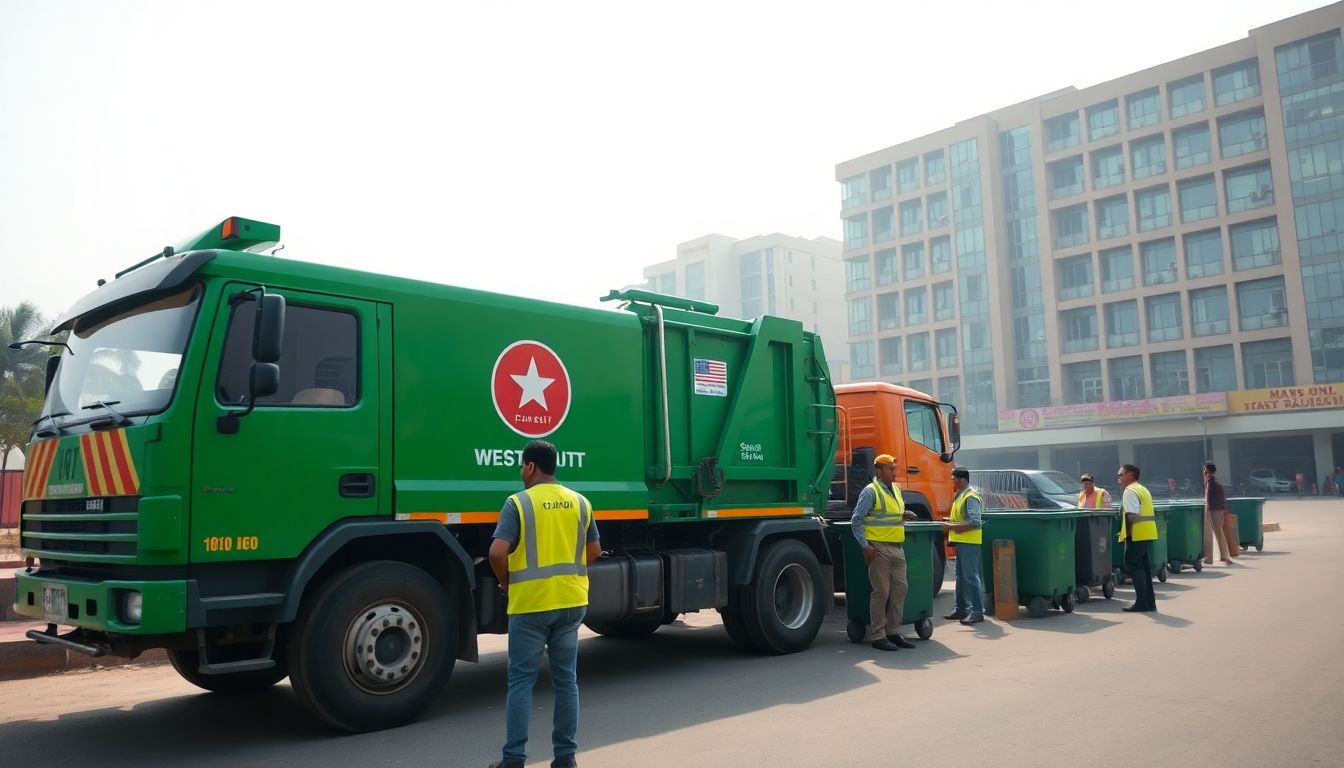
The Municipal Corporation of Delhi (MCD) announced on Sunday that it will empanel private waste management agencies to handle decentralized waste processing for bulk waste generators (BWGs) across New Delhi. The selection process for these private partners is scheduled to be completed by July 17 under the new Solid Waste Management (SWM) Rules, as the civic body plans to stop collecting garbage from these large-scale waste producers.
Under the new rules, the empanelled private agencies will act as authorized compliance partners for the BWGs. They will be responsible for ensuring 100 percent waste segregation at the source, providing segregated waste collection systems, and facilitating on-site or decentralized processing of wet waste through composting and biogasification.
According to a senior MCD official who spoke on the condition of anonymity, the municipality will completely stop lifting garbage from these bulk-generating entities. BWGs that fail to comply with the new decentralized processing rules will face financial penalties.
Bulk waste generators are defined as entities that produce more than 100 kilograms of waste per day, properties spanning an area of 20,000 square meters or more, or establishments with a daily water consumption of 40,000 liters or more. This category includes residential gated societies, malls, multiplexes, hotels, hospitals, nursing homes, wholesale markets, community halls, convention centers, auditoriums, banquet halls, and educational institutions like schools, colleges, and universities.
The MCD’s expression of interest noted that many BWGs in New Delhi currently lack the necessary in-house expertise to manage waste conversion effectively. This deficiency has led to inefficient waste management and increased waste dumping at designated municipal sites, which are already struggling with space constraints.
To address this, the empanelled private companies will be required to utilize GPS-enabled vehicles to transport waste. These agencies must also submit monthly reports to the MCD and ensure strict compliance with environmental regulations. Any violations of the prescribed standards will result in financial penalties, payment deductions, blacklisting, or the cancellation of the agency's panel status.
The push for decentralized processing follows widespread non-compliance among the city's large waste producers. Despite multiple warnings and public notices issued by the MCD over the past year, many BWGs have failed to comply with the rules. Last year, only 3,749 BWGs registered with the MCD, prompting the civic body to issue more than 32,000 challans totaling over ₹85 lakh for violations.