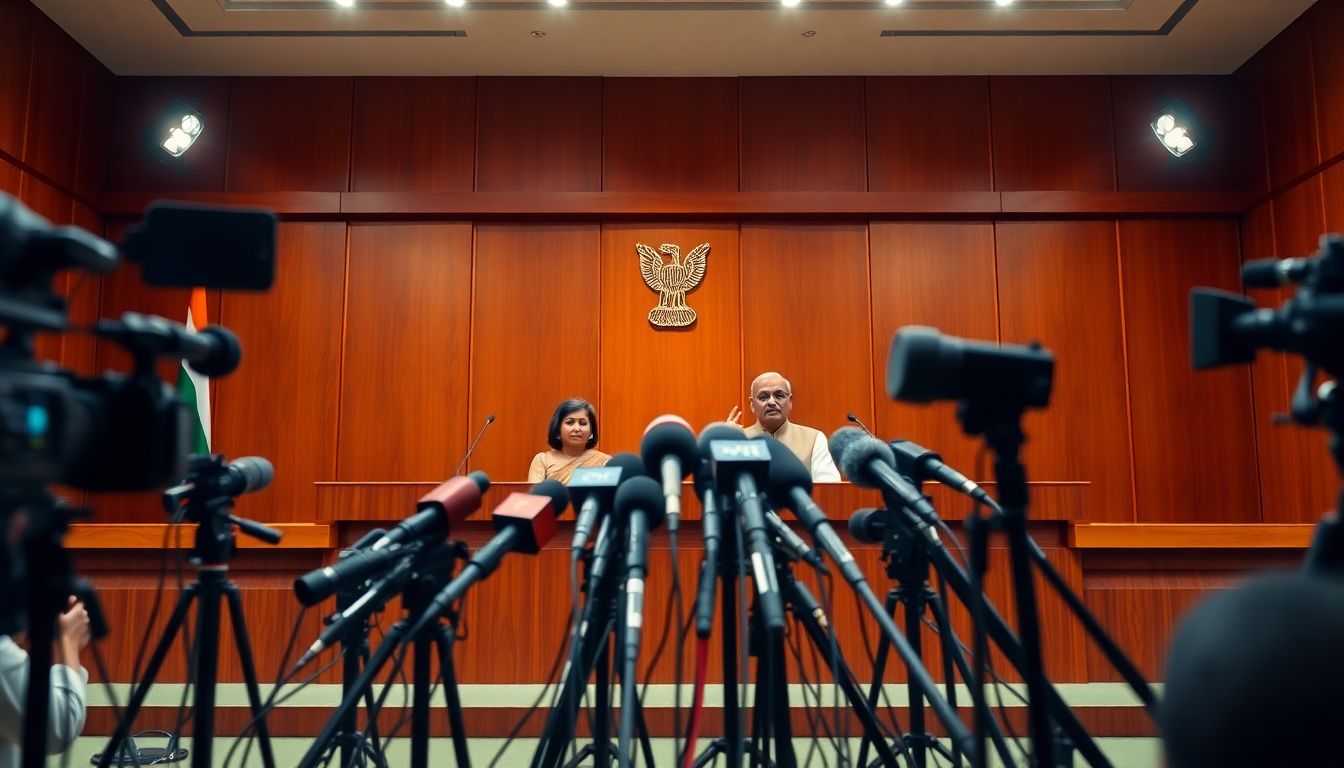
LG TS Sandhu chairs DDA meeting to review 1400 sq km urban development plan for Delhi
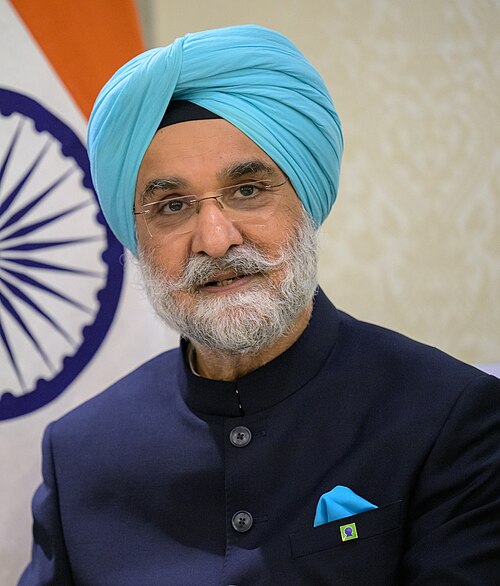
Lieutenant Governor TS Sandhu chaired a high-level meeting of the Delhi Development Authority (DDA) Advisory Council in Delhi on July 3, 2026, to review a proposed 1,400-square-kilometre urban development roadmap. The blueprint aims to address the city's long-standing challenges in housing, traffic congestion, water security, and pollution.
The meeting was attended by Advisory Council members, including Members of Parliament Ramvir Singh Bidhuri and Sudhanshu Trivedi. Senior officials from the DDA, Delhi Metro Rail Corporation (DMRC), National Capital Region Transport Corporation (NCRTC), Delhi Jal Board (DJB), the Delhi government's Health and Power departments, and the Ministry of Labour and Employment were also present to discuss the long-term plan.
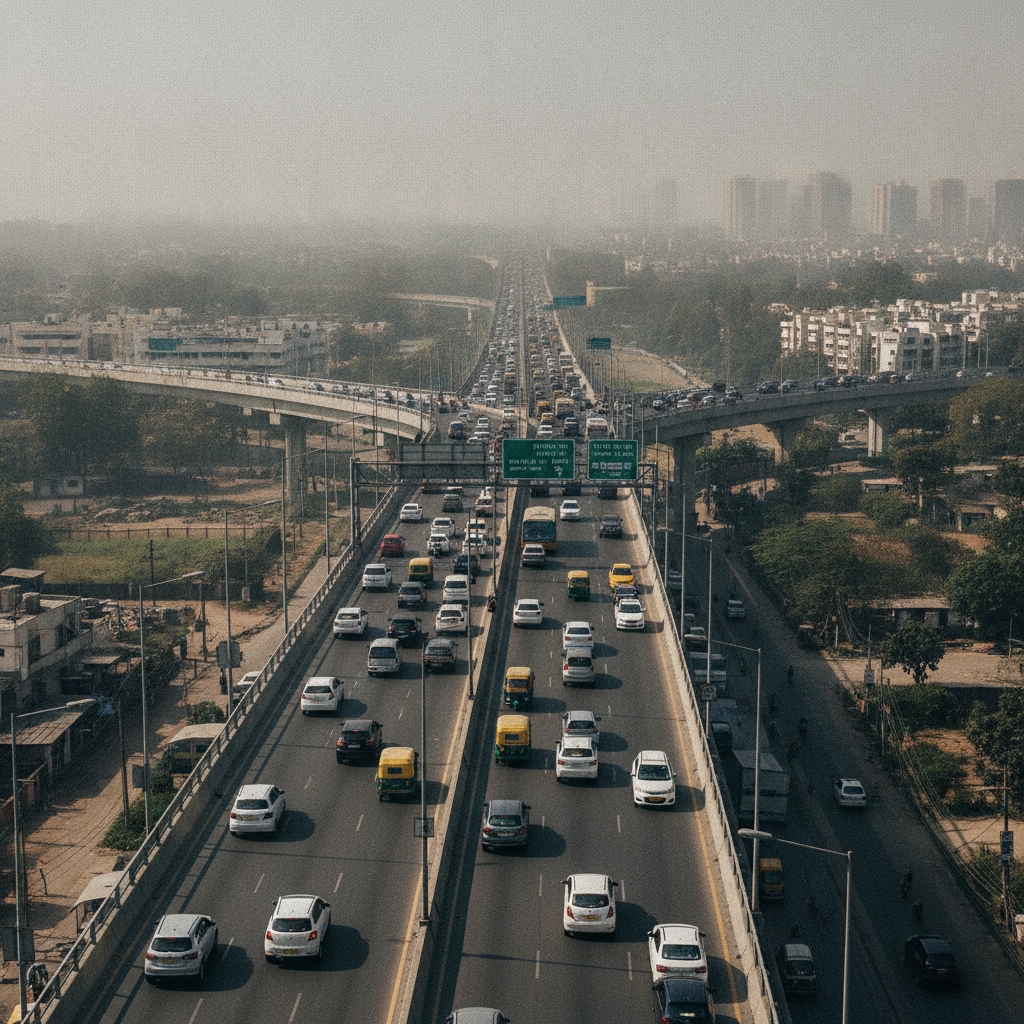
During the meeting, the Advisory Council identified several persistent issues requiring planned intervention. These include affordable housing shortages, the growth of slums and Jhuggi-Jhopri clusters, the redevelopment of unauthorised colonies, traffic congestion, air pollution, water security, urban flooding, the urban heat island effect, deteriorating heritage structures, and the planned development of the Yamuna floodplain (Zone O).
To address these challenges, LG Sandhu outlined four broad priorities to ensure Delhi's growth is inclusive, sustainable, and future-ready. The first priority is creating a greener city through higher per capita green cover and Yamuna riverfront development. The second focuses on improving the quality of life through enhanced water security, disaster resilience, and safer roads. The third priority aims to strengthen the economy by redeveloping commercial markets and creating logistics hubs, while the fourth targets better mobility by integrating multimodal transport to reduce congestion.
According to officials, the proposed spatial framework allocates specific areas for development across the capital. This includes 700 square kilometres of developed residential areas, 207 square kilometres under Transit-Oriented Development (TOD), and 200 square kilometres under Land Pooling Areas.
Additionally, the plan earmarks 150 square kilometres for low-density development, 100 square kilometres for Yamuna riverfront development in Zone O, 31 square kilometres for the bungalow zone, 24 square kilometres for the redevelopment of the Old City, and 20 square kilometres under High Density Corridor development.
LG Sandhu stated that the proposed framework would serve as the roadmap for translating the vision of a sustainable Delhi into on-ground development as the city prepares for future population growth.