Haryana Nears Completion of Drain Project to Prevent Delhi Ammonia Spikes
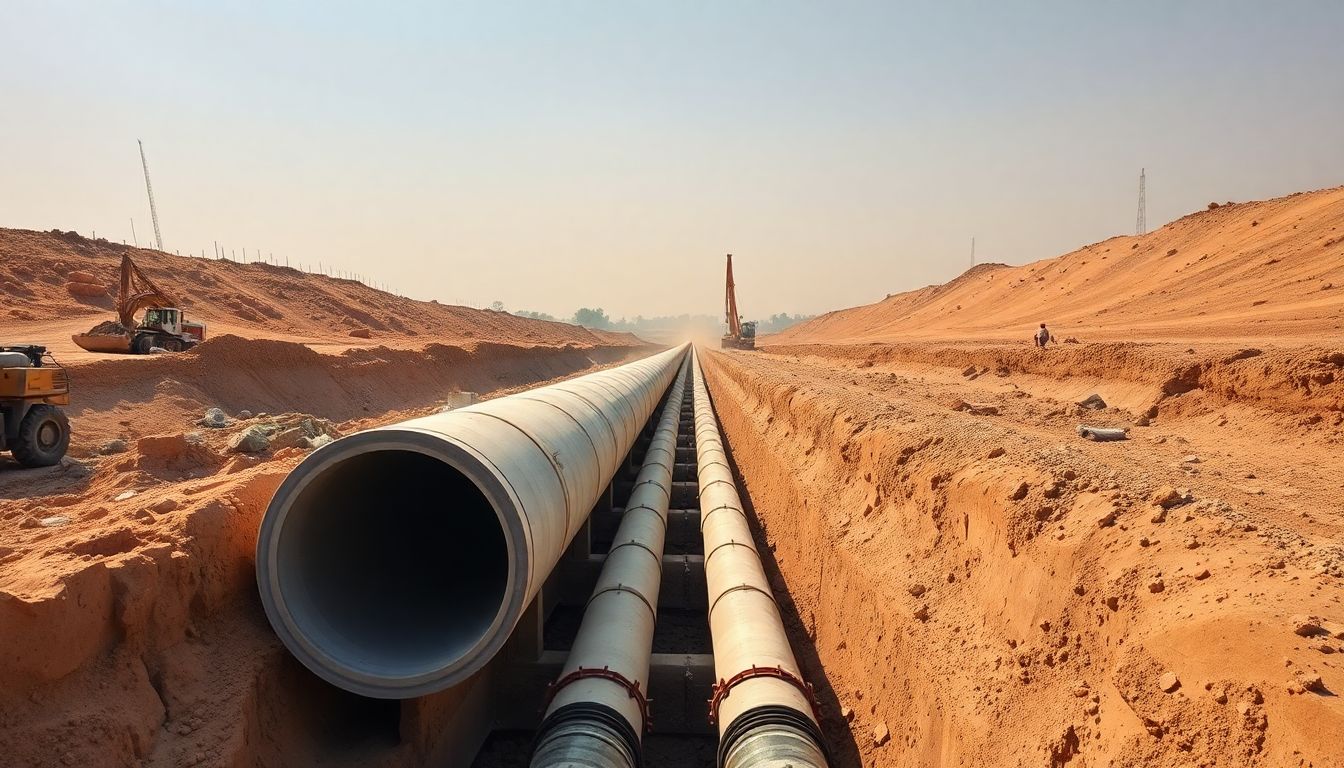
The Haryana Environment Department has completed 98 percent of a project to convert a 24,100-foot open polluting drain into a closed conduit system, which is expected to prevent industrial effluents from contaminating Delhi's freshwater supply. According to an affidavit filed before the National Green Tribunal (NGT) on June 25, the pipeline project along Diversion Drain No. 6 (DD-6) runs near the Narela border, preventing toxic waste from spilling into the freshwater drain that eventually flows to Delhi.
The project involves laying a twin conduit pipeline to cover the open channel of DD-6. This prevents the spillover of industrial effluents into Diversion Drain No. 8 (DD-8). DD-8 is a freshwater drain originating from Gohana at Mahra village, travelling 68 kilometres before terminating near Dahisara village. It carries water that is eventually treated and supplied to Delhi, making any mixing of untreated waste a serious public health risk.
While the affidavit did not specify an exact completion date for the conduit work, the flow from DD-8 has been temporarily disconnected from the Yamuna River using a raised embankment. The water from both DD-8 and DD-6 is currently being diverted through an abandoned drain downstream of Wazirabad.
A survey conducted by the Haryana irrigation department from Samalkha town in Panipat to the Narela border identified 35 discharge points. The drain was carrying 42.7 million litres per day of industrial waste despite being designed as a stormwater drain. An action plan to tap these inflows has been submitted to the NGT with a deadline of June 30, 2028.
The NGT had previously taken suo motu cognisance of the issue in July 2024 following the deaths of thousands of fish in the Yamuna River near Burari in north Delhi. Prior to this, the Delhi Jal Board had warned that improper maintenance of DD-6 was causing effluents to leach into DD-8, leading to severe winter ammonia spikes.
Ammonia spikes typically occur 15 to 22 times a year between December and March when the river's flow recedes. High ammonia levels render the water untreatable at Delhi's Wazirabad and Chandrawal water treatment plants, which together supply about 200 million gallons of water per day. Ingestion of ammonia above 1 part per million can cause organ damage in humans and is highly toxic to aquatic life.