Google and Meta tell Delhi High Court they cannot proactively block court video clips
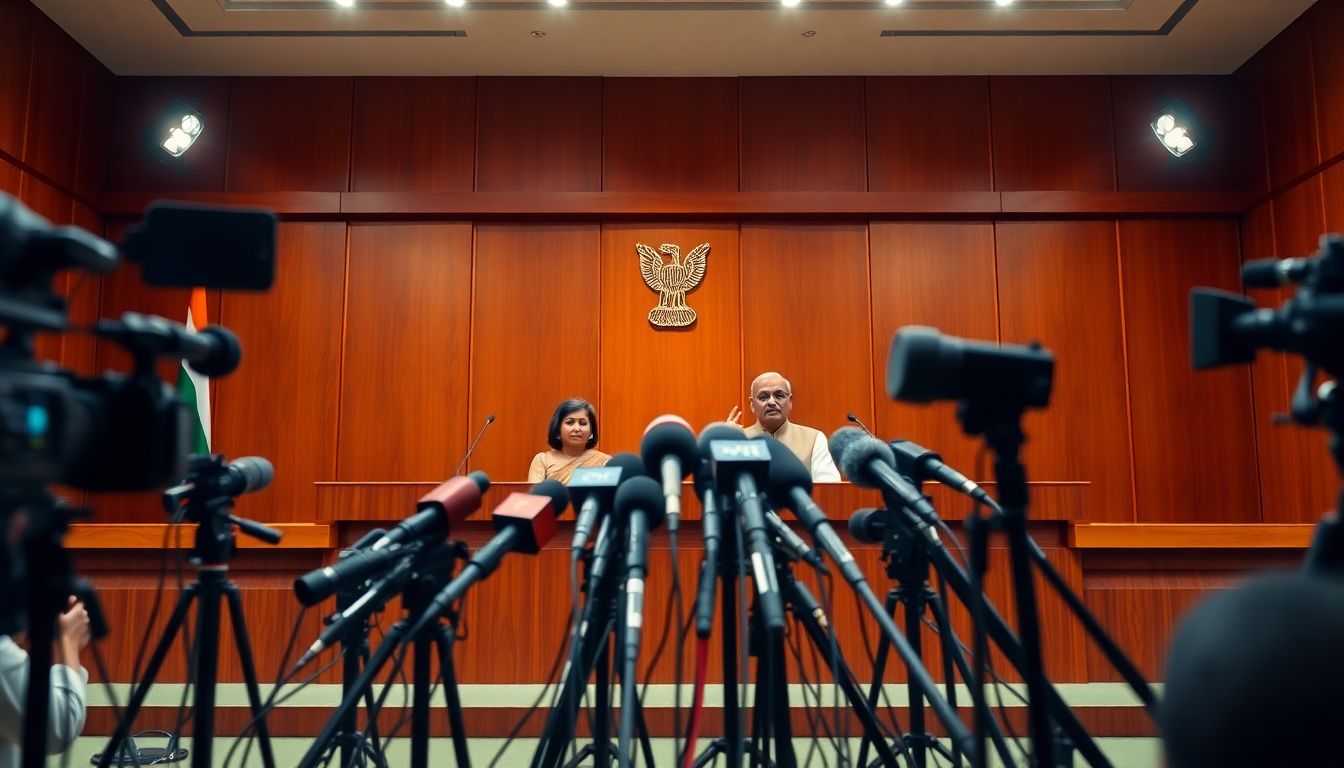
Tech giants Google and Meta have informed the Delhi High Court that they cannot proactively monitor and block unauthorized video recordings of court proceedings involving former Chief Minister Arvind Kejriwal. During a hearing on Monday, a bench of Justice V Kameswar Rao and Justice Manmeet P.S. Arora deferred the matter to August 27 as Mr. Kejriwal and other political leaders named in the petition were yet to be served.
The affidavits were filed in response to a petition by lawyer Vaibhav Singh, who is seeking contempt action against Aam Aadmi Party (AAP) leaders, including Mr. Kejriwal, Manish Sisodia, and Sanjay Singh. The petition alleges that these leaders recorded and shared video clips of court proceedings in violation of the Delhi High Court rules.
Meta, the parent company of Facebook and Instagram, stated in its affidavit that it is "impracticable (if not impossible)" to identify the contested content without specific URLs. The company noted that billions of pieces of content are posted daily on its platforms. While Meta agreed to take action against specific URLs identified by the petitioner or directed by the court, it argued that proactive monitoring would force it to act as a "super censor," which goes beyond its legal obligations.
Similarly, Google informed the court that its video-sharing platform, YouTube, receives millions of videos every hour. The company stated it is impossible to proactively monitor all uploads or determine which videos contain the court proceedings in question. Google maintained that as an intermediary, it cannot be expected to act as an arbiter of third-party claims or actively filter user content.
The case stems from an April 13 hearing where Mr. Kejriwal appeared before Justice Swarana Kanta Sharma regarding his recusal plea in the liquor policy case. The petitioner claimed that several AAP leaders and other opposition figures, including Congress leader Digvijay Singh, deliberately recorded and circulated the video online to malign the court's image.
On April 23, the Delhi High Court had reiterated that unauthorized recording and publishing of hearings is strictly prohibited, subsequently directing the social media platforms to clarify their position on removing the clips.