Ghaziabad Launches Intensive Polio Vaccination Drive After Virus Detected In Sewage
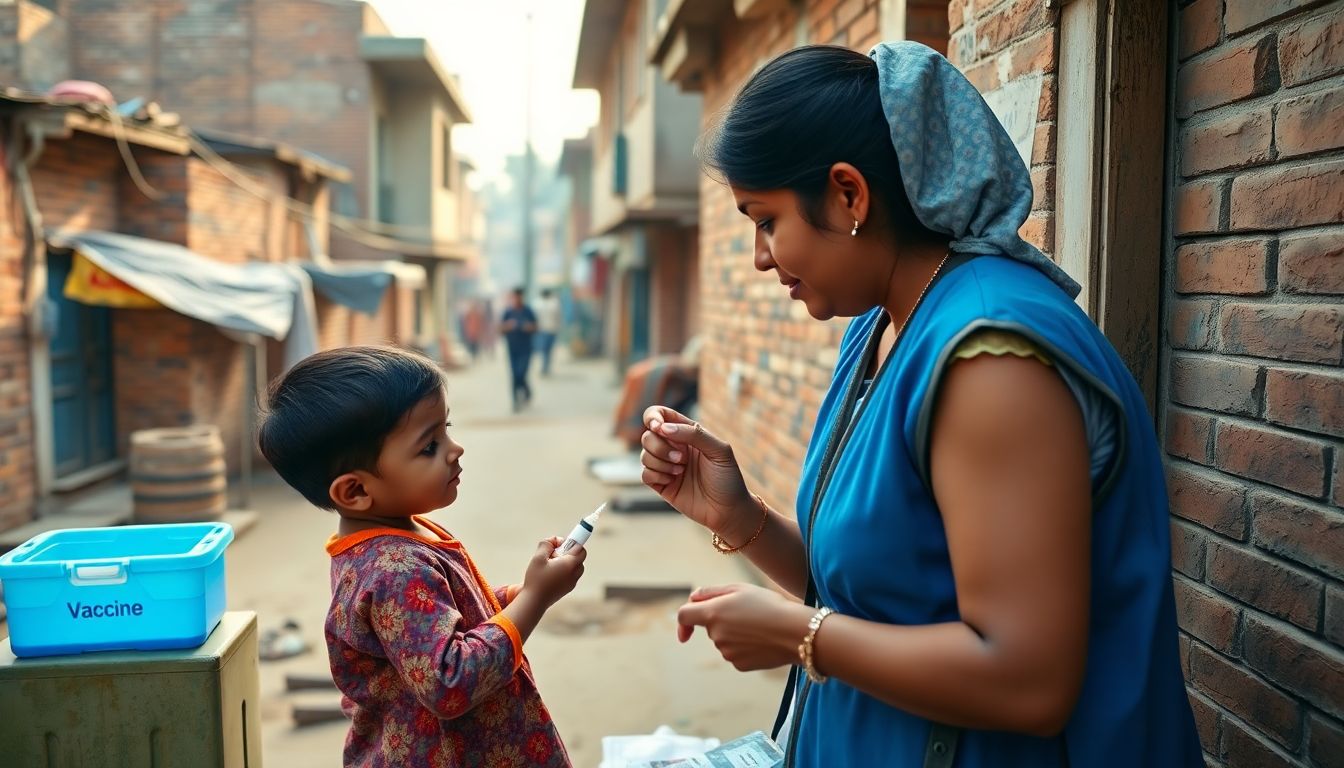
Health authorities launched an intensive door-to-door polio vaccination campaign in the Vijay Nagar locality of Ghaziabad after a sewage sample collected from the area tested positive for vaccine-derived poliovirus. Under the supervision of the National Centre for Disease Control and the World Health Organisation, health workers deployed across the densely populated neighbourhood to immunise children under five and prevent the potential spread of the virus.
The intensified campaign was initiated after a routine environmental surveillance sewage sample collected from Vijay Nagar on June 5 tested positive for a rare strain of vaccine-derived poliovirus. In response, health officials traced the local sewage network and identified 12 neighbourhoods, home to approximately 150,000 people, as high-risk areas requiring targeted immunisation efforts.
During the drive, health teams including vaccine worker Rajkumari and ASHA worker Manisha navigated through the narrow lanes, construction-site shelters, and gated apartment complexes of Vijay Nagar to ensure no child was missed. At 11:00 AM on Thursday, the team was administering oral polio drops to infants and recording details in their registers, marking locked houses for mandatory follow-up visits.
"We reviewed every area covered in the last round to make sure nothing had been missed," said Dr. Soniya Patel, the Medical Officer In-charge overseeing the campaign. "We cannot miss any child."
The campaign faced various challenges on the ground, ranging from locked homes to parental hesitation in both low-income shelters and high-rise societies like Paramount Symphony. Auxiliary Nurse Midwife Usha Yadav recounted spending 45 minutes persuading a reluctant mother to vaccinate her child, succeeding only after showing official reports of the virus detection in the local sewage.
Another vaccination worker, Amit Pal, noted that some parents refused to open doors or claimed there were no young children inside, requiring supervisors to return later for counselling. Despite these hurdles, health workers continued their efforts to reach every eligible child in the designated high-risk zones.
India was declared free of wild poliovirus in 2014, but continuous environmental surveillance of sewage systems remains active as an early warning mechanism to detect and contain potential outbreaks.