Bad Roads Waste Up to 1.5 Billion Litres of Petrol Annually, Denting E20 Efficiency
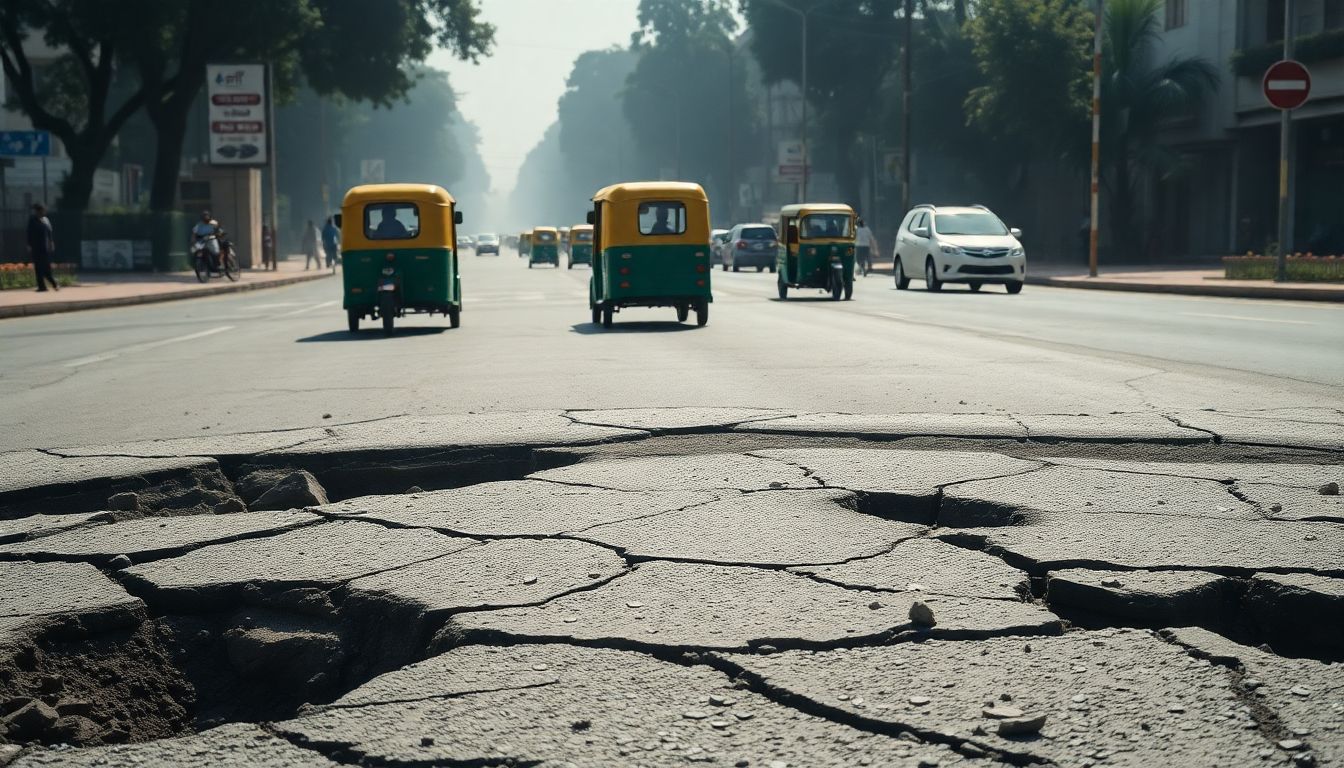
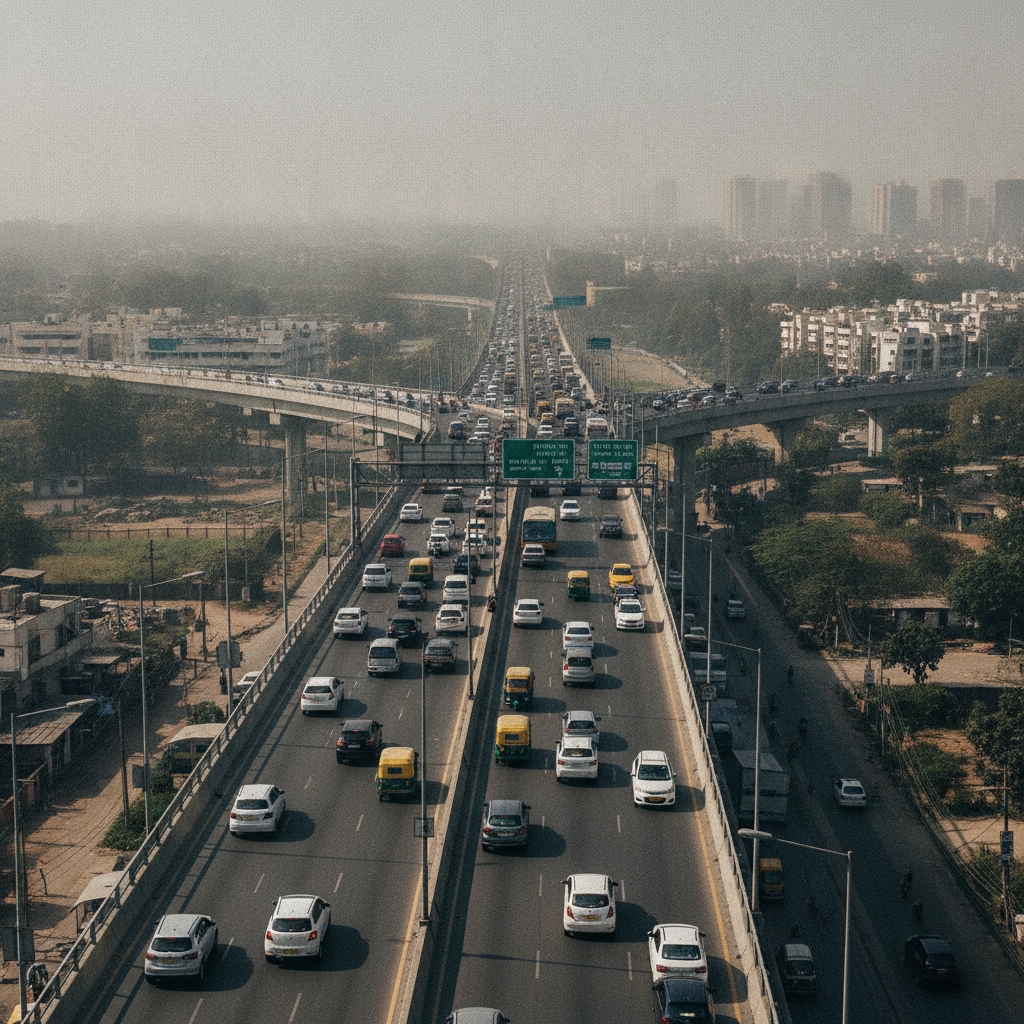
As the Indian government pushes for the adoption of E20 petrol, widespread potholes and broken roads across Delhi and other metropolitan areas are causing massive fuel wastage, silently draining millions of litres of fuel annually. This infrastructure deficit has emerged as a critical but ignored factor in the national debate over E20 fuel efficiency, as the constant cycle of braking and accelerating over damaged surfaces prevents engines from running efficiently.
The transition to E20 petrol—a blend of 20 percent ethanol with petrol—has sparked discussions among motorists regarding vehicle compatibility and a potential drop in mileage due to ethanol's lower energy content. However, experts point out that no fuel can deliver optimum mileage when burned on poorly maintained roads.
Modern engines are designed to achieve maximum efficiency at constant speeds with minimal braking. Potholes disrupt this rhythm, forcing drivers to brake hard, shift to lower gears, crawl over uneven surfaces, and accelerate again. This cycle, repeated frequently in heavy urban traffic, significantly increases rolling resistance and forces engines to work harder.
According to research by the US Transportation Research Board, pavement roughness can increase passenger vehicle fuel consumption by 2 to 3 percent. Similarly, the World Bank’s Highway Development and Management model identifies poor pavement conditions as a primary contributor to higher vehicle operating costs and fuel consumption.
With India consuming over 50 billion litres of petrol annually, even a conservative 2 percent increase in fuel consumption due to bad roads translates to a loss of 1 billion litres of petrol each year. At an average retail price of Rs 95 per litre, this costs Indian motorists Rs 9,500 crore annually. A 3 percent penalty increases the loss to 1.5 billion litres, or Rs 14,250 crore. Some estimates suggest that rough roads may waste 8 to 10 billion litres of combined petrol and diesel annually across the country's 350 million registered vehicles.
Beyond fuel waste, the financial toll includes vehicle damage. Hitting potholes ruins suspension systems, shock absorbers, tyres, and wheel alignment, forcing vehicle owners to pay for avoidable repairs. For commercial carriers, these delays and maintenance costs drive up logistics expenses, which are ultimately passed on to consumers.