Delhi proposes ban on new ICE three-wheelers by 2027 and two-wheelers by 2028
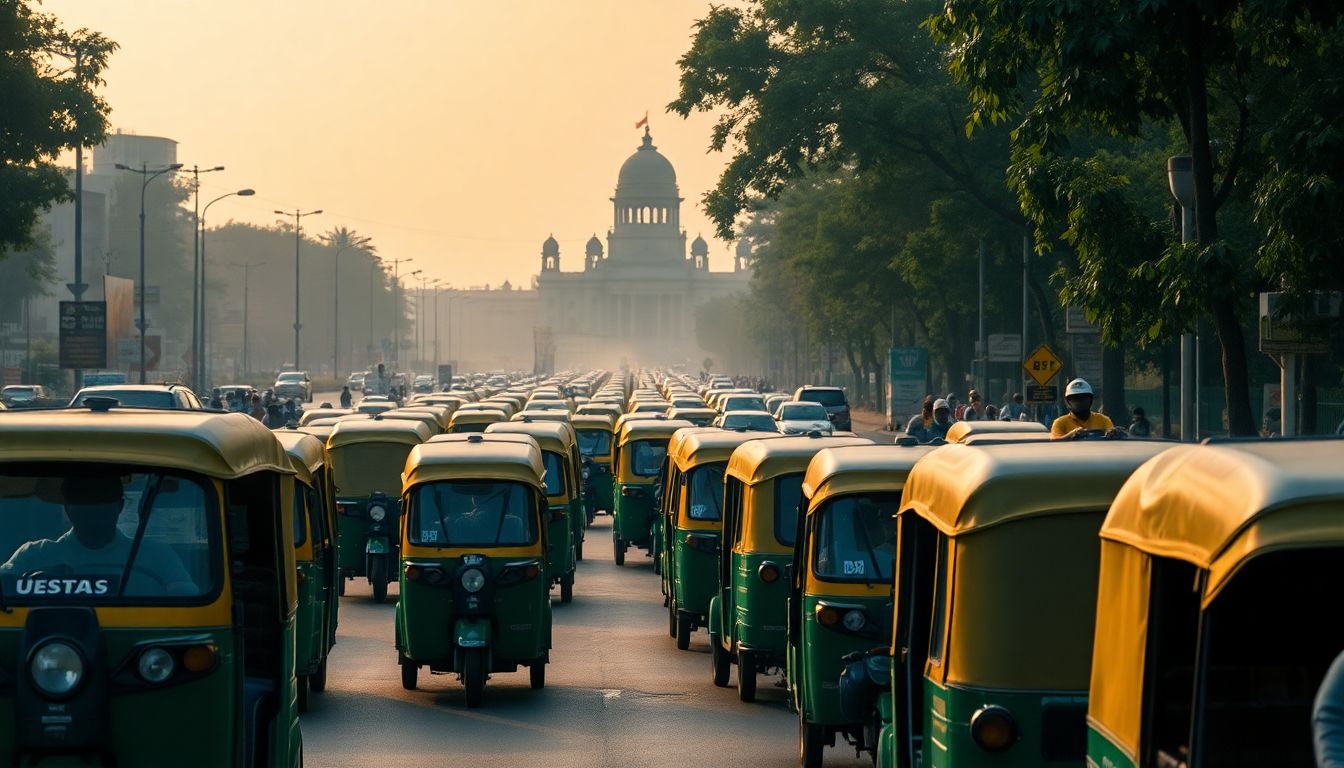
The Delhi Government has proposed a revised draft EV Policy that plans to completely ban the registration of new internal combustion engine (ICE) three-wheelers from January 1, 2027, and ICE two-wheelers from April 1, 2028. Issued in early April for stakeholder consultation, the draft policy aims to significantly accelerate transport electrification across Delhi to combat the city's hazardous winter air pollution.
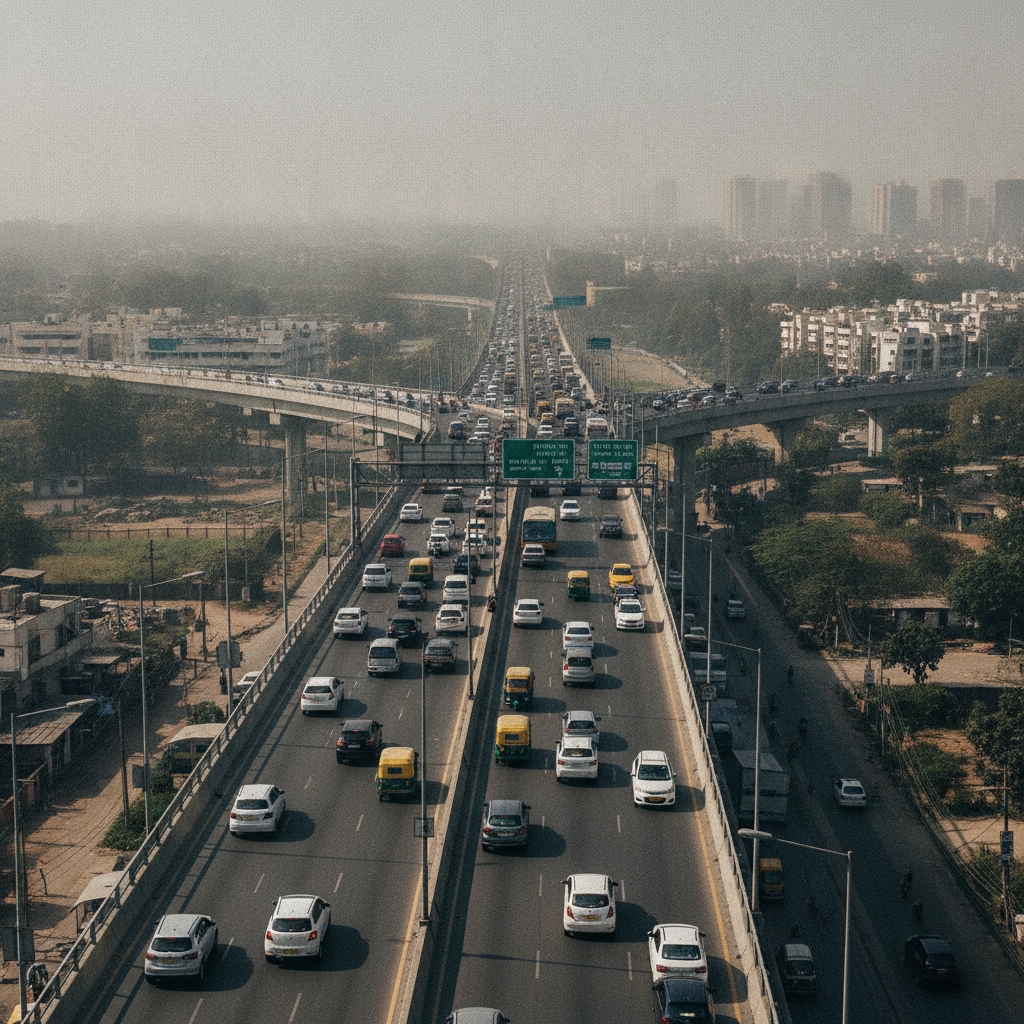
According to estimates by the Commission for Air Quality Management (CAQM), vehicular emissions contribute approximately 23% of Delhi's winter air pollution. The government is targeting two-wheelers specifically because they make up an overwhelming 67% of Delhi's registered vehicle stock.
The draft policy also proposes electrification mandates for other polluting segments, including a target of 30% electrification for school buses by 2030, alongside mandates for fleet aggregators, delivery services, and government transport fleets.
However, the proposals have faced pushback from automobile manufacturers and industry bodies, such as the Society of Indian Automobile Manufacturers (SIAM). During stakeholder consultations, manufacturers expressed reservations about their ability to scale up electric vehicle production within the tight timelines. They argue that the market is not yet ready, as high EV prices cannot currently compete with ICE vehicles due to a lack of economies of scale.
Infrastructure limitations are another major concern raised by stakeholders. A 2024 study by the Institute for Energy Economics and Financial Analysis (IEEFA) revealed that 84% of surveyed public charging stations in Delhi were non-functional due to maintenance issues, theft of equipment, and unreliable power supply. Additionally, Resident Welfare Associations and apartment complexes remain hesitant to permit community charging stations.
Other challenges highlighted by the industry include a lack of competitive financing for electric light commercial vehicles, poor after-sales service, declining resale values of used EVs, high battery replacement costs, and India's reliance on imported battery technologies, which are heavily concentrated in China.
Automobile manufacturers have urged for a more market-led transition driven by demand-side incentives, similar to the 2020 EV policy and central schemes like PM E-DRIVE. Conversely, supporters of the draft policy argue that strict regulations are necessary to push the industry forward and protect public health by cleaning Delhi's air.
Think tanks and critics have also raised concerns about the impact on the informal sector, noting that Delhi's vast network of small, independent after-sales service providers will need government-mandated reskilling programmes and financial support to transition from ICE to EV technology within the two-year window.