Delhi Night Heat Stress Rises as Concrete Traps Heat at ITO and Across NCR
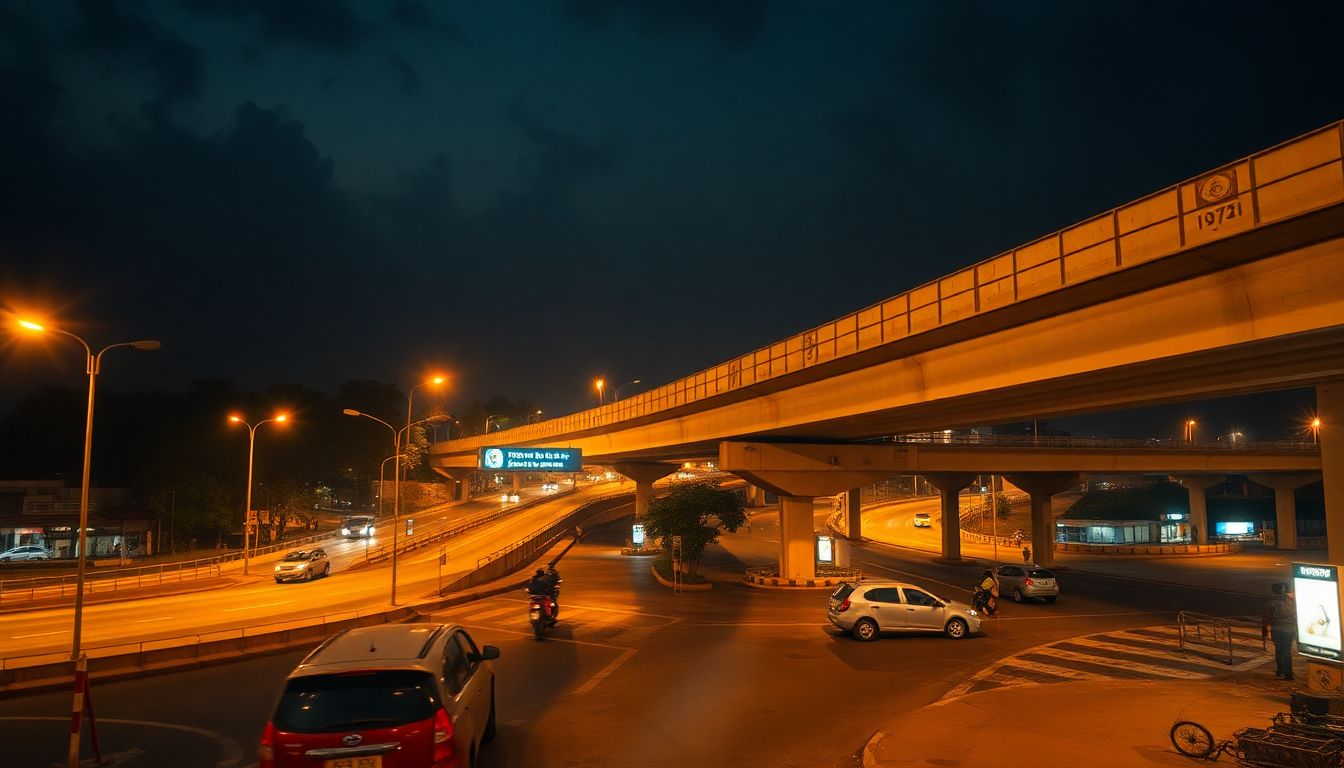
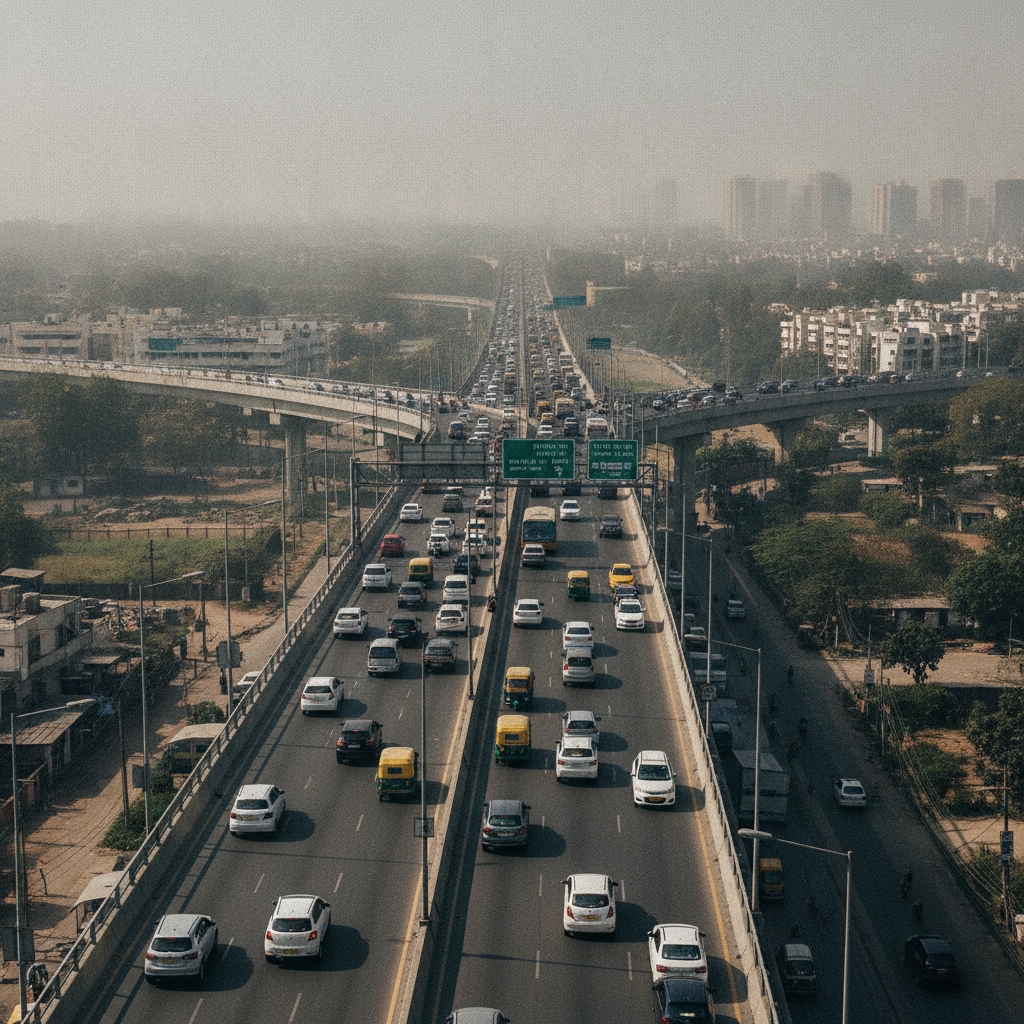
During recent summer heatwaves, rising nighttime temperatures across Delhi and the National Capital Region (NCR)—particularly around highly concretised areas like ITO in Delhi—have triggered widespread sleep deprivation and severe health risks. According to environmentalists and medical experts, the rapid expansion of concrete infrastructure is trapping daytime heat and preventing urban areas from cooling down after sunset.
The phenomenon, known as the urban heat island effect, means densely built regions remain significantly hotter than surrounding areas. India Meteorological Department (IMD) director Mrutyunjay Mohapatra explained that concrete structures absorb heat during the day and release it slowly at night, preventing proper cooling after sunset. He noted that walking at ITO on a midsummer afternoon can feel like 45 degrees Celsius when the atmospheric temperature is 40 degrees Celsius due to the heat generated by glass and concrete surroundings.
This lack of nighttime cooling has severely impacted local residents. Shantanu, a communications executive in his mid-40s who lives in an NCR housing society, described spending half the night trying to sleep and waking up at odd hours during recent heatwaves, experiencing "real feel" temperatures nudging 50 degrees Celsius.
A study by research organisation Climate Trends revealed that Delhi now experiences six extra very warm nights per summer. Additionally, Delhi’s summers have become increasingly uncomfortable due to an almost 9% rise in relative humidity over the last decade.
Medical professionals warn that this nighttime heat stress is evolving into a public health emergency. Dr. Yadav explained that sweating through the night causes people to lose fluids and wake up dehydrated. The heart must work harder to maintain body temperature, which can lead to heatstroke—a life-threatening emergency that can cause confusion, seizures, and multi-organ damage.
Dr. KK Talwar, chairman of the PSRI heart institute and former head of cardiology at AIIMS Delhi, added that high nighttime temperatures elevate the pulse rate. This puts an extra burden on the heart, making the elderly and those with underlying cardiac problems particularly vulnerable.
Delhi University Professor Emeritus CR Babu noted that the city has steadily replaced natural ecosystems with "concrete jungles." He explained that while soil retains moisture and supports evaporation-based cooling, concrete surfaces and paved road shoulders absorb and slowly release heat. Professor Babu also criticised current compensatory afforestation practices, stating that planting trees far away from the urban areas where they were cut does nothing to regulate the city's local climate.