Delhi High Court Lawyers Suspend Strike Over Proposed Jurisdiction Hike
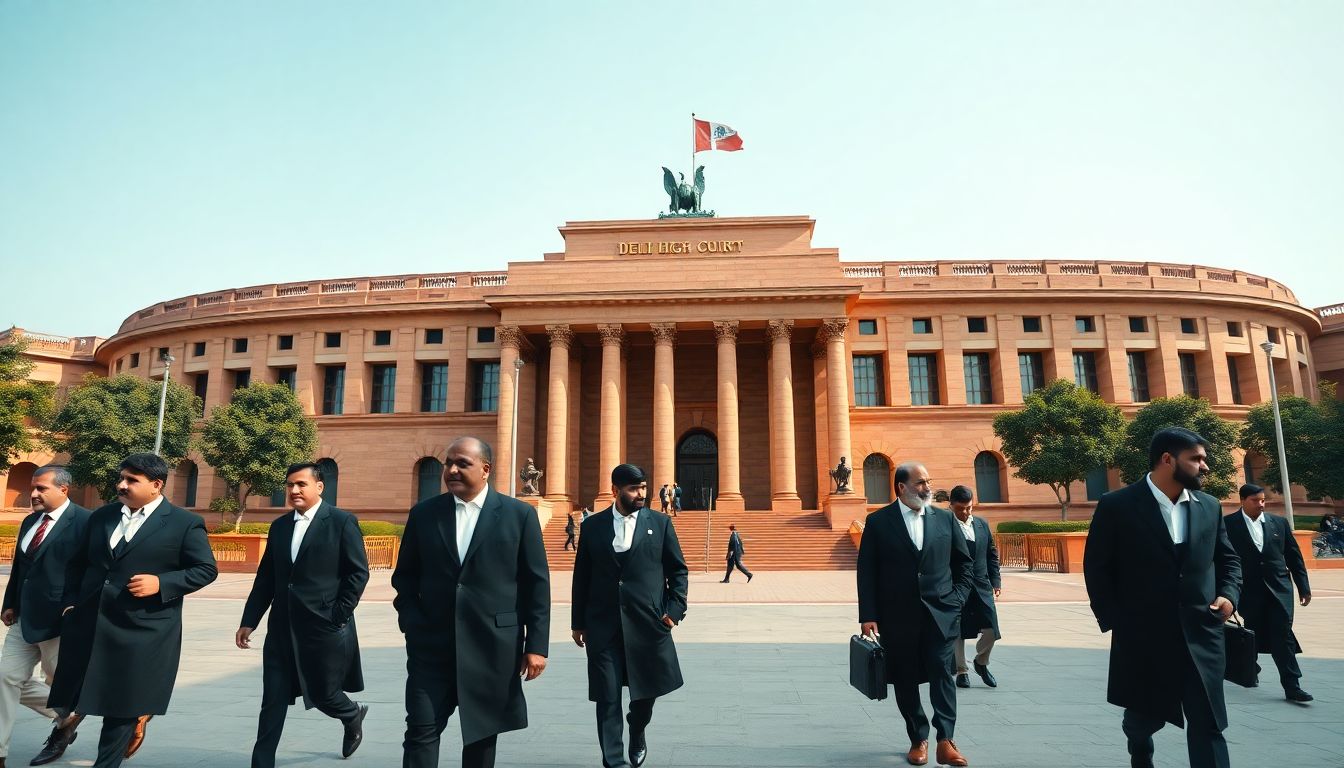
The Delhi High Court Bar Association (DHCBA) on Thursday suspended its strike protesting a proposal to increase the pecuniary jurisdiction of Delhi's district courts. Lawyers at the Delhi High Court had abstained from work for three consecutive days starting July 14, but called off the protest following a meeting with Union Law Minister Arjun Ram Meghwal.
Pecuniary jurisdiction refers to the monetary limit on a court's authority to hear a case. The current proposal seeks to raise this limit for Delhi's district courts from the existing Rs 2 crore to Rs 10 crore. High Court lawyers, particularly those specializing in intellectual property (IP) law, have raised significant concerns over the proposed change.
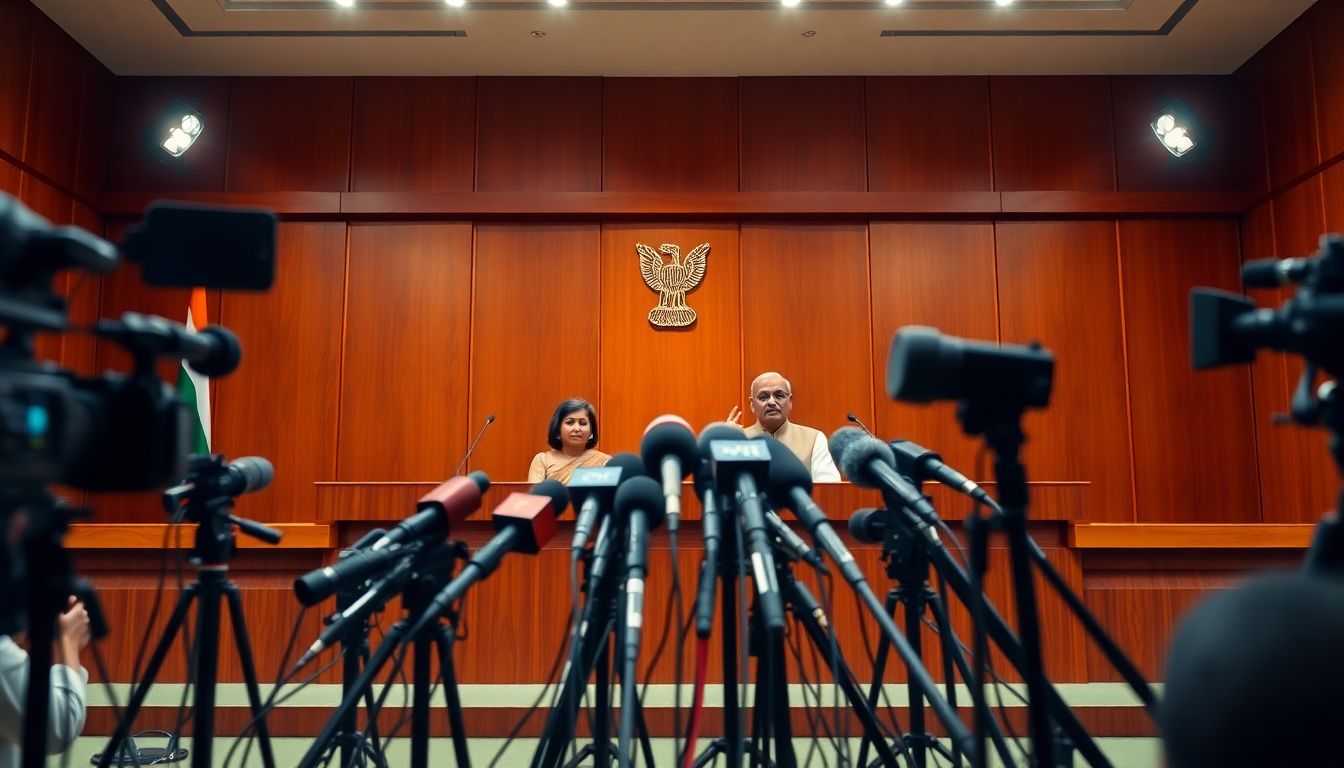
In addition to meeting the Union Law Minister, the DHCBA received assurances from Chief Justice DK Upadhyaya that their concerns, which were submitted as a representation, would be considered.
Despite the suspension of the strike, IP lawyers continue to flag several issues. They argue that raising the pecuniary jurisdiction could create a multiplicity of forums for IP litigation and lead to practical asymmetry in accessing IP enforcement between the High Court and district courts. Critics also point out a lack of specific data on IP-related litigation to justify the hike.
Senior advocate Swathi Sukumar stated that the justification for the hike is arbitrary because there is no data assessing the appreciation of intellectual property value in court suits, unlike commercial matters involving real estate.
Furthermore, senior advocate J Sai Deepak noted that the High Court's proposal report has not been shared with the Bar. He stated that the Bar has not been given access to the opinion of the full court, which included dissents from several judges. He called for a reconsideration of these dissenting points before the report is officially handed over to the government.
While the DHCBA had previously submitted its opinion in writing to the full court, several senior advocates highlighted a lack of an in-depth consultation process with various stakeholders within the Bar regarding these changes.