Delhi HC Upholds DU Rs 1-Lakh Indemnity Rule for DUSU Candidates
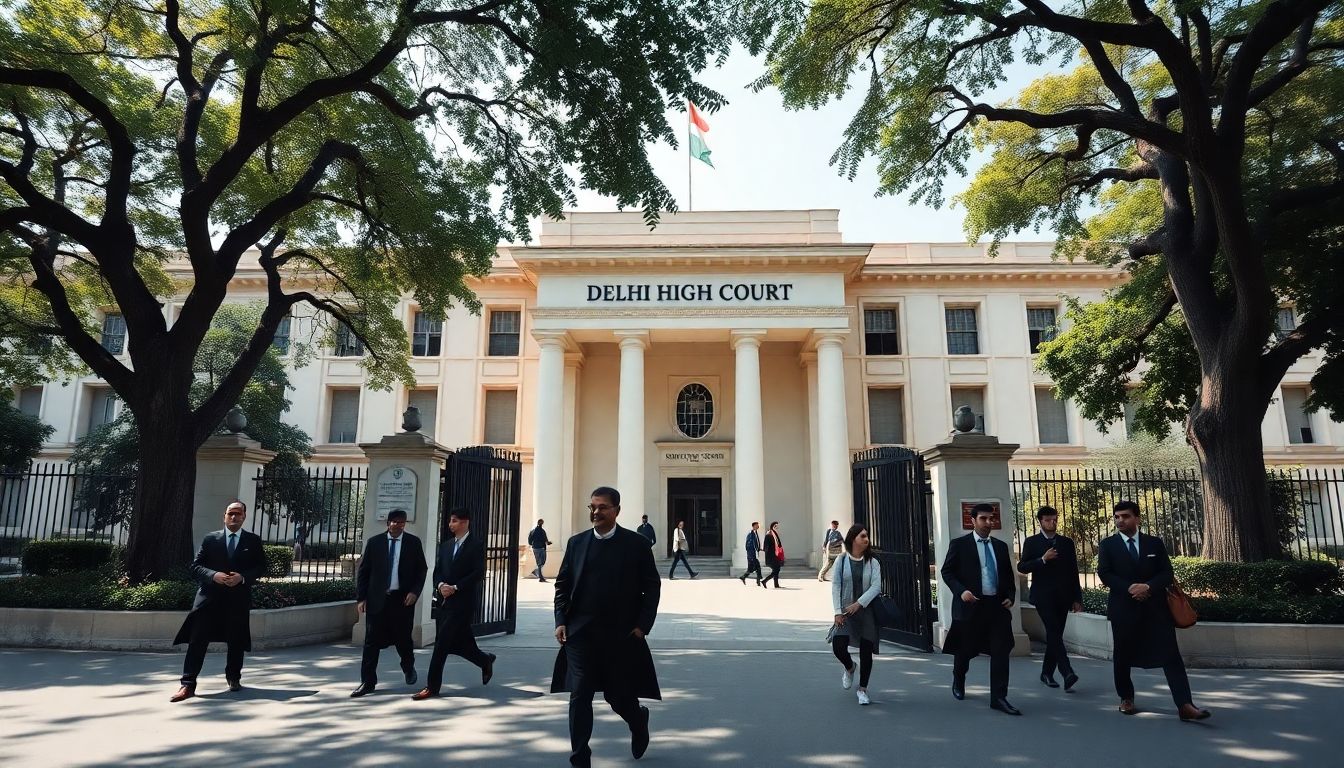
The Delhi High Court on Thursday declined to interfere with Delhi University's requirement that candidates contesting the Delhi University Students' Union elections provide a Rs 1-lakh indemnity bond. The court, however, clarified that anyone in a position to pay Rs 1 lakh can stand as surety, rather than restricting the role strictly to parents.
The order came in response to a petition filed by activists from the All India Students’ Association. The student group had moved the high court to challenge an affidavit prescribed by the DUSU election committee, which required contesting candidates to obtain the consent and financial surety of their parents or legal guardians.
Justice Jasmeet Singh observed during the hearing that the mandatory requirement has merit given the conditions seen during campus campaigning. The court noted that election periods frequently become chaotic and result in a pitiable condition on walls across colleges, justifying safeguards against property defacement.
Addressing the scope of the surety requirement, Justice Singh observed that the condition remains fair and reasonable provided it is not restricted to family members. The court stated that candidates do not need to rely solely on parents, and that anyone possessing the necessary financial means can provide the payment guarantee.
Delhi University informed the court that the rule is not new, having been enforced during the 2025 elections without changes for the current cycle. Counsel representing the university argued that the provision was instituted specifically to prevent damage to institutional infrastructure and college walls.
Under the affidavit terms, candidates must provide an undertaking to indemnify the university or their college by paying up to Rs 1 lakh for any violations of election guidelines. The All India Students’ Association had argued that mandating parental consent infringed upon the autonomy of adult students and could restrict eligible candidates from contesting.