Delhi EV Policy 2026 faces scrutiny from experts and users over infrastructure gaps
On Tuesday in New Delhi, transport experts and electric vehicle (EV) users welcomed the newly approved Delhi Electric Vehicle (EV) Policy 2026 but raised concerns regarding its implementation challenges, including charging infrastructure gaps and the impact on low-income commuters. The reactions came a day after Delhi Chief Minister Rekha Gupta unveiled the policy, which commits Rs 15,000 crore over four years to promote electric mobility and offer subsidies.
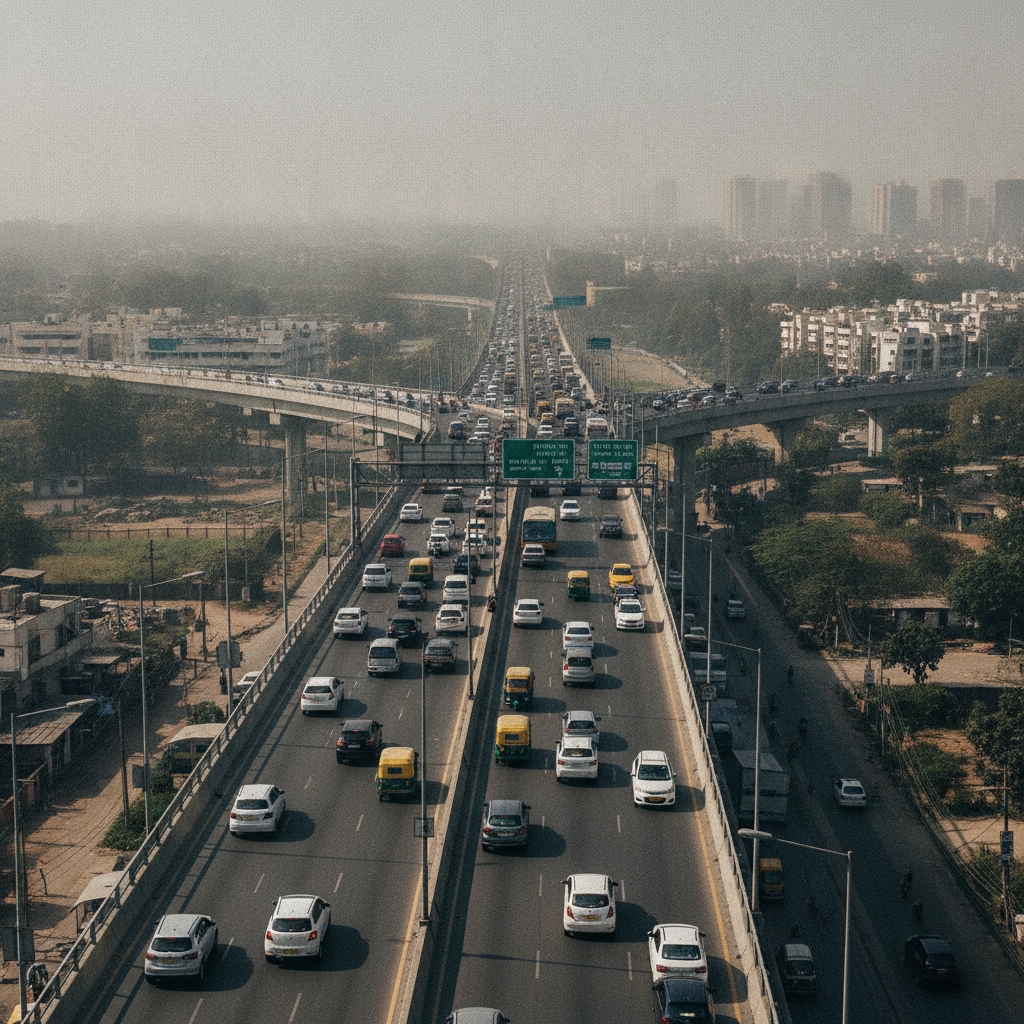
The newly approved policy introduces a three-year lock-in period, preventing subsidy beneficiaries from registering their EVs outside Delhi during that time. It also mandates that only electric three-wheelers will be registered in the capital from January 1, 2027, and only electric two-wheelers from April 1, 2028. The move aims to significantly reduce transport emissions, particularly with nearly 16,900 trucks entering the city daily.
While the policy aims to curb emissions, residents and experts highlighted several practical hurdles. Prospective EV buyer B S Vohra noted that while EVs reduce tailpipe emissions like nitrogen oxides, they are unlikely to dramatically reduce Delhi’s PM 2.5 levels on their own. He stated that pollution from road dust, construction, industries, and waste burning must also be addressed.
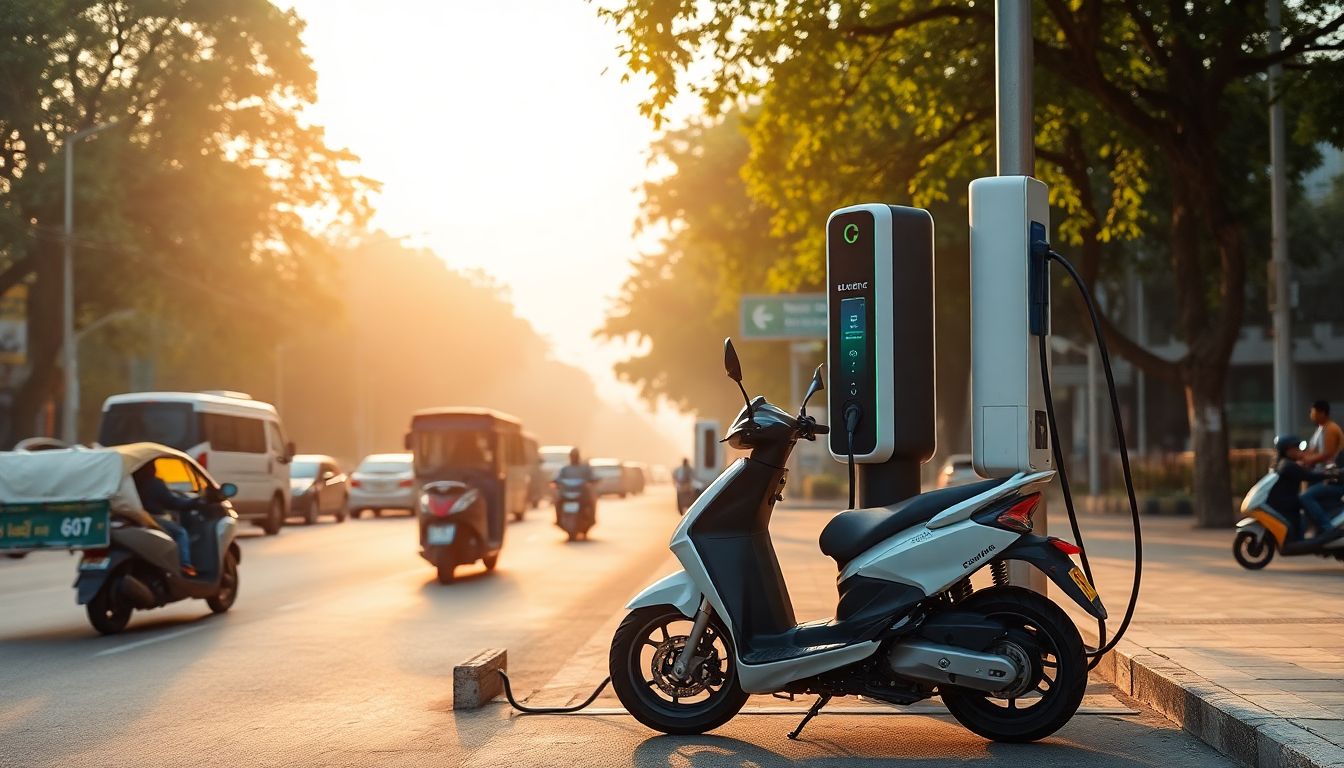
Electric car owner Purshottam Kalra pointed out that charging remains a barrier. He urged the Centre to introduce a universal EV charging card that works across all public stations, noting that relying on multiple mobile apps creates difficulties for senior citizens and drivers without smartphones.
Former transport commissioner Anil Chhikara raised concerns over the 2030 deadline for replacing school and contractual buses with EVs. He stated this timeline is unfair to operators who bought BS-VI buses in 2024-25, which have a 15-year lifespan. Chhikara also warned that the 2028 mandate for electric two-wheelers could hurt low-income households lacking home-charging facilities, suggesting that public charging must expand into resettlement colonies.
S P Singh, senior fellow and coordinator at the Indian Foundation of Transport Research and Training, argued that the policy overlooks heavy commercial vehicles. He recommended incentives for CNG and LNG commercial vehicles, scrappage support for older diesel trucks, and the establishment of a joint Delhi-NCR clean-fuel task force to address inadequate grid infrastructure.