Delhi Begins 7-Million Sapling Aranya Forest Drive at Picnic Hut Park and Tehkhand
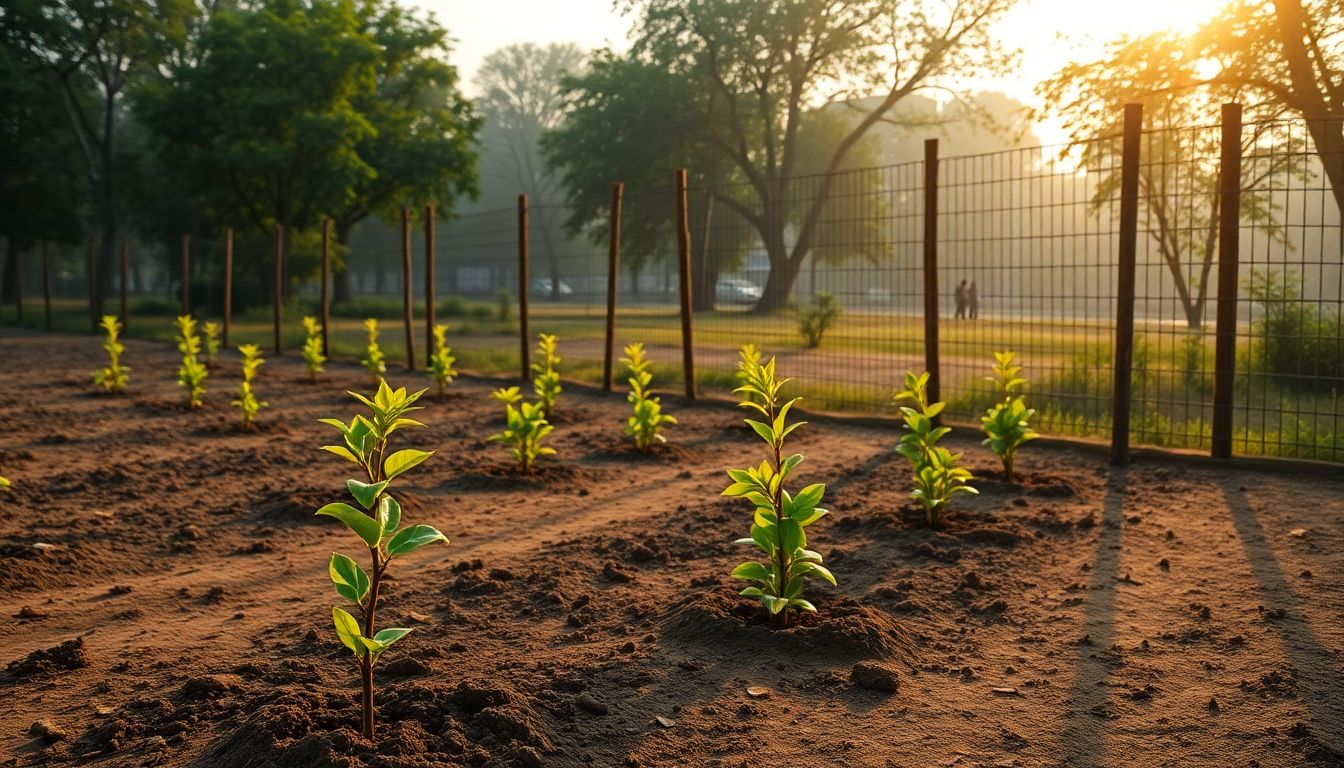
The Delhi government has commenced a major afforestation drive to plant more than seven million saplings across the capital using the "Aranya dense forest technique," with initial site preparations starting at Picnic Hut Park and Tehkhand Phase-I. As part of the rollout, the Delhi Development Authority (DDA) has floated tenders to fence these specific plantation sites to secure the newly introduced vegetation.
The fencing project, which is estimated to cost ₹27.99 lakh, is scheduled to be completed within 45 days. The protective work includes installing GI wire mesh fencing supported by wooden ballies, made of eucalyptus logs, to safeguard the newly planted saplings from grazing, vandalism, and accidental damage during their initial years of growth.
Unlike conventional avenue plantations, the Aranya technique involves planting saplings close together to recreate the structure of a natural forest. This high-density model prompts natural competition among the plants to accelerate their growth, eventually creating dense, low-maintenance green patches. As the vegetation matures, fallen leaf litter will form a natural mulch that helps retain soil moisture, reduces the need for frequent irrigation, and gradually suppresses weed growth.
To ensure the long-term success of the drive, the Delhi government will geo-tag every sapling. This digital monitoring system will allow authorities to track survival rates and maintain detailed records of every plantation site and sapling. A senior Delhi government official confirmed that if any plant does not survive, it will be replaced during the project's designated maintenance period.
The layered plantation model replicates a natural ecosystem by incorporating three distinct tiers of vegetation: tall canopy trees, medium-sized trees, and shrubs or undergrowth. Officials stated that using native species suited to Delhi’s climate will improve ecological resilience, reduce dependence on a single species, and establish habitats for birds, insects, and other fauna. The drive is part of a broader strategy to expand the city's green cover through scientific planting methods.