Legacy of American Architect Joseph Stein Celebrated Across New Delhi Landmarks
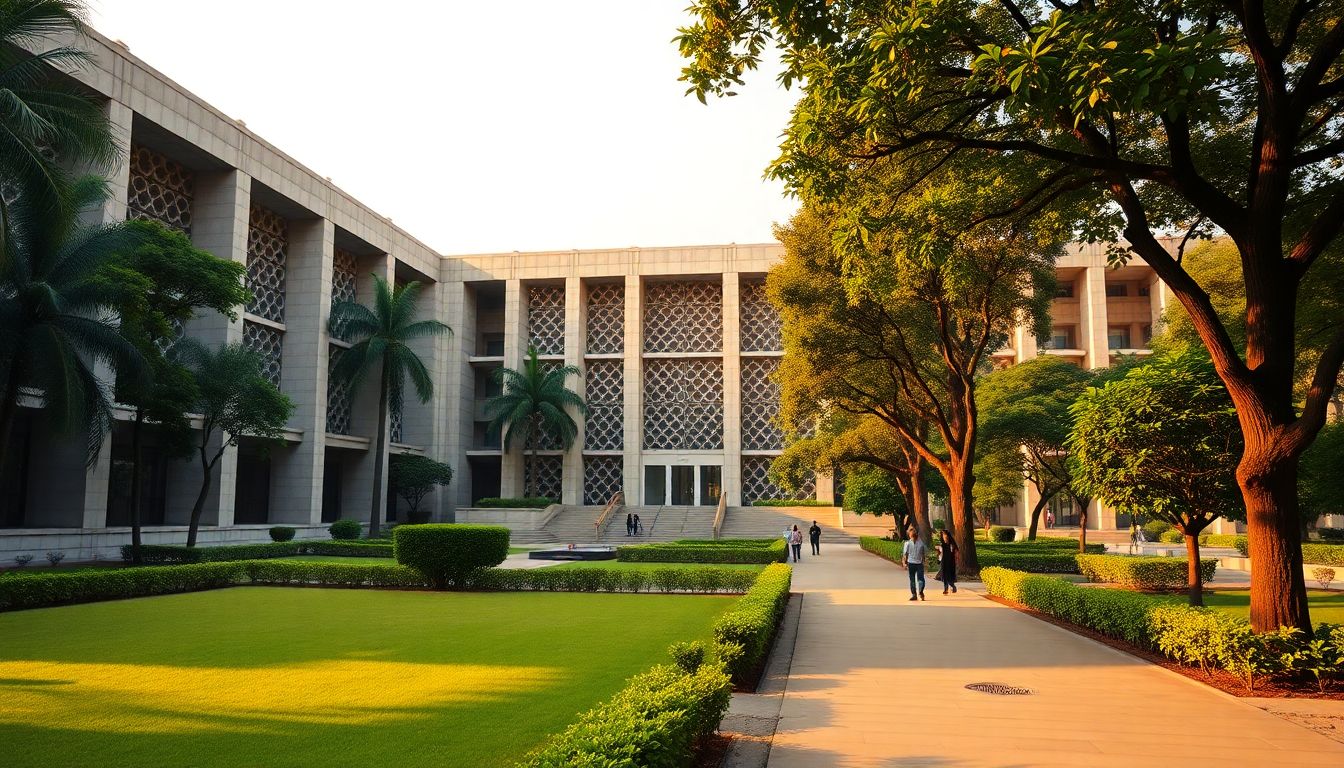
The architectural legacy of American architect Joseph Stein, who profoundly shaped post-independence Delhi's landscape, is being highlighted for his unique designs near Lodhi Garden and other historic parts of the capital. Stein, who passed away 25 years ago, established his first office on Asaf Ali Marg in the late 1950s. He became renowned for creating public buildings that harmonized concrete with natural elements to mitigate the city's harsh climate.
Unlike traditional monumental structures in the capital, Stein's designs sought to put Delhi residents at ease rather than intimidate them. He routinely integrated trees, gardens, shade, and water into his structures. His architectural philosophy utilized light, shadow, and shade as essential raw materials, allowing sunlight to filter through jaali screens along the walls to diffuse into a softer, less harsh glow.
This design approach is highly visible at Triveni Kala Sangam, which was Stein's first major landmark in the capital. The building features staircases, terraces, corridors, and courtyards that continually readjust the experience of daylight as it changes over the course of the day. His other celebrated works include the India International Centre and several structures around Lodhi Garden, where a pathway linking Max Mueller Marg to the garden has been named Joseph Stein Lane in his honor.
While some mistakenly associate Stein with the US Embassy, which was designed by a different American architect, his actual footprint is found nearby at the Australian High Commission.
His final major project in the city, the India Habitat Centre, stands out from his earlier works due to its massive scale. While Stein's previous buildings focused on keeping people at the center of the experience, the vast scale of the Habitat Centre appears to dominate the individual, representing a shift in his late-career architectural direction before his passing.