DDA Retains GDA Policy to Allow Commercial Growth in 70 Delhi Villages
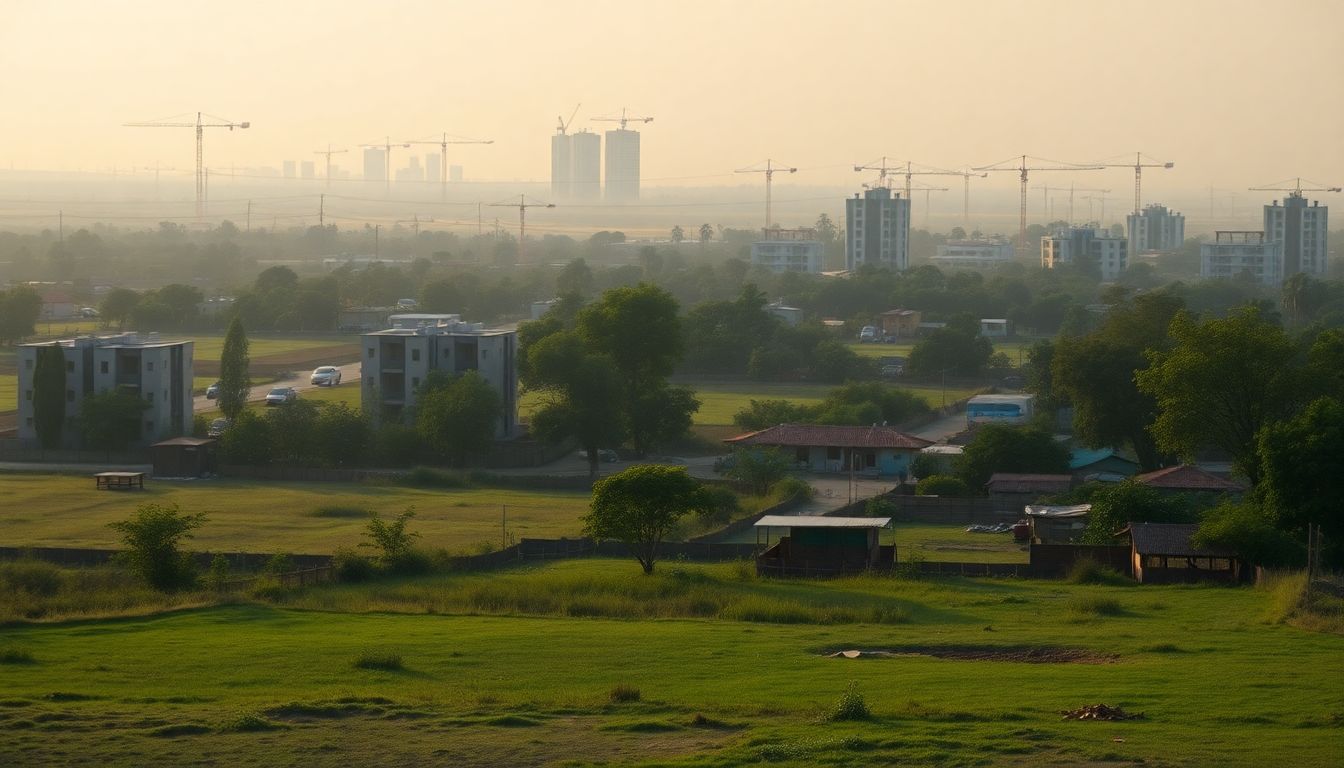
The Delhi Development Authority (DDA) has retained the Green Development Area (GDA) framework in its final Master Plan for Delhi-2047, opening up around 70 villages on Delhi's periphery to regulated commercial and institutional development, officials aware of the matter said on Wednesday.
The framework merges 47 peripheral villages previously subject to strict construction restrictions with 23 villages governed by the Low Density Residential Area (LDRA) policy. By permitting higher Floor Area Ratio (FAR) and vertical development, the policy aims to enable commercial growth along Delhi's border similar to development in satellite towns such as Noida and Gurugram.
First proposed in the draft Master Plan for Delhi-2041, the GDA policy defines the green belt as agricultural land along the border extending up to one peripheral revenue village boundary. The LDRA component covers 23 identified villages in urban extensions with concentrated farmhouses. Officials stated that the updated plan focuses on vertical redevelopment rather than horizontal expansion due to limited land availability in urbanised parts of Delhi.
Under the policy, land parcels will be divided into three minimum size thresholds: 600 square metres, 4,000 square metres, and 10,000 square metres. Development intensity will increase with plot size. The smallest parcels will host agricultural and horticultural activities, medium plots will accommodate farmhouses, open markets, and sports facilities, and the largest parcels will allow non-polluting work centres, higher education institutions, research facilities, and convention centres.
The framework mandates that 25% to 35% of each area be maintained as green space. To ensure seamless infrastructure, the DDA is considering minimum road widths of 12 metres, 18 metres, and 30 metres within and around the GDA zones. The policy also aims to generate green jobs and create an environmental buffer against urban heating, air, and noise pollution.
Bhupendra Bajad, chairman of the Dilli Dehat Vikas Manch, stated that the plan is intended to create over 20 lakh jobs and generate over ₹30 lakh crore in investments, emphasizing that fast implementation and fair compensation for farmers are crucial following an 18-year wait by local residents.