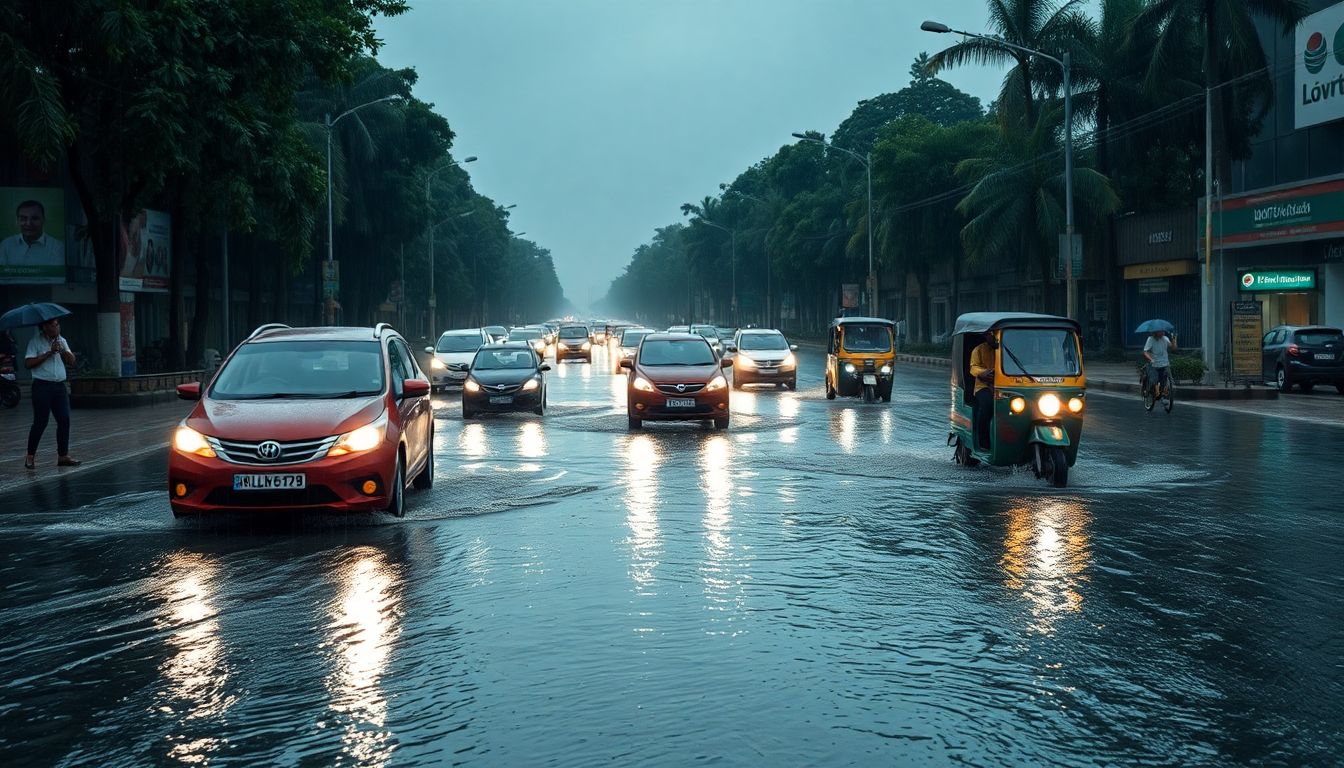
CM Rekha Gupta inspects Shalimar Village drainage as heavy rain hits Delhi

On Thursday, Delhi Chief Minister Rekha Gupta and Public Works Department (PWD) Minister Parvesh Sahib Singh inspected drainage systems and waterlogging hotspots in Shalimar Village and the PWD Monsoon Control Room following heavy rainfall across the capital. The inspection came as parts of Delhi recorded over 100 mm of rainfall in 24 hours, prompting authorities to cancel the leaves of all PWD engineers and place personnel on high alert to manage the monsoon situation.
During the field visit, Chief Minister Gupta inspected the drainage arrangements in Shalimar Village, her assembly constituency, and directed officials to ensure proper water drainage. Meanwhile, PWD Minister Singh reviewed the waterlogging situation from the 24x7 PWD Monsoon Control Room, monitoring live CCTV feeds and assessing field operations.
According to PWD officials, the department received approximately 40 complaint calls related to waterlogging on Thursday, bringing the total to nearly 120 public calls over a 48-hour period. Officials reported that waterlogging was cleared within 15 to 30 minutes in most cases, depending on the intensity of the rainfall and local site conditions.
A senior PWD official noted that the number of complaints was relatively lower compared to previous years, when a few hours of rain would typically generate over 100 calls a day. The official attributed this improvement to strict orders, comprehensive monsoon planning, and the cancellation of engineer leaves to ensure all teams remain on the ground.
Minister Singh highlighted that despite several parts of Delhi recording more than 100 mm of rainfall, historically vulnerable waterprone locations did not experience major traffic disruptions. Areas such as Minto Bridge, Zakhira, Dhaula Kuan, and Moolchand remained clear, as did stretches like the Ring Road, ISBT, Tilak Marg, and Indraprasth Estate, which faced flooding in 2023 and 2024.
To manage the monsoon, the PWD has identified 45 waterlogging-prone locations, including major underpasses, which are monitored in real time using 179 CCTV cameras connected to the central control room. The department has also deployed 754 permanent pumps at 167 locations and 305 temporary pumps at 273 locations across Delhi.