CAG Flags Declining Capex and Rising Subsidies in Delhi Assembly
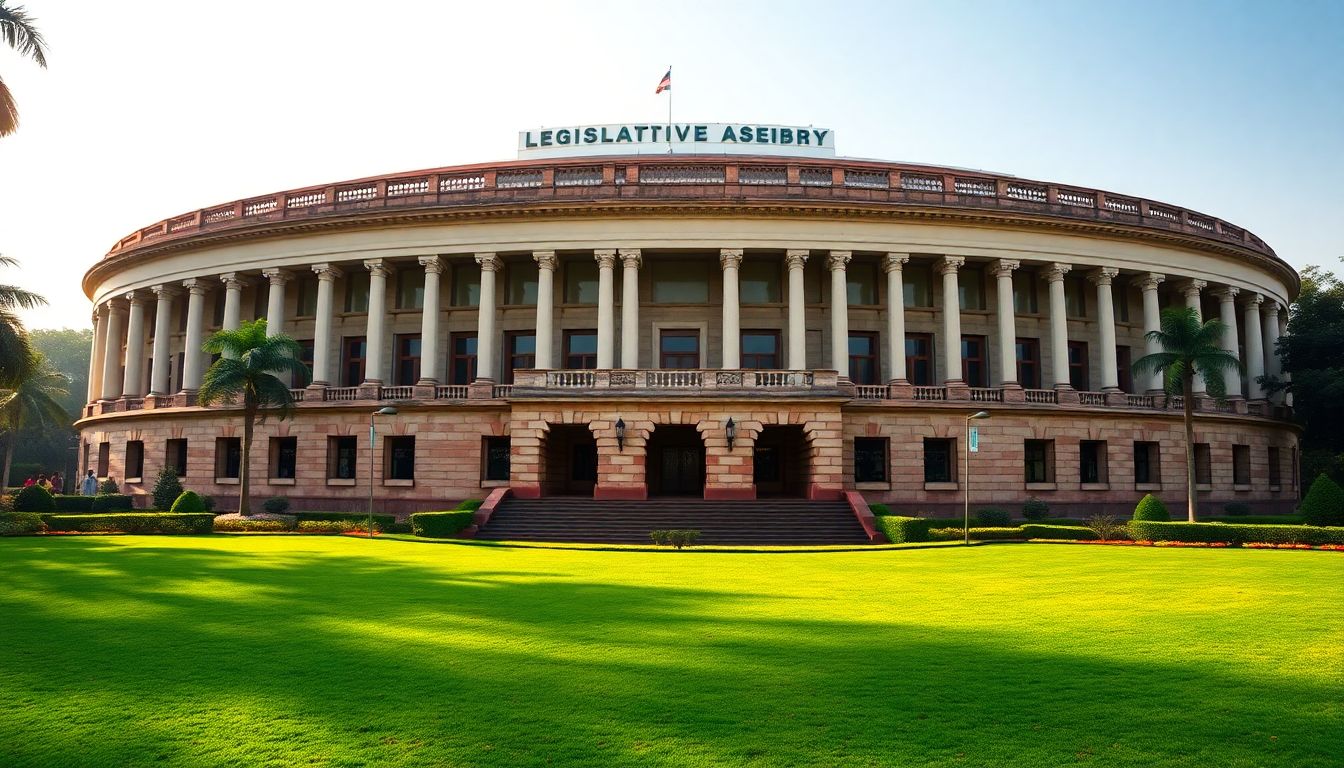
Chief Minister Rekha Gupta tabled the Comptroller and Auditor General (CAG) report on state finances for 2024-25 in the Delhi Assembly on Monday, the second day of the monsoon session. The report flagged declining capital expenditure, rising subsidies, and poor returns on government investments as key concerns in Delhi’s finances, even as the city's economy continued to expand.
Delhi’s Gross State Domestic Product (GSDP) grew 9.17% to ₹12.15 lakh crore in 2024-25, accounting for 3.67% of India’s GDP. However, the CAG noted that growth in Delhi’s per-capita GSDP between 2015-16 and 2024-25 was slower than the growth in the national per-capita GDP, indicating a relative moderation in the capital's economic expansion.
Revenue receipts in Delhi rose 9.57%, propelled largely by higher tax collections, particularly GST. Non-tax revenue dropped by 11.04% and central grants declined, though the CAG noted that Delhi improved its own revenue performance and reduced its reliance on central grants over the years.
The report highlighted major concerns regarding the composition of government spending. Revenue expenditure, which includes spending on salaries, subsidies, pensions, and recurring expenses, rose 88.38% between 2015-16 and 2024-25. Subsidies increased by ₹3,222 crore, or 172.48%, during this period, with power subsidies accounting for ₹2,033 crore of the increase.
In contrast, capital expenditure on infrastructure and long-term assets fell sharply from ₹8,311 crore in 2021-22 to ₹3,695 crore in 2024-25. Capital spending remained between 7% and 15% of total expenditure during 2015-25, raising questions about sustained asset creation. Spending on social services, including health, education, and social security, absorbed 49% to 55% of total expenditure.
The CAG also pointed out that local bodies spent only 6% to 27% of financial assistance on creating capital assets, with 73% to 94% utilized for day-to-day requirements. Furthermore, government investments rose from ₹18,492 crore in 2015-16 to ₹21,810 crore in 2024-25 but generated returns of less than 1%, compared to borrowing costs ranging between 7.6% and 8.7%.
To address these issues, the auditor recommended increasing revenue, strengthening tax enforcement, improving non-tax collections, controlling expenditure, making more judicious budget provisions, and ensuring greater transparency in financial reporting.