US and Iran Implement Peace Deal to Reopen Strait of Hormuz
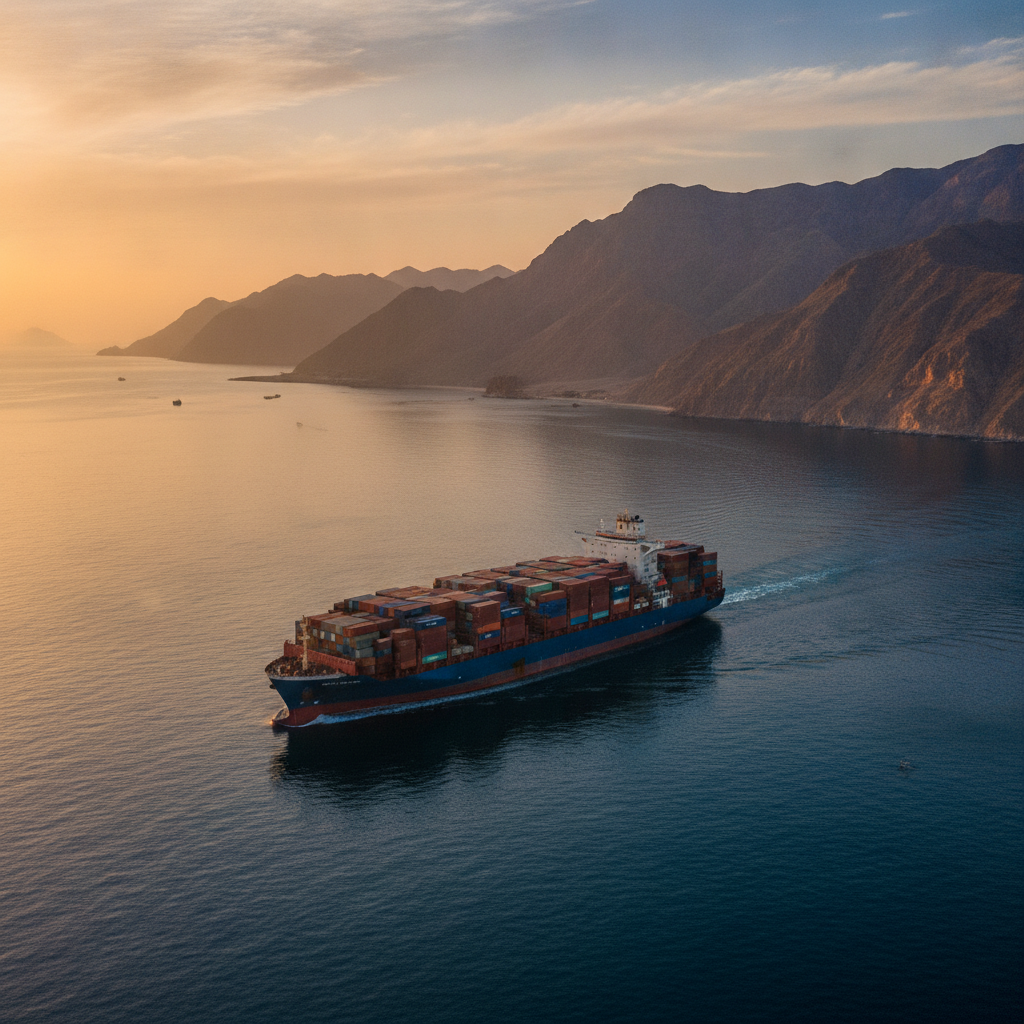
A peace deal between the United States and Iran has officially taken effect, bringing an end to the active maritime blockade and reopening a vital international shipping route. Under the terms of the newly implemented agreement, Iran has agreed to reopen the strategic Strait of Hormuz. In return, the United States will lift its maritime blockade in the region, signaling a significant easing of military tensions between the two nations.
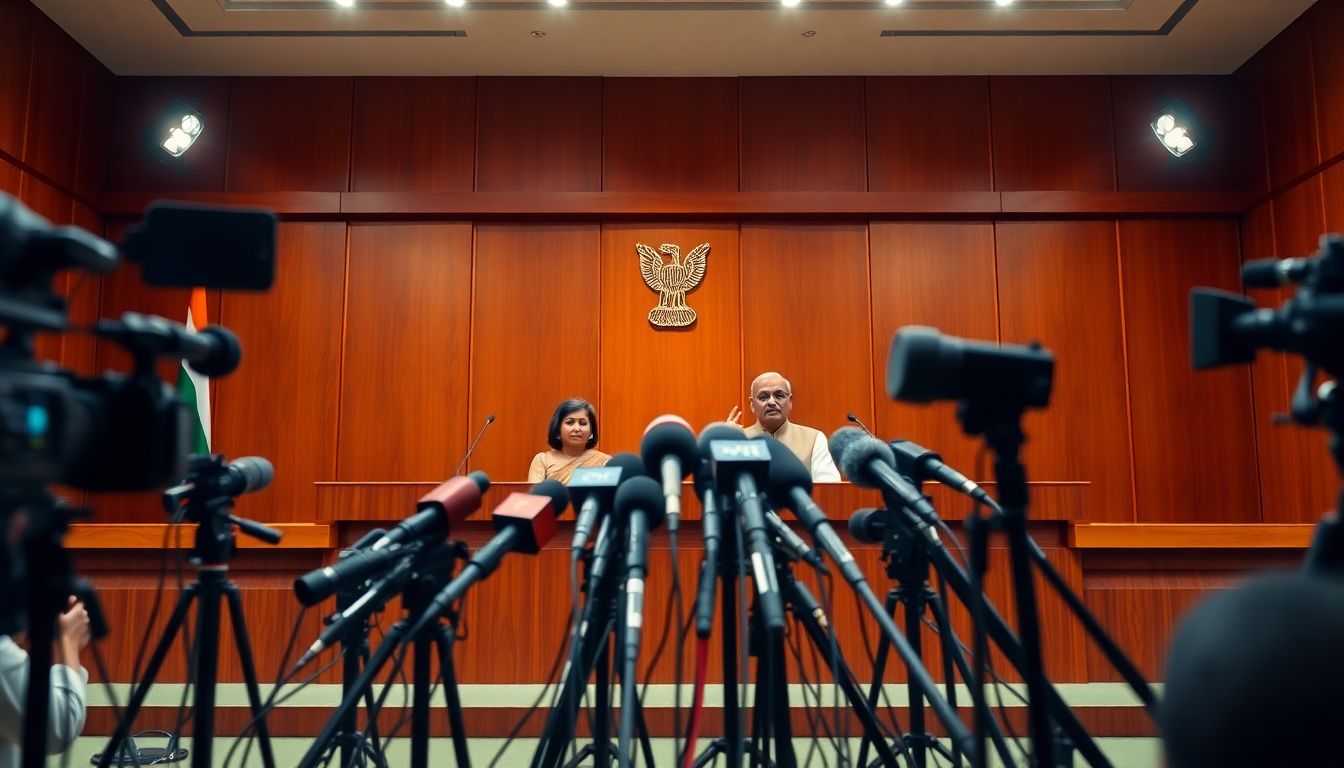
The announcement of these major diplomatic developments was made by Pakistan, which shared the details of the agreement. The peace deal represents the culmination of efforts involving United States leadership under Trump and Iranian leadership under Pezeshkian.
The implementation of the deal is expected to have immediate impacts on global trade and regional security. The Strait of Hormuz serves as one of the world's most critical maritime transit points, and its closure had severely disrupted international shipping. With Iran reopening the passage and the United States lifting its maritime blockade, commercial vessels are expected to resume transit through the area.
Beyond the immediate reopening of the shipping lanes, the agreement is anticipated to ease military tensions that had escalated in the region. The resolution of the blockade and the reopening of the strait are also expected to play a key role in the potential stabilization of global oil prices, which had fluctuated during the period of conflict.
As the terms of the peace deal take effect, international attention remains focused on the cooperative steps being taken by the United States and Iran. The announcement by Pakistan has highlighted the role of diplomatic channels in communicating these major steps toward peace, which aim to resolve the conflict and restore stability to the strategic maritime corridor.