UN suspends Strait of Hormuz evacuation after cargo ship hit by projectile near Oman
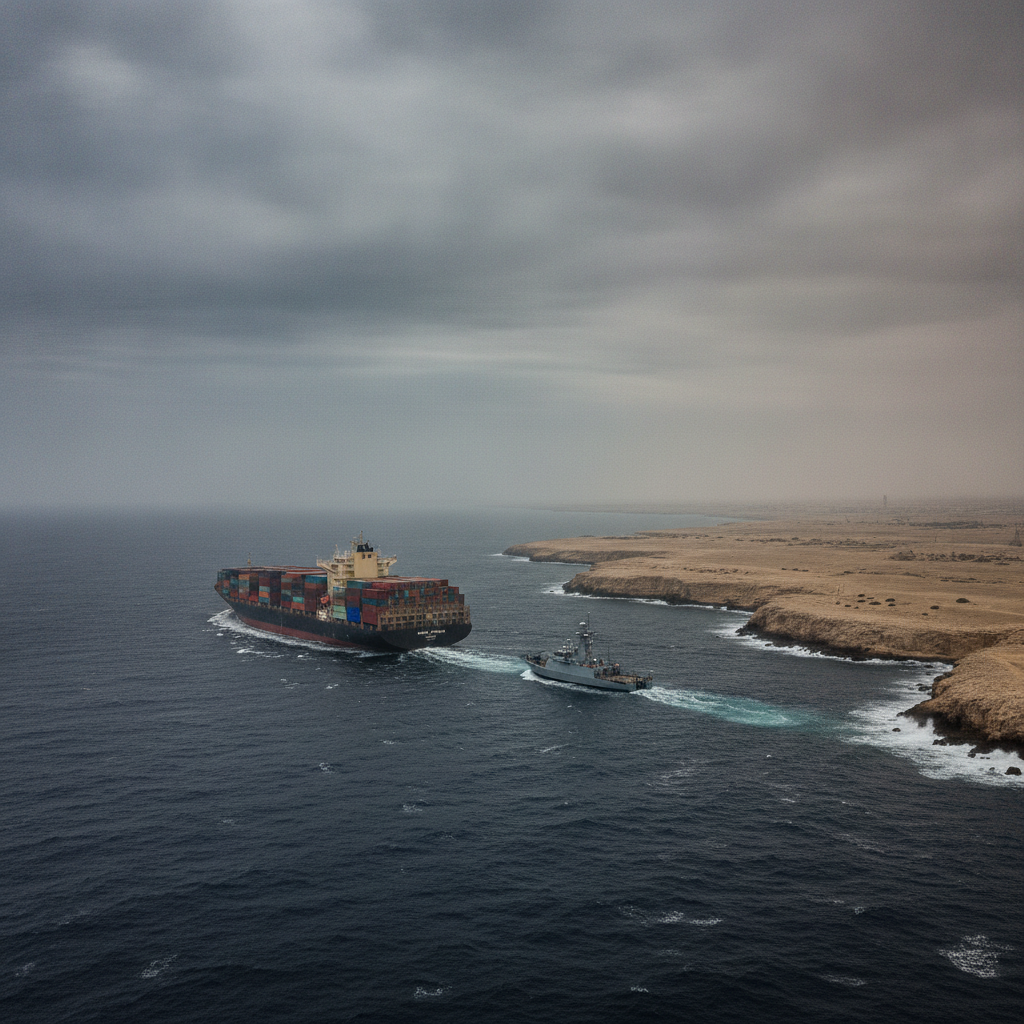
The United Nations suspended its evacuation plan in the Strait of Hormuz on June 25 following an attack on a cargo ship near the coast of Oman. The incident has triggered immediate security measures, including insurance restrictions for commercial vessels navigating the vital waterway.
According to the United Kingdom Maritime Trade Operations (UKMTO), the cargo ship was struck by a projectile in the Strait of Hormuz. In the immediate aftermath of the strike, the UN paused its evacuation scheme, which had successfully facilitated the passage of 57 ships through the strait since June 23.
Following the attack, maritime authorities announced that vessels passing through routes outside designated PGSA routes will no longer be entitled to shipping insurance. Despite the heightened risks and threats from Iran’s Islamic Revolutionary Guard Corps, some oil tankers have continued to navigate the strait using alternative routes.
The incident comes amid ongoing disputes over transit rules in the waterway. Iran recently rejected a US-backed southern corridor in the Strait of Hormuz and warned against any crossings conducted without proper authorisation.
To address the growing crisis, Iranian and Omani officials held talks to stress the need for coordination regarding traffic through the strait. Oman announced that there would be "no transit fees" in any future arrangements for the waterway, a move welcomed by Bahrain as part of efforts to ensure safe passage.
The proposal of tolls or fees on the waterway had previously met strong opposition. US Senator Marco Rubio, who recently toured Gulf nations, stated there was "zero support" among Gulf countries for any tolls or fees on the Strait of Hormuz. Rubio warned that introducing such tolls would "spread like contagion" to other international waterways.
As diplomatic and security discussions continue, the suspension of the UN evacuation scheme highlights the volatile conditions for commercial shipping in the region.