Supreme Court Stays CAG Audit of Three Private Delhi Power Discoms
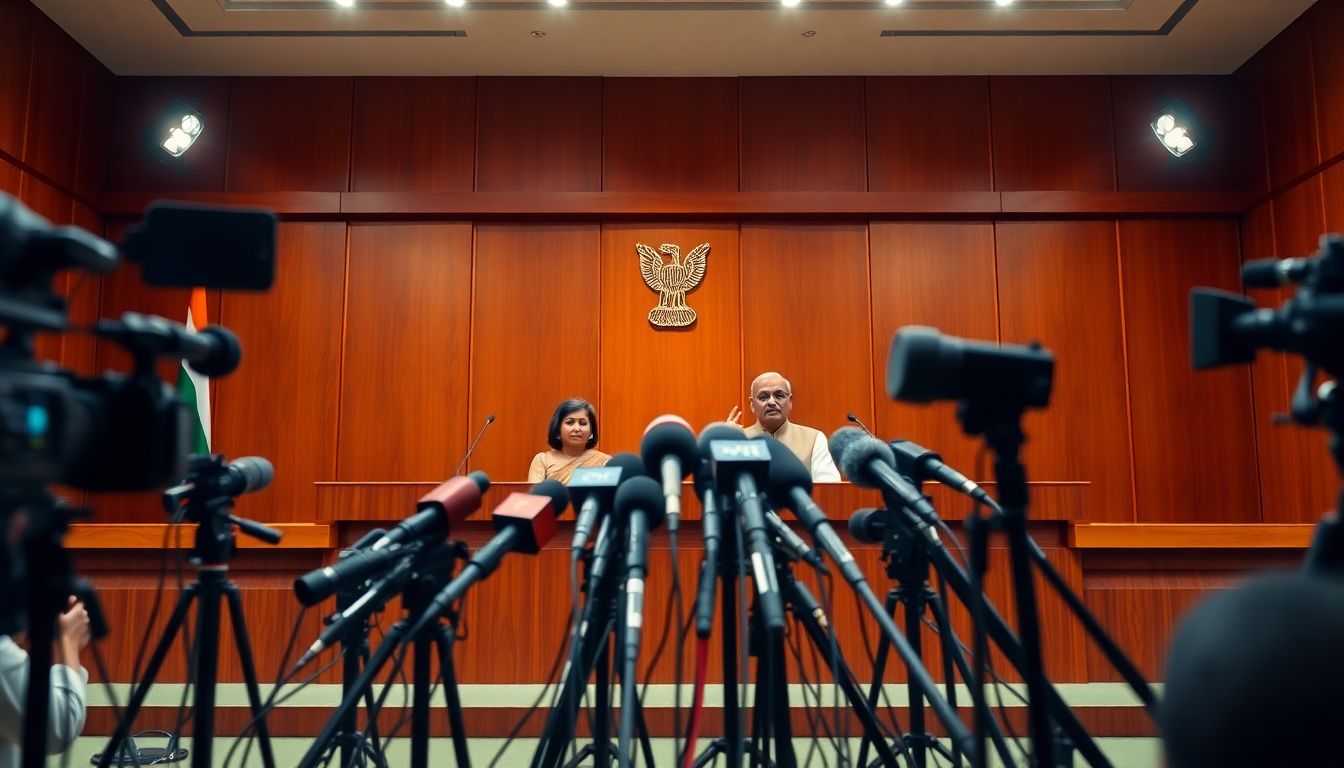
The Supreme Court of India on Friday issued an interim stay on the Comptroller and Auditor General (CAG) audit of three private power distribution companies (discoms) in Delhi and the liquidation of their regulatory assets. Delhi Power Minister Ashish Sood clarified that the court's direction is a procedural order to preserve the status quo rather than a final verdict on the merits of the case.
The court's interim stay temporarily pauses both the proposed CAG audit, which had been directed by the Delhi government, and the appointment of a chartered accountant until a final decision is reached. It also temporarily prevents the liquidation of regulatory assets, which avoids an immediate tariff hike and protects consumers from a potential financial burden of nearly ₹38,500 crore.
Reacting to the order, Sood termed the stay on the liquidation of regulatory assets "a major relief" for consumers. He explained that the decision prevents the immediate implementation of a mechanism that could have resulted in a significant financial burden through higher electricity tariffs.
"It is neither a final verdict nor a clean chit to private power distribution companies," Sood said. He added that the court had recognized the need to examine questions of transparency and accountability in Delhi’s power sector.
Sood questioned the urgency shown by the private discoms in opposing the audit, stating that the government would not allow a potential burden of nearly ₹38,500 crore to be passed on to consumers without independent financial scrutiny. He emphasized that the demand for a CAG audit is rooted in principles of accountability and good governance.
"The court has not held that the CAG audit is illegal, nor has it accepted the contentions of the discoms. It has only preserved the existing position while examining the legal framework," Sood said. He reiterated that the Delhi government remains committed to transparency, stating that every rupee collected from consumers deserves accountability and that the government's responsibility is to protect taxpayers and electricity consumers.