Max Hospital Saket Expert Links Urban Loneliness To Rising Pet Parenting Boom
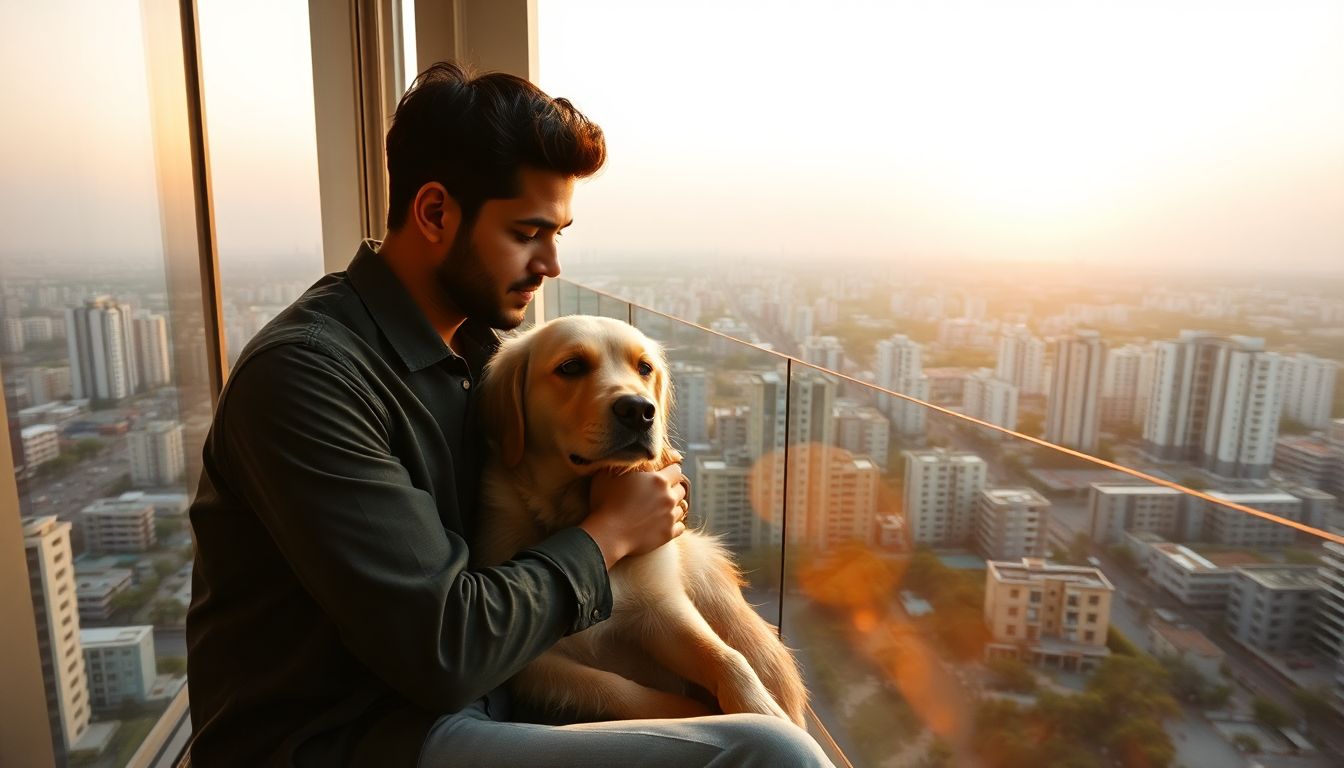
A significant shift in how urban Indians view and care for their pets has emerged as a mainstream movement, driven by rising urban loneliness and changing family structures in neighborhoods like Saket. According to mental health experts and veterinarians, pets in urban homes are increasingly being treated as family members rather than just watchdogs or companions, fueling a rapidly expanding specialized pet-care ecosystem.
In Saket, Dr. Sameer Malhotra, the principal director and head of the department of mental health and behavioural sciences at Max Hospitals, Saket and Panchsheel Park, explained that disintegrating family structures and the isolation of urban life have increased the need for loyal companions who offer unconditional support. Dr. Malhotra noted that interacting with pets can reduce stress, loneliness, and social isolation. He added that physical contact with animals can promote the release of oxytocin, which benefits mental well-being.
This emotional bond has led to a boom in specialized services, including pet-friendly cafes, physiotherapy, pet insurance, and mobile grooming. Dr. Sarungbam Yaiphabi Devi, a veterinarian with 25 years of experience, stated that she has witnessed a marked change in pet ownership over the years. According to Dr. Devi, pets were previously part of the household but lacked the intense emotional bonds seen today, when owners often live in nuclear families or single-person households rather than joint families.
Local pet owners are also spending more on their pets' well-being. Kartik Uniyal, a 27-year-old who lives alone with his French bulldog, shared that his daily routine revolves entirely around his dog's needs, including planning vacations around pet-friendly accommodations. Dr. Devi agreed that people are now willing to spend substantial amounts on their pets, sometimes even more than they spend on themselves, treating them much like children.
The change is also evident across generations. Hemlata, a 72-year-old resident, recalled that dogs in past decades stayed outdoors and ate family food, with rare veterinary visits. Today, her labrador receives regular health check-ups, specialized food, and scheduled grooming.
Ajeet, who works with a mobile pet grooming service operating across Delhi-NCR, reported a steady growth in demand for doorstep grooming services, with customers now requesting specialized coat care, de-shedding therapies, and tick prevention.