Delhi Unveils Draft Startup Policy 2026 With Rs 407.5 Crore Investment Plan
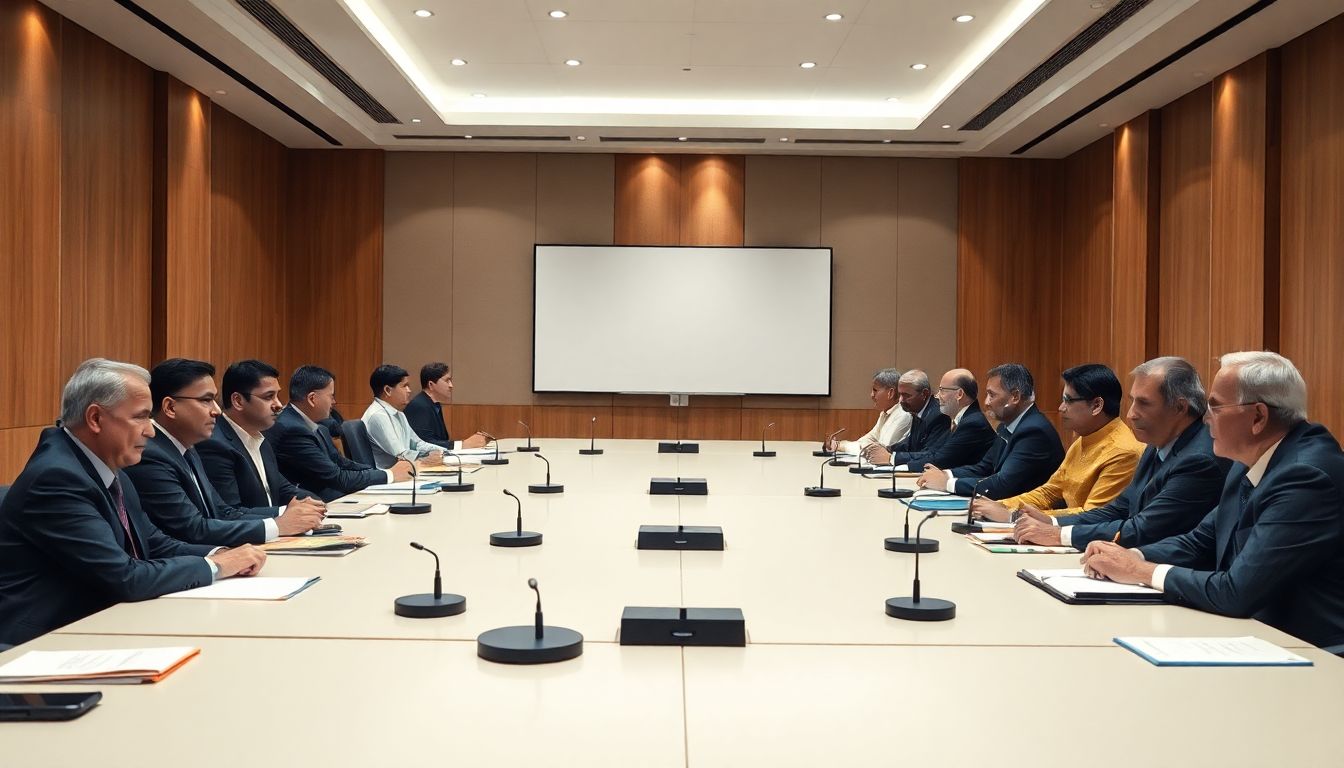
The Delhi government unveiled the draft Delhi Startup & Incubation Policy, 2026, on Sunday during a roundtable consultation in New Delhi with startup founders and investors. The meeting, chaired by Chief Minister Rekha Gupta alongside Education Minister Ashish Sood, sought feedback from industry stakeholders to refine the framework ahead of its official launch.
At the centre of the proposed policy is an investment of Rs 407.5 crore over five years, accompanied by operational support delivered through 32 state-funded incubation centres. Under the draft guidelines, founders and company builders must constitute at least 85% of the panels tasked with selecting incubators and startups for government backing.
Education Minister Ashish Sood said the initiative is designed to support more than 10,000 startups over its tenure and generate employment opportunities for over 4 lakh young people. He noted that detailed deliberations with entrepreneurs aimed to ensure the policy delivers measurable, tangible outcomes within clear implementation timelines.
The policy also proposes a Fund of Funds model, using public capital to mobilise larger pools of private investment rather than replacing them. In addition, the draft outlines plans for the government to serve as an early customer for emerging enterprises, while establishing a single-window clearance mechanism so founders do not have to navigate multiple municipal and state departments.
Industry participants at the consultation pushed for startup-friendly workspaces, faster statutory clearances, dedicated funding for women founders, and AI-ready public infrastructure. Suggestions were also raised to set up a permanent regulatory help desk to address compliance issues, alongside calls for stronger university linkages and entrepreneurship programmes in schools.
Chief Minister Rekha Gupta said the government will collaborate with founders, investors, educational institutions, and youth to maintain an outcome-driven approach. The administration plans to focus on sectors including artificial intelligence, fintech, agri-tech, defence, deep tech, govtech, edtech, and medtech, with all stakeholder feedback now being consolidated into the final policy document.