Delhi to launch AI-backed PUCC 3.0 to track vehicles at pollution test centres
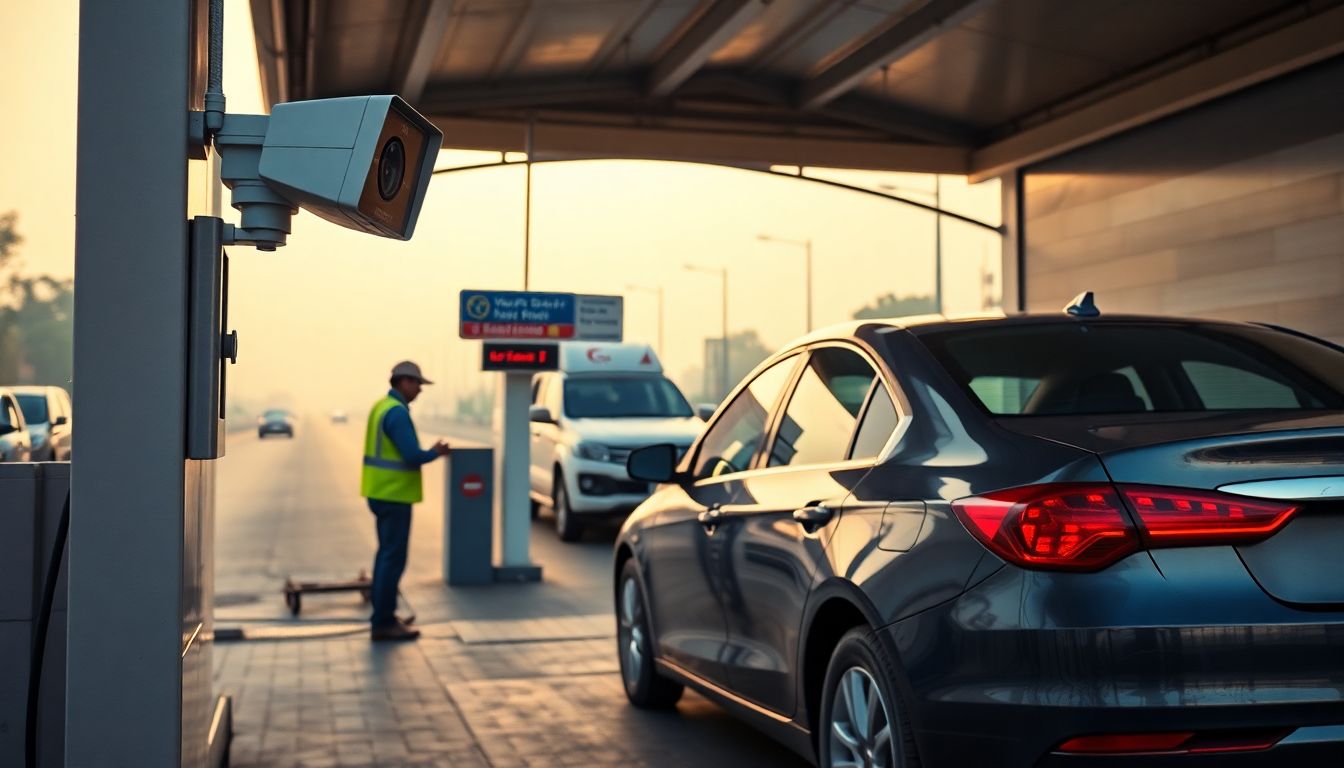
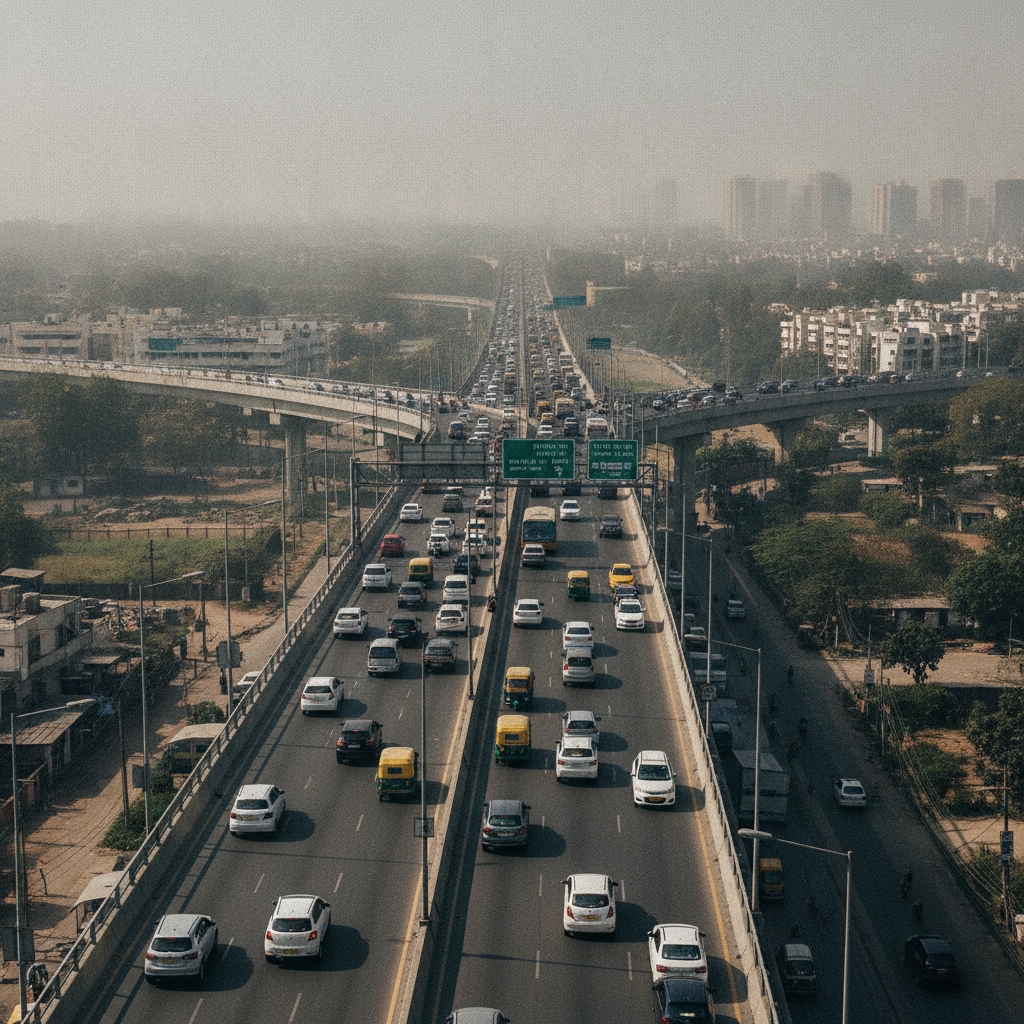
The central government is set to roll out a stricter Pollution Under Control Certificate (PUCC) 3.0 regime across Delhi and the National Capital Region (NCR) within the next couple of months. Expected to launch before the onset of winter, the next-generation system will use artificial intelligence to validate the physical presence of vehicles at testing centres to combat severe seasonal air pollution.
Speaking at an event, Mahmood Ahmed, an Additional Secretary in the Union Road Transport Ministry, announced that the government is hopeful of implementing the new system soon. The Centre is currently working to issue a notification that will elevate the pollution control regime to a more stringent stage.
The upgrade comes as officials flag a major loophole in the current system, where many vehicle owners manage to obtain a certificate without actually taking their vehicles to a testing facility. To address this gap, the upcoming PUCC 3.0 will require vehicles to be geotagged, ensuring they are physically located in or around the testing centre during the evaluation.
The new AI-enabled system will also monitor live testing to ensure that the emission-measuring probe is correctly placed in the vehicle to get accurate readings. Once the test is completed, the system will enable the data to be uploaded directly to the central database.
Additionally, the system will automatically capture the registration number of the vehicle. It will then run an automated validation of the emission parameters and automatically reject any suspicious or invalid test records. To prevent tampering, all data transmitted through the system will be encrypted end-to-end.
The new regime will cover a massive network of testing facilities. Currently, Delhi has about 900 PUC test centres, while there are around 4,000 centres operating across the entire NCR. The government hopes this technology-driven transition will significantly curb vehicle emissions and help manage Delhi's winter pollution crisis.