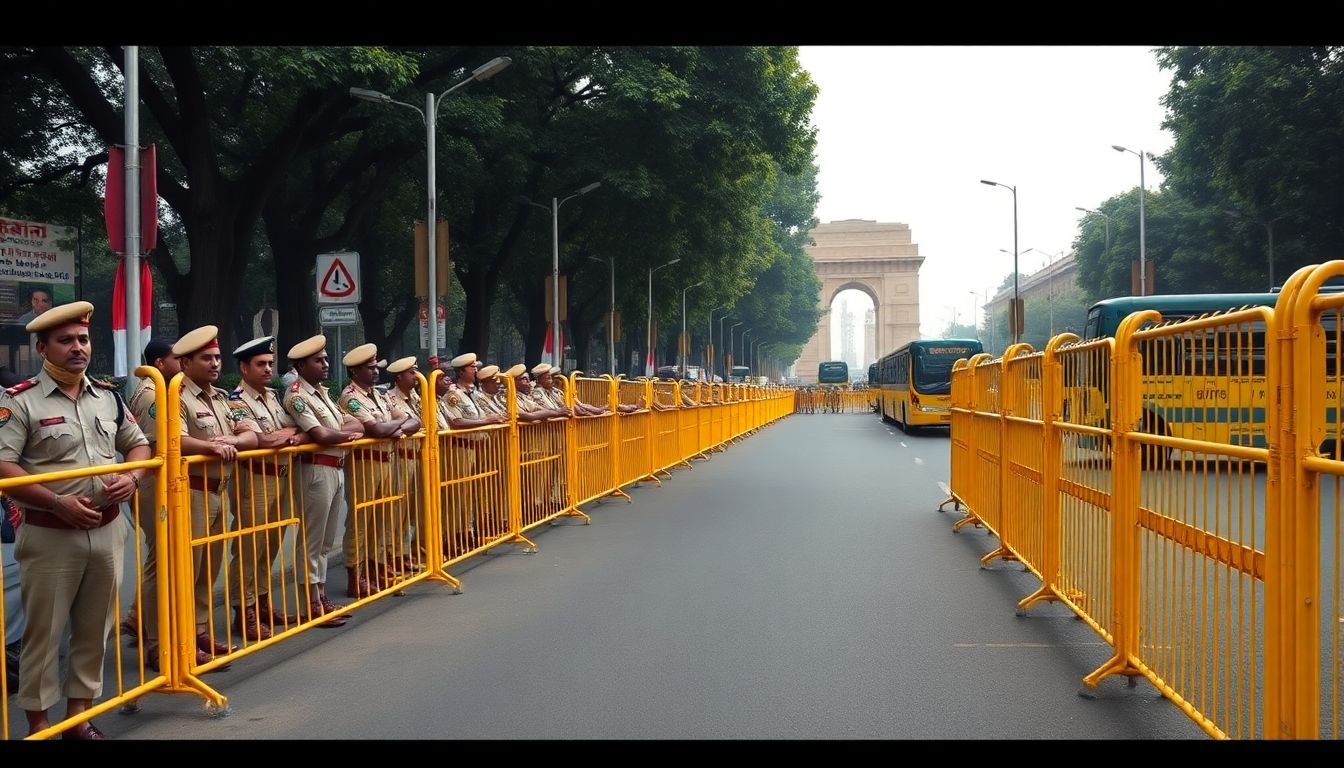
Delhi Rolls Out 56 Women-Only Electric Buses Connecting Connaught Place and DU
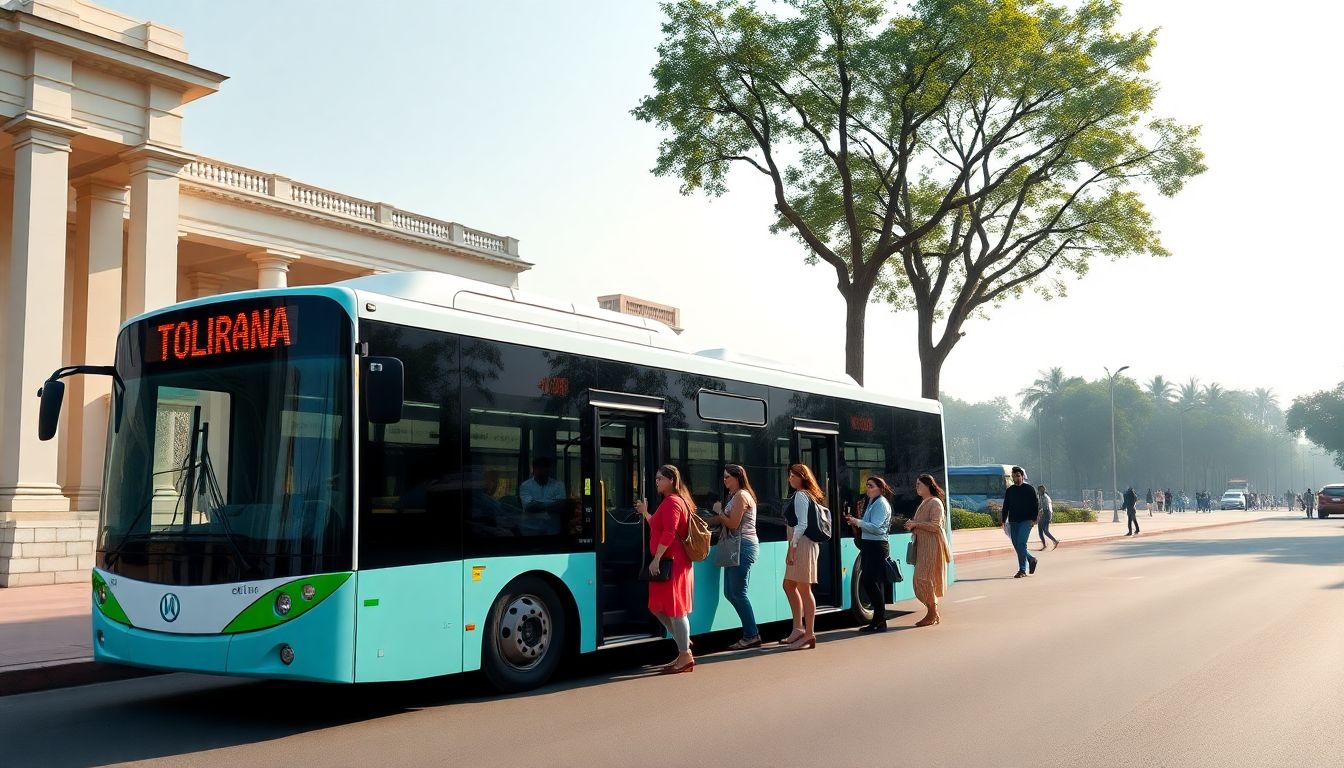
The Delhi government will introduce 56 dedicated women-only electric bus services on Wednesday, connecting major commercial and institutional hubs including Connaught Place with residential neighbourhoods and university campuses across the capital.
Chief Minister Rekha Gupta will flag off the expanded services, which include 30 Ladies Special trips operating across 15 high-demand routes and 26 University Ladies Special (U-SPL) trips across 13 routes. The network is designed to link residential areas directly to major hubs such as Connaught Place, Nehru Place, AIIMS, South Extension, ITO, and the Delhi Secretariat.
The 26 U-SPL routes will specifically cater to college students, connecting major institutions including Hindu College, Ramjas College, Daulat Ram College, Shri Ram College of Commerce, and Lady Shri Ram College. Officials stated that distinctive stickers will be placed on the vehicles to help commuters easily identify the dedicated women-only buses.
Transport Minister Pankaj Kumar Singh said the dedicated services have been planned around the daily travel requirements of working women and students, particularly to provide safer and smoother transit during peak commuting hours.
The women-only fleet forms part of a broader public transport expansion, with Chief Minister Gupta flagging off a total of 200 new electric buses, comprising 112 Delhi Electric Vehicle Interconnector (DEVI) buses and 88 12-metre buses. The rollout takes the total number of electric buses operating in Delhi to 4,938.
The low-floor, air-conditioned electric buses are equipped with safety and accessibility features, including CCTV cameras, panic buttons, and dedicated accessibility provisions for persons with disabilities.
With this induction, Delhi’s total operational bus fleet will rise to 6,800 buses, comprising 4,938 electric buses and 1,750 CNG buses. According to the Transport Minister, the government aims to further expand the overall fleet to nearly 14,000 buses by the 2028-29 financial year as part of its transition towards cleaner and more reliable mobility.