Delhi High Court questions plea to force Centre to raise civil judge jurisdiction
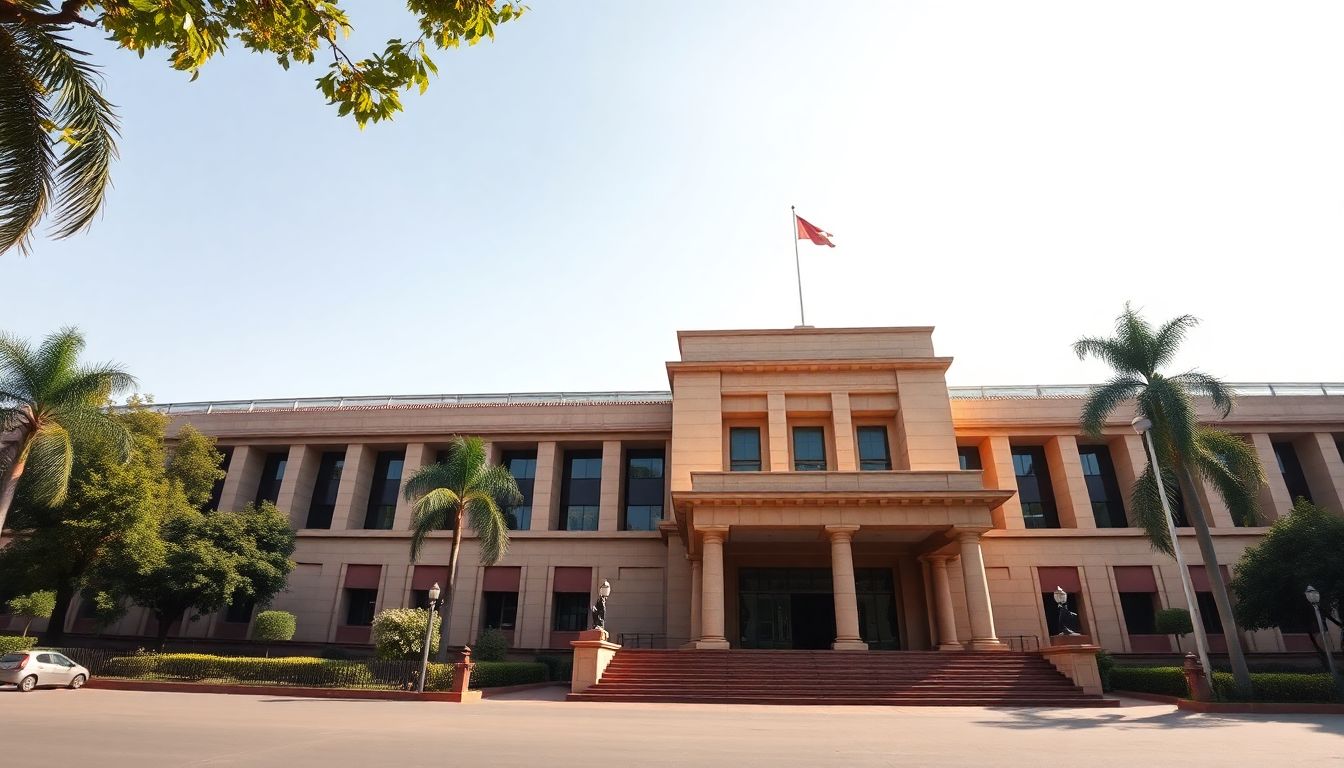
On Wednesday, the Delhi High Court in New Delhi questioned the maintainability of a petition seeking to direct the Centre to implement a 2022 recommendation to raise the pecuniary jurisdiction of Delhi district court civil judges from ₹3 lakh to ₹20 lakh.
A bench of Chief Justice DK Upadhyaya and Justice Tejas Karia observed that while the power to recommend an enhancement in pecuniary jurisdiction lies exclusively with the high court, it cannot direct Parliament to implement or give effect to such a recommendation.
Addressing the petitioner, lawyer Amit Sahani, the bench questioned how the petition could be entertained when it asks the court to issue a direction to the legislature. The bench stated that making a recommendation is an administrative duty that lies in the court's domain, but it cannot direct the legislative process.
Sahani urged the court to direct the Centre and the Delhi government to file an updated status report on the proposal. He submitted that the high court had recommended the increase during a full court meeting in February 2022.
According to Sahani, the Centre filed an affidavit on February 17, 2025, indicating the proposal was under active consideration. However, Sahani pointed out that the matter had not been listed for hearing since February 19, 2025, and argued that over four years had elapsed since the recommendation was made.
The court's questioning occurred amid ongoing protests by the Delhi High Court Bar Association (DHCBA). The DHCBA has been abstaining from judicial work over the high court's support for a separate proposal to enhance the pecuniary jurisdiction of Delhi’s district courts from ₹2 crore to ₹10 crore.
The DHCBA's protest traces back to a May 23, 2025 letter from the Coordination Committee of the All District Courts Bar Association to the Union law ministry, which sought an increase in jurisdiction to ₹20 crore. Following this, the high court decided during a full court meeting on September 2, 2025, to set up a committee to examine the issue.
In May, the DHCBA challenged the decision to constitute the committee and sought a stay on its report. However, the high court dismissed the stay application in July, noting that the committee's recommendations would not amend the law or alter existing court jurisdictions.