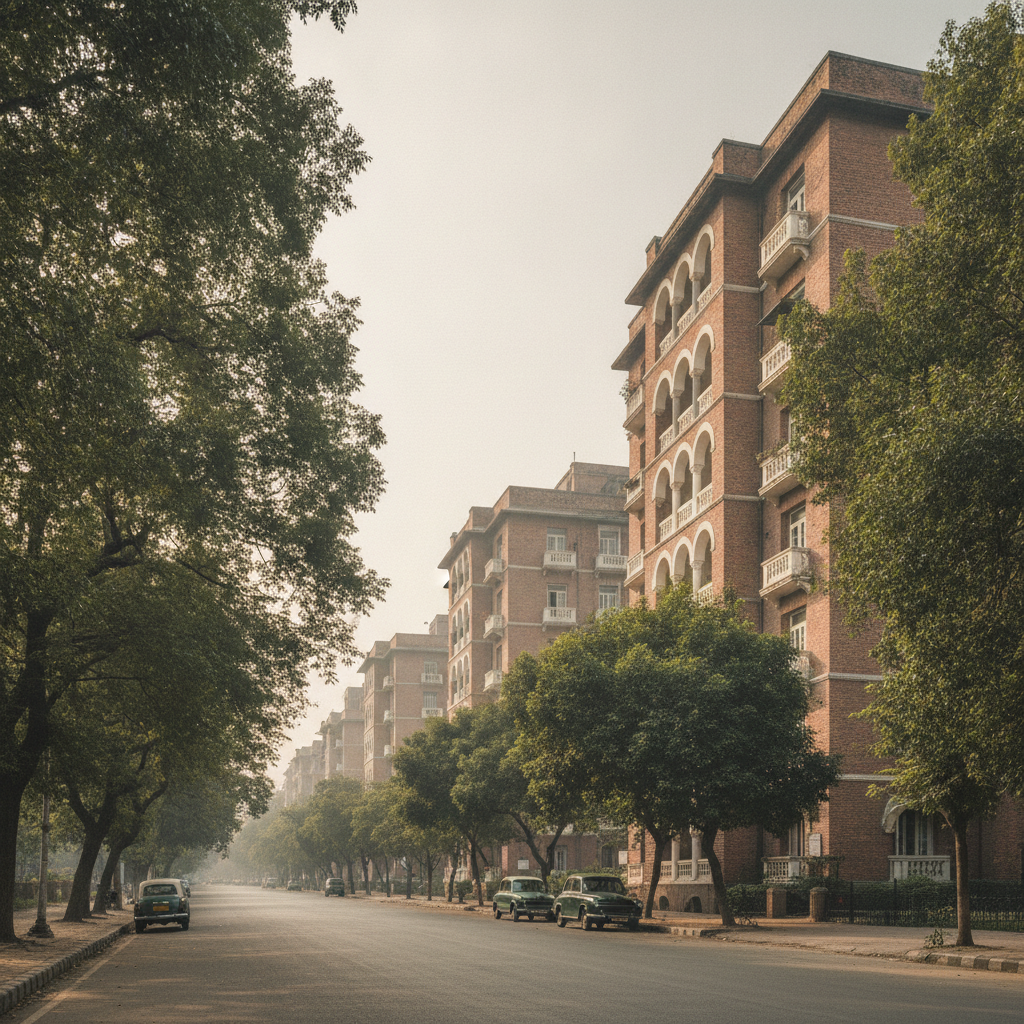
Delhi High Court Declines Immediate Stay on Sujan Singh Park Eviction Notice
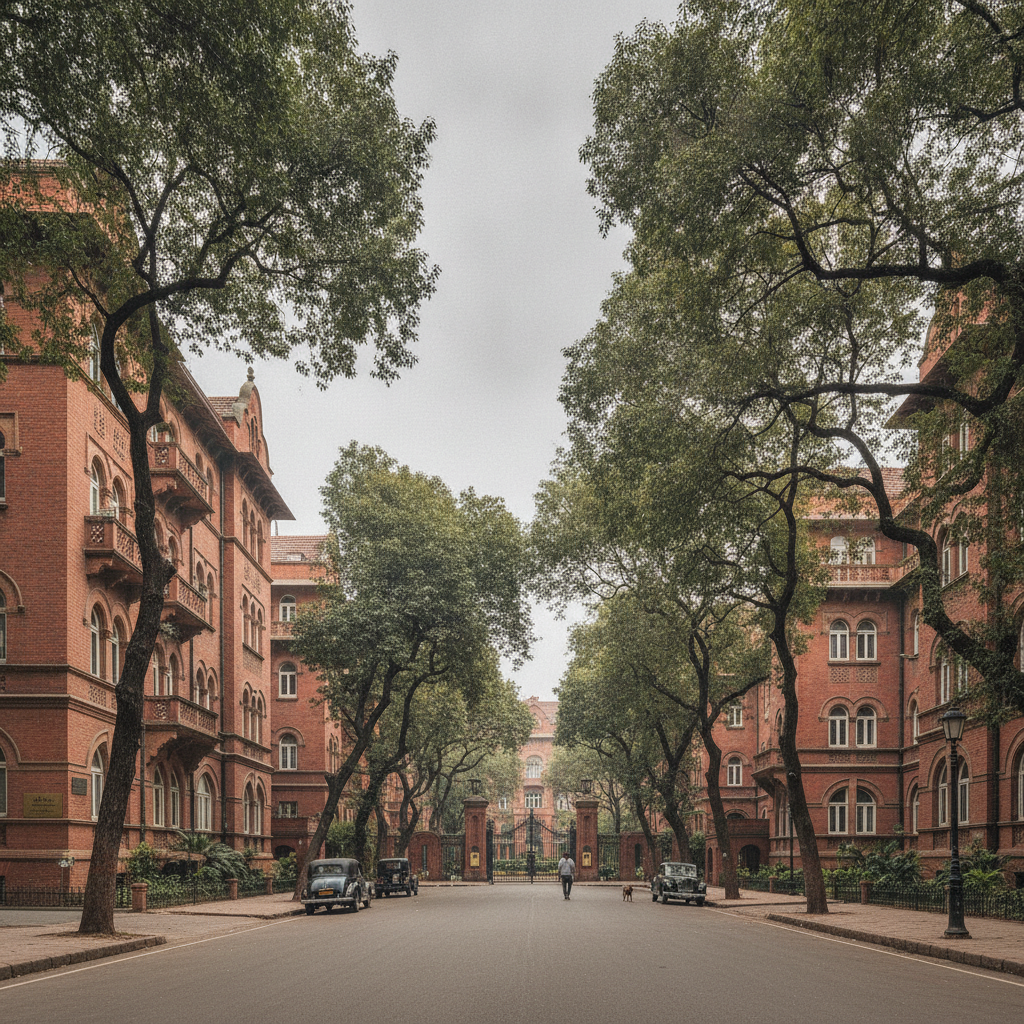
The Delhi High Court has declined to grant immediate interim relief to Sir Sobha Singh and Sons, the real estate firm running the Sujan Singh Park complex, which challenged a government eviction notice and a district court ruling over an alleged breach of lease. The court issued notices to the respondents on Wednesday and scheduled the next hearing for July 23, 2026, continuing a legal battle that has lasted nearly seven decades.
The dispute centers on the northern block of the Sujan Singh Park complex, which includes the Ambassador hotel. The government issued an eviction notice on June 11, 2026, under the Public Premises (Eviction of Unauthorised Occupants) Act, 1971, seeking possession of the land after a district court ruled that the property was in breach of lease conditions.
In its petition to the High Court, Sir Sobha Singh and Sons questioned the timeline of the eviction notice. The company pointed out that the district court's operative order was pronounced on June 9, 2026, but the detailed reasons were only uploaded on June 12. Despite this, the government's June 11 eviction notice had already reproduced the judgment's reasoning.
During the hearing, Justice Tejas Karia recorded a statement from the Centre’s standing counsel, Ashish Dixit. Dixit assured the court that the proceedings under the Public Premises Act would be conducted without being influenced by the district court's judgment.
Justice Karia ruled that the Centre is bound by this statement and decided that no further interim relief staying the district court's judgment was necessary at this stage, noting there was no immediate urgency.
The legal conflict over the property dates back to 1960. According to the real estate firm, the northern block of Sujan Singh Park was constructed under an Agreement to Lease signed on October 8, 1945. The agreement required the firm to build residential blocks, with the understanding that the government would execute a perpetual lease once the buildings were completed.
However, the government alleged multiple breaches of the lease terms in 1960, citing the misuse of the ground floor of one block as a laundry and motor service station, the use of 31 garages as petty shops, and the misuse of open spaces by nurseries. The government sought to terminate the agreement, prompting the firm to seek an injunction. A civil court ordered status quo, restraining the government from re-entry, and the case remained unresolved for decades.